19–20 May 2022
Munich Urban Colab
The investment landscape is changing. The flow of capital is being diverted from fossil fuels to future investments. Investors are increasing the proportion of ESG-compliant assets in their portfolios. What does this mean for the real estate industry – for the valuation of projects and portfolios? How will this affect future building activity? Land sealing reduction, redensification, preservation of the building fabric – what needs to change in urban planning? What will drive change – your own beliefs or Fridays for Future? Given the current situation in Europe, what future scenarios are major project developers preparing for? Sneak Preview: How do you develop and build in a country without a functioning banking system – and without public planning?
Sneak Preview: How do you develop and build in a country without a functioning banking system – and without public planning?
Paul Bauwens-Adenauer, Bauwens, Köln; Eva Herr, Stadt Köln; Elisabeth Merk, LH München; Alexander Möll, Hines, Berlin; Tobias Sauerbier, SIGNA, München; Hala Younes, Beirut
Moderation: Nadin Heinich, plan A
Dense, mixed cities are one of the basic prerequisites for achieving climate neutrality by the middle of this century and living in harmony with the planet’s re sources in the future. We know that our consumption is much too high. Our global ecological footprint exceeds the earth’s biocapacity by 170 percent of our planet’s capacity – in Germany, it is already 270 percent. At the same time, the world’s most densely populated cities today are in China, India, and the Philippines – emerging countries where most people are still denied our Western standard of living, yet where emissions are rising steadily.
What does that mean for building in Germany – and internationally? How can we find new answers to this question together for the future? Who is a role model for whom? How much do we need to live a good life?
Where can we look to find ideas for our future? Where is the European city a role model – and where do new paths need to be taken? How are banks in this country managing the conversion of the entire economy, including construction? To what extent is the war in Ukraine accelerating this structural change?
With international perspectives from Lagos, Nigeria; Guangzhou, China; Beirut, Lebanon, among others – plus impressions from Kharkiv, Lviv, Mariupol, and Kyiv and possibilities for future reconstruction.
Shumon Basar, author and curator, Dubai; Gero Bergmann, BayernLB, Munich; Oleg Drozdov, Kharkiv School of Architecture, Kharkiv; Jan Grarup, war photographer, Copenhagen; Tinatin Gurgenidze, curator, Tbilisi/Berlin; Eva Herr, Head of Planning Directorate, Cologne; Charlie Koolhaas, photographer, Rotterdam; Christian Meister, Hines, Munich; Elisabeth Merk, Urban Development Councilor, Munich; Philipp Rode, London School of Economics, London; Peter Cachola Schmal, Deutsches Architekturmuseum, Frankfurt; Hala Younes, Beirut
Moderation: Jan Friedrich, Bauwelt; Nadin Heinich, plan A; Christiane Thalgott, former Munich Planning Commissioner (ret.); Mathieu Wellner
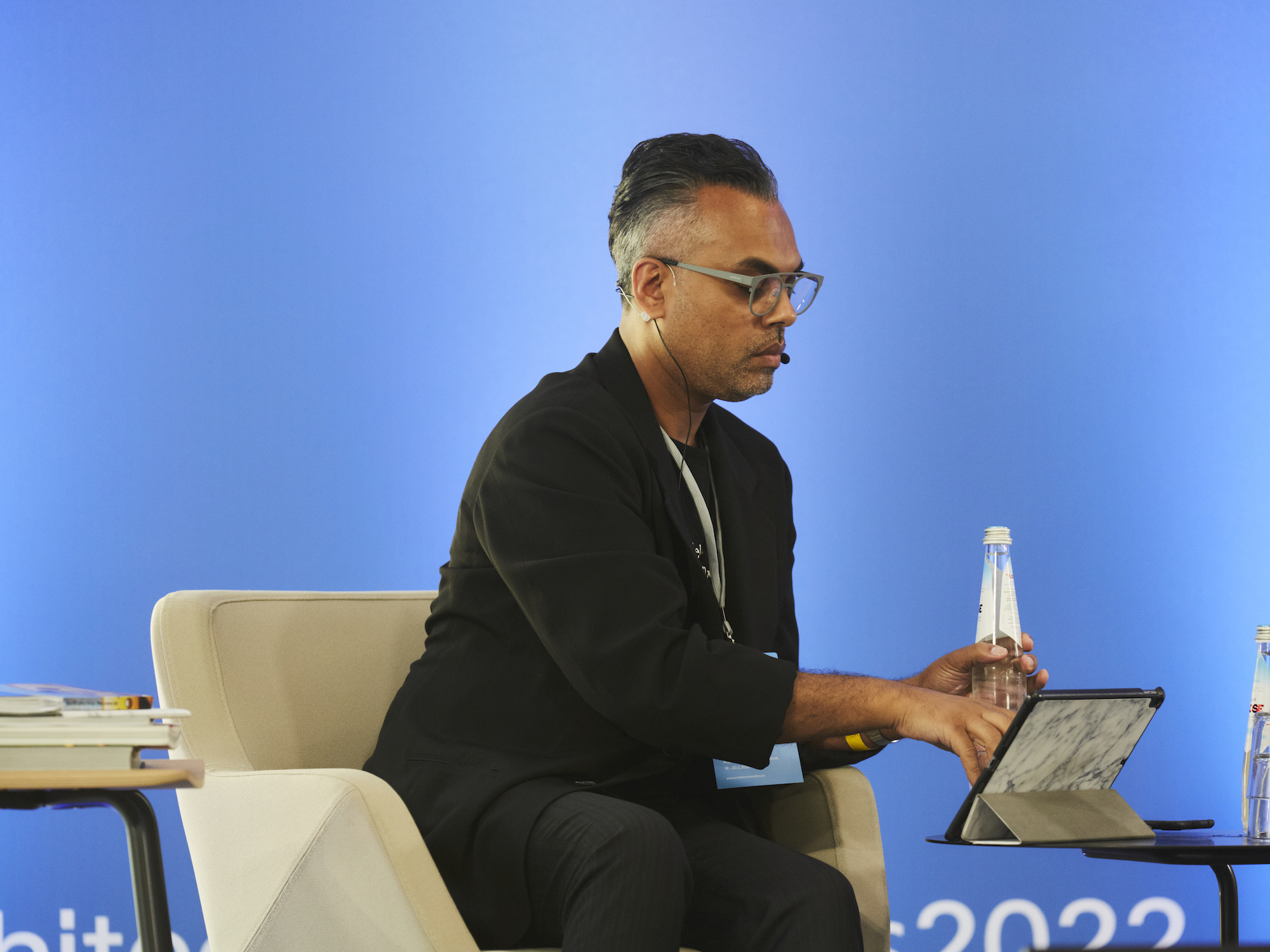
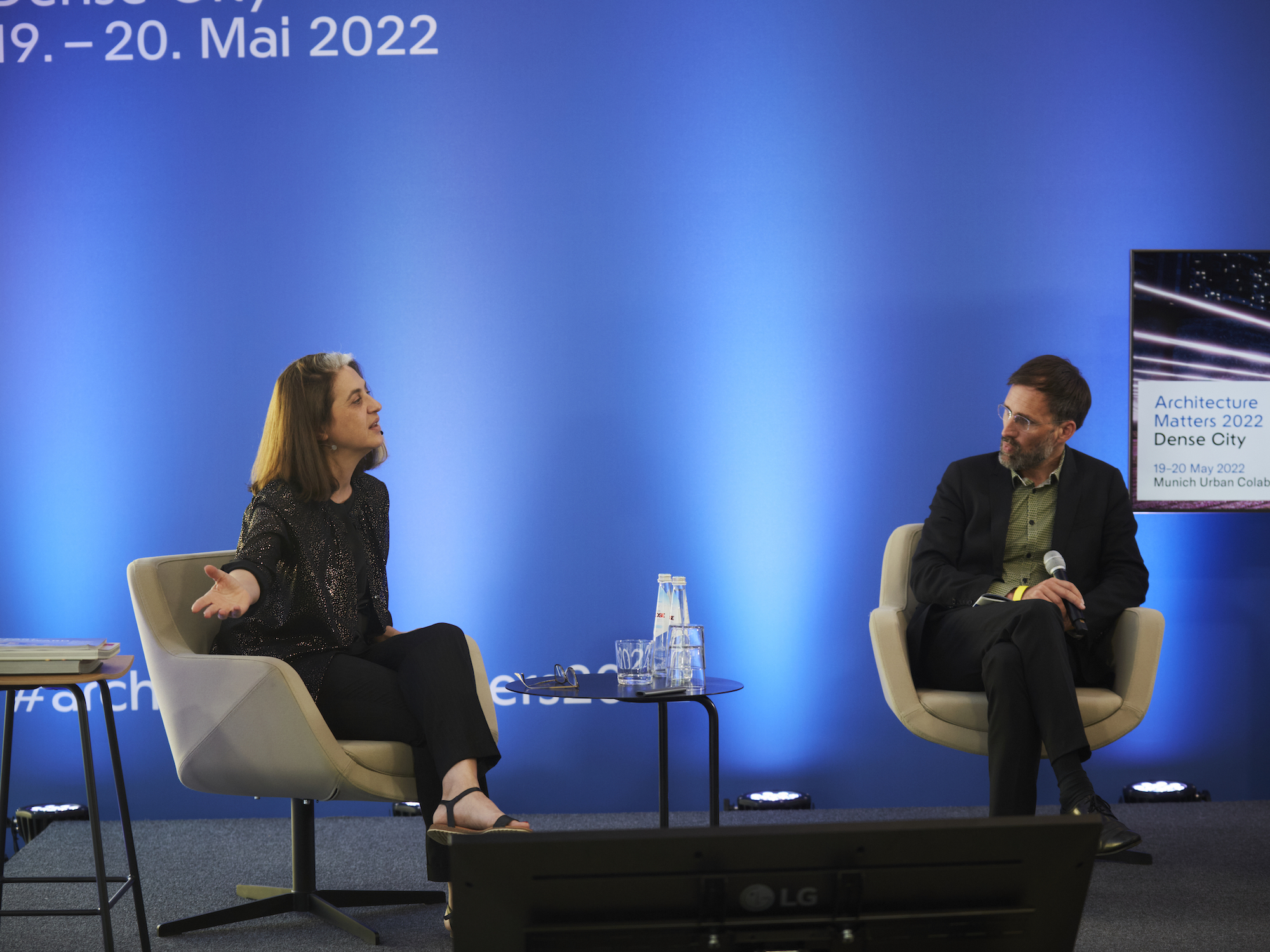
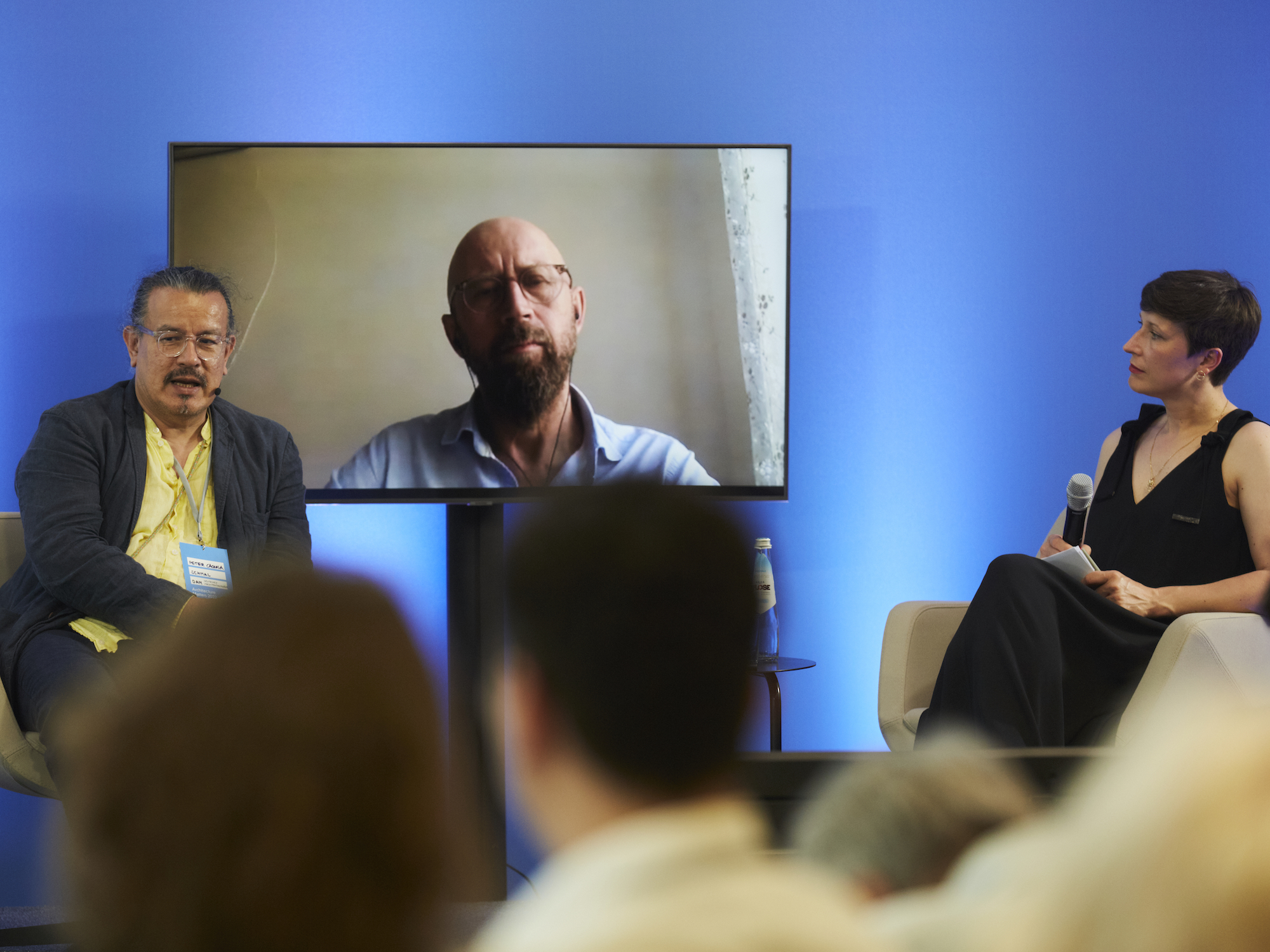
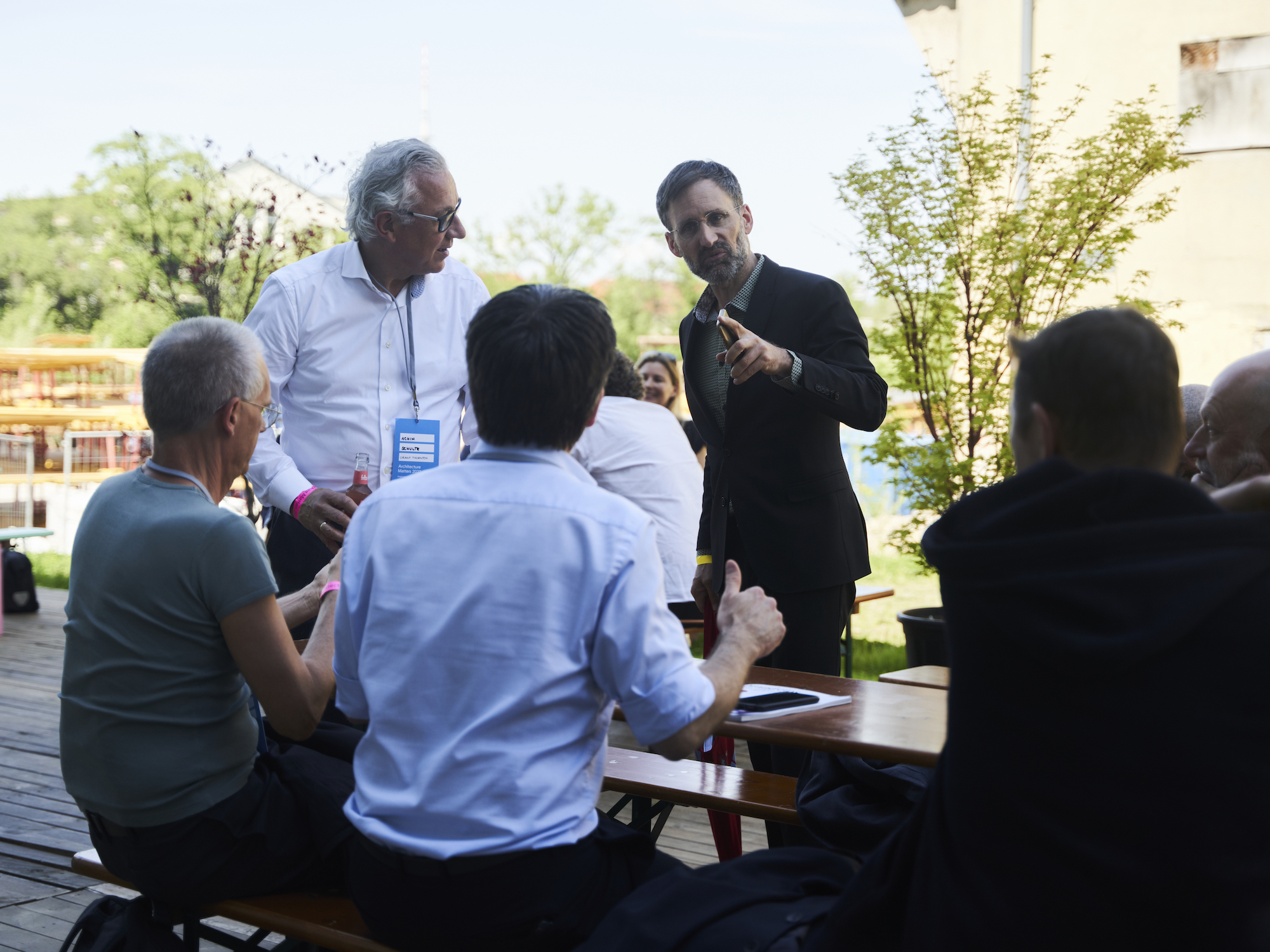
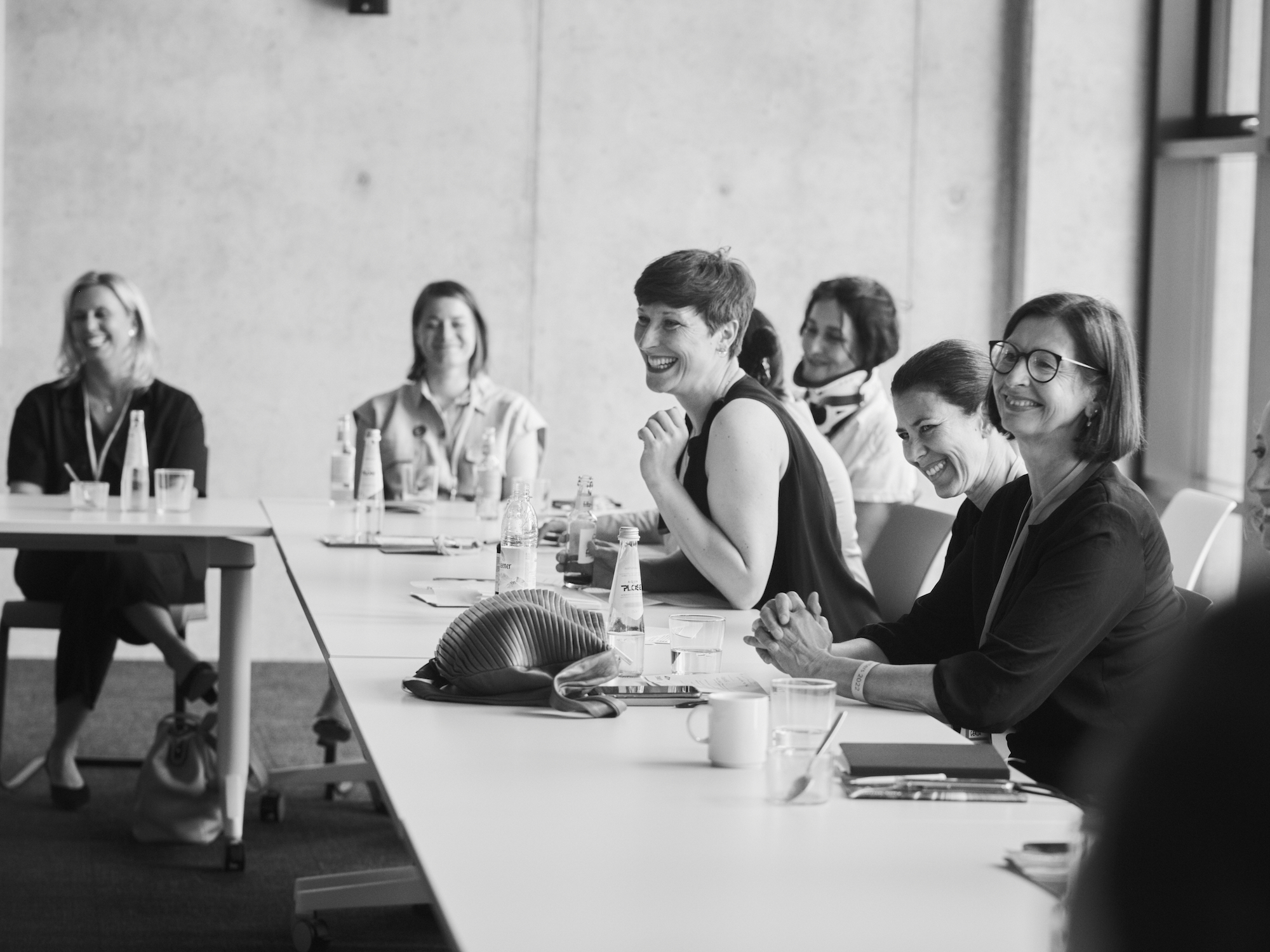
Female Focus is a new format at Architecture Matters 2022 – a networking event specifically for women in architecture and real estate. Only 8% of architectural firms are run by women; only 1 in 10 top positions is held by a woman in the real estate industry. At Female Focus, young, ambitious women meet inspiring, established women – where architects meet project developers and managing directors of major real estate and housing companies. We value the combination of creativity and business to initiate new projects and new forms of collaboration.
Moderation: Nadin Heinich, plan A, Nadine Vicentini, bayern design

Concept workshop for an interdisciplinary campus, Werksviertel district, Munich
The MediaWorksMunich workshop continues our successful collaboration with Hines from last year. This year’s concept workshop is about placemaking and programming. The subject is a building ensemble in the east of Munich, an approx. 42,750 m2 property in the Werksviertel. It comprises a perimeter block development with three courtyards that play an essential role in the project, plus a separate parking garage with 825 spaces – the total gross floor area is approx. 96,400 m2. Some of the buildings are currently vacant. The task is to rethink the potential of this “sleeping giant” in terms of architecture and use. The ensemble will be developed into an interdisciplinary campus that generates fresh ideas for the future working world, post-Covid. This also involves redesigning its urban integration into the Werksviertel, one of Munich’s most exciting districts.
Founded in 1957, Hines is a global real estate investment firm with offices in 255 cities in 27 countries. Its real estate portfolio is currently worth approximately 83,6 billion euros. Active in Germany since 1991, Hines has acquired or developed 47 properties with a total area of over 1,8 million m2 for Hines or on behalf of external clients.
During the workshop, small teams will develop concept studies and present them to a jury. Unbiased feedback and open and honest exchange are important to us. The winner will be involved in further planning for this area. This workshop is ideal for young, ambitious offices that want to expand their field of activity.
Moderation: Christian Meister, Hines; Nadin Heinich, plan A
Jury: Lars Krückeberg, GRAFT; Christiane Thalgott, Urban Development Councilor City of Munich (ret.)
Round table for architects, developers & the city of Munich
The Round Table “Making Munich” makes its premiere in 2022 and brings together young and ambitious architects with inspiring, established architects and experienced developers with clear vision and fresh ideas. Participants also include the City of Munich represented by Elisabeth Merk, Michael Hardi and Thomas Rehn. Creativity and business unite to answer questions like: How do you want to shape Munich’s future? Which issues and locations do you find important? How does Munich have to change in order to compete on an international level, now and in the future? How can the city better integrate the young scene (e.g., through competitions)? How can new forms of collaboration emerge? Our focus is on fostering open, direct, and lively dialogue.
i. a. with: Elisabeth Merk, Urban Development Councilor, Munich; Michael Hardi, Director of Urban Planning City of Munich; Thomas Rehn, Chief Building Director City of Munich
Moderation: Nadin Heinich, Mathieu Wellner
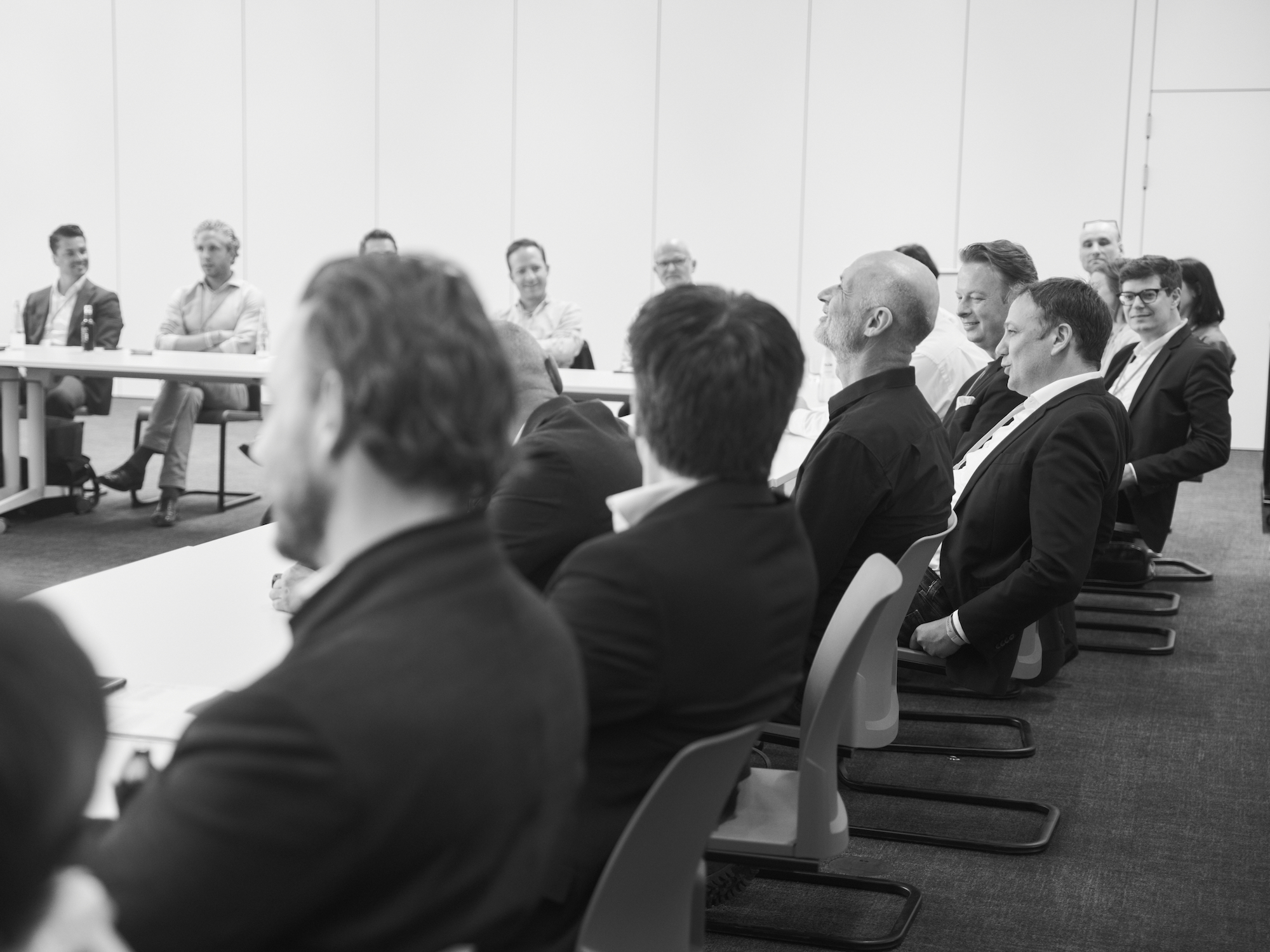
A central focus of Architecture Matters is stronger networking between the architecture and real estate industries – fostering dialogue at eye level. Our speed dating sessions bring ambitious (young) architects and potential clients into direct contact. Fresh, contemporary ideas shake up conventional planning approaches to reveal new possibilities.