Anupama Kundoo on the city where she grew up—a place she variously calls Mumbai, Bombay, or Bambay—on housing that has become a commodity, and on her hope that one day the city will move forward through bold, large-scale urban projects.
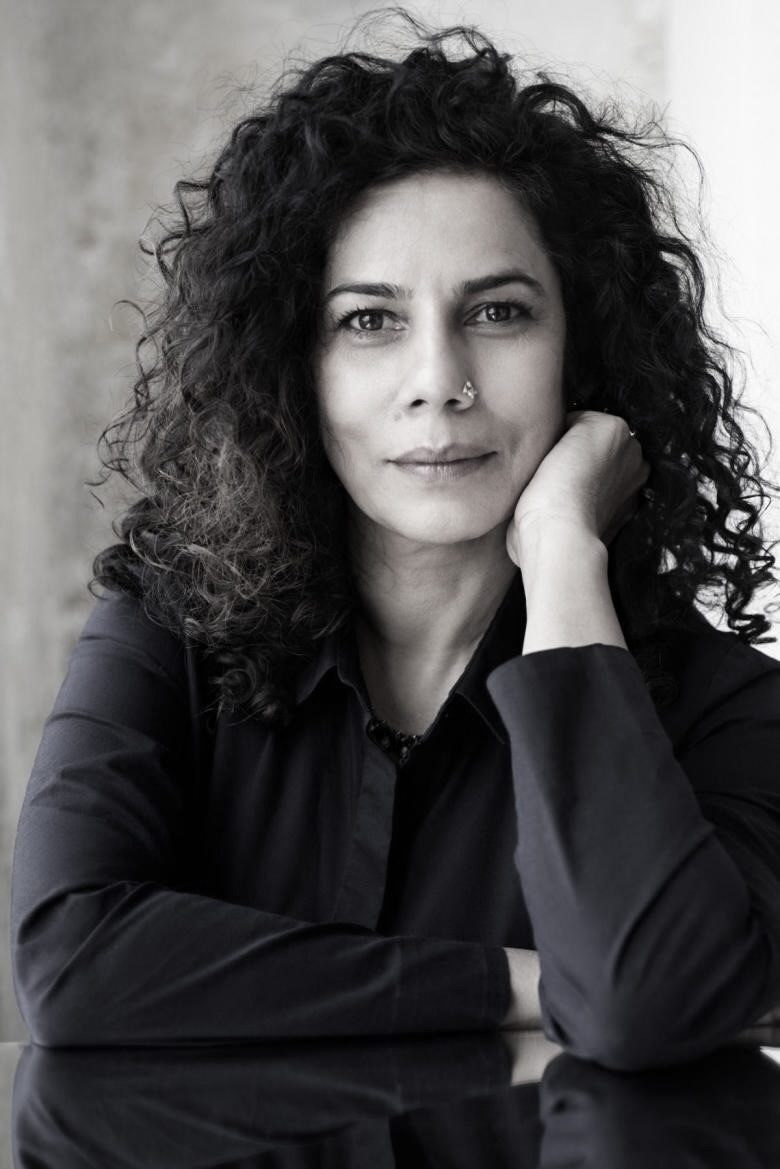
Nadin Heinich: Do you say Mumbai or Bombay?
Anupama Kundoo: Bombay.
Nadin Heinich: Always?
Anupama Kundoo: When I speak Marathi, I say Mumbai. In Hindi, I say Bambay. In English, Bombay.
Nadin Heinich: What is the language of your childhood?
Anupama Kundoo: Bengali. It’s my emotional and cultural language—the language of music and poetry. Both of my parents are Bengali. My mother’s primary language was Bengali, and she attended a Bengali-medium school. There are certain things I can only express in Bengali. But my parents also spoke English and Hindi. Depending on the situation, especially when we had guests, we would switch between languages. My technical language is English. I went to an English-medium school and university. At school we also learned Hindi, Marathi, and French. French opened the door to the other foreign languages that became part of my life later on—Spanish and German. Hindi and Marathi were the languages spoken all around me throughout my childhood. Indian cinema was in Hindi, and many of my old favorite songs are in Hindi.
Nadin Heinich: How many different languages are spoken in India?
Anupama Kundoo: There are 22 officially recognized languages, and each of them has several dialects. For Indians, switching from one language to another is completely natural. We also mix them. There is an Indian English—Hindi English—that incorporates many Hindi expressions because they are often much more precise. There’s no pressure to master a language perfectly. If you make mistakes, nobody corrects you, because everyone knows it’s probably your third, fourth, or fifth language. That’s how this melting pot emerges. I also find myself bringing certain German words into my English because they have become so much a part of how I express myself that I simply have to use them.
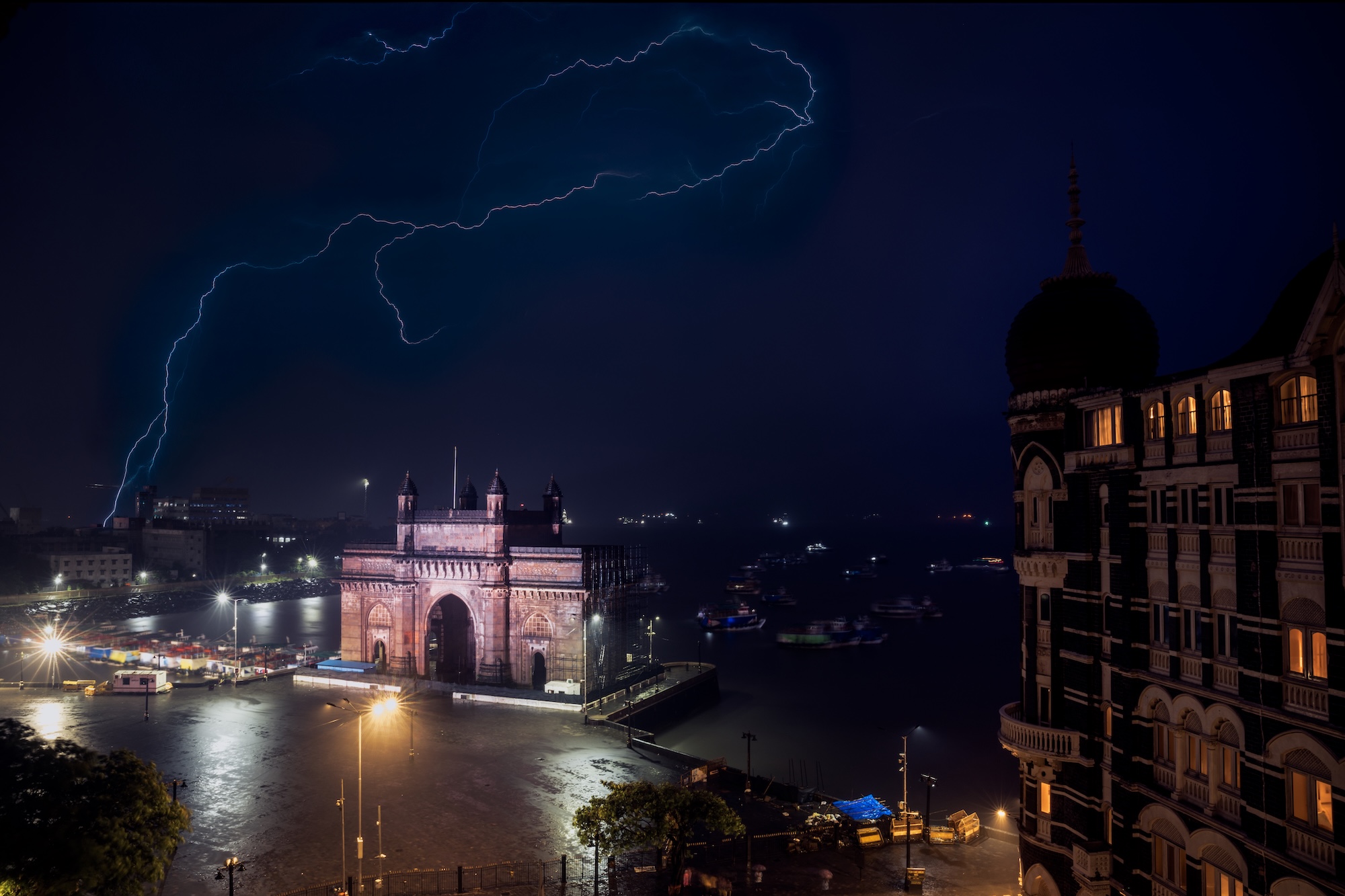
Nadin Heinich: You were born in Pune and moved to Mumbai when you were five. What are your memories of the Bombay of your childhood?
Anupama Kundoo: I grew up in Kalina, between Santa Cruz and what is now the Bandra Kurla Complex. Kalina is also home to one of India’s oldest universities. But for me, it’s not so much about particular places or buildings—it’s about the gaps, the stretches of wilderness in between. Apart from the colonial part of the city, which has a certain coherence, Bombay is a patchwork of disparate pieces. The Mumbai of my childhood is defined above all by magnificent tropical trees—and by spectacular sunsets.
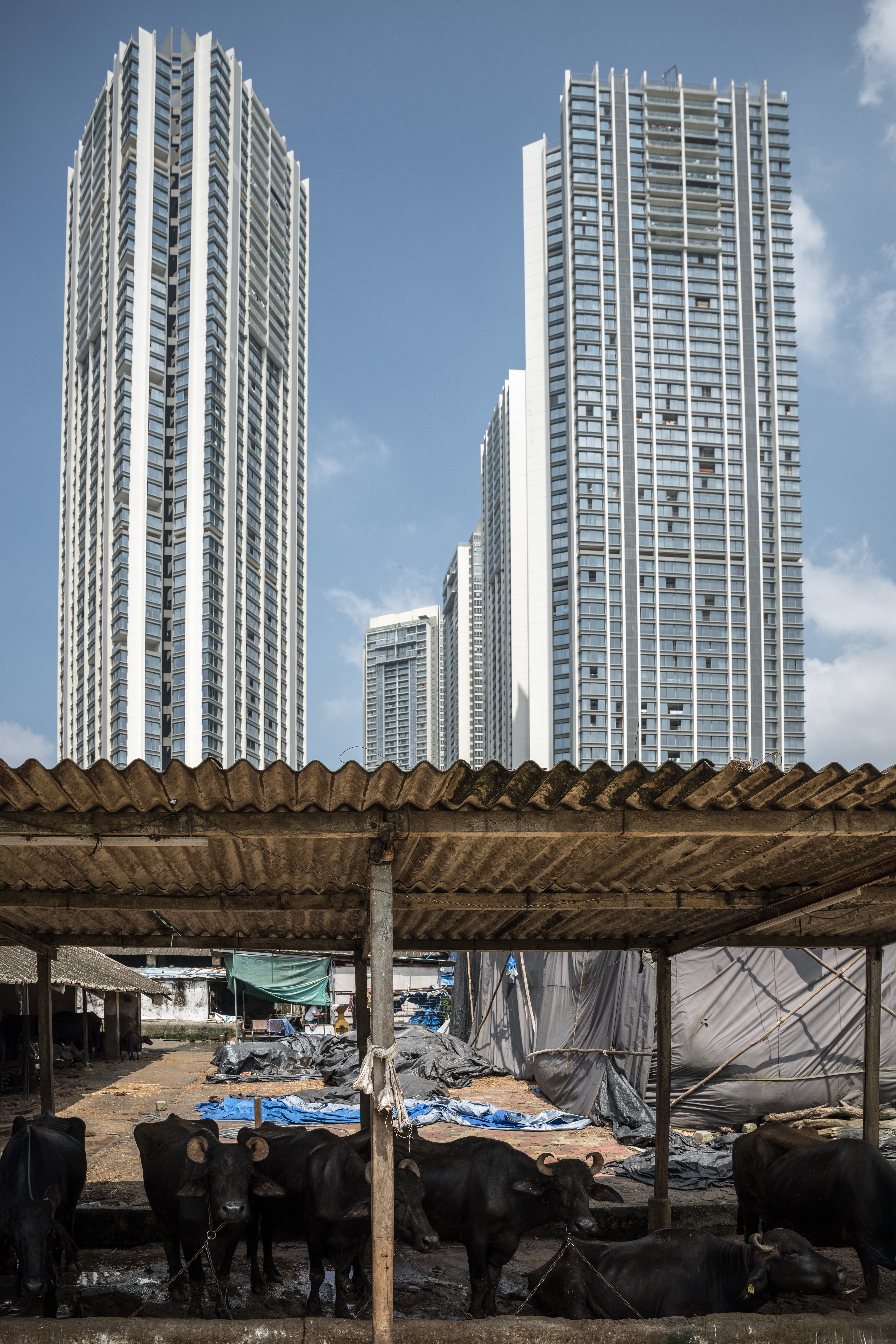
We were aware of the city’s colonial history. And we also knew there was a pre-colonial history—the settlements of the East Indians, for example, or the fishing communities in places like Bandra, where high-rises are now being built. These different layers of history existed side by side. In the spaces between them were these “wild patches” that endlessly fascinated me. When we walked to school early in the morning, we took these shortcuts—or at least I think they were shortcuts—winding our way through them. There were butterflies, dogs, mongooses, buffaloes, and people who kept pigs in their homes. We would hear them squealing and think, “Oh God, it must be slaughter day again.” The milkmen delivered milk by bicycle. We watched people working hard, busily preparing things or packing them up. I love observing people.
Nadin Heinich: Is Bombay a beautiful city to you? When tourists travel to India for the first time, they usually go to Delhi, Agra, and Jaipur. Mumbai is not necessarily their first destination.
Anupama Kundoo: For me, beauty is not only visual—it lies in the vitality, the pulse of a city. Mumbai has a very distinctive pulse, one you feel more than you see. I love that pulse because it is incredibly alive.
Nadin Heinich: In your early twenties, you moved to Tamil Nadu. Later you lived in London, New York, Brisbane, Madrid, and Berlin. Now you have opened another office in Bombay. Has the city always remained your home? What has it taught you?
Anupama Kundoo: After every school holiday, we had to write essays about what we had done during the break. Most of my classmates would visit their hometowns. I came home one day and asked my parents, “Where is our hometown? Why don’t we spend our holidays there?” That was when I understood that, because of political circumstances—one grandfather had been a freedom fighter, the other came from Dhaka, now in Bangladesh—my parents had moved to Maharashtra and had lost their homeland. They had been uprooted by politics.
For me, it was normal to be someone without roots. Bombay gave me a sense of normality because I wasn’t the only one. At school, I never had to explain why we spoke Bengali at home, or why my Bengali wasn’t actually that good. My parents taught me the language, but I never really read Bengali literature—only the books my parents insisted on, and the songs they believed we should know. Every day, Bombay reminded me that we were not originally from there—just like so many other people. It made me deeply aware that we have far more in common than what separates us, that we are all connected, each of us important and unimportant at the same time.
When I left home in 1989, I quickly realized one of Mumbai’s greatest challenges: surviving economically in the city. I had no income of my own and no idea how expensive life in Mumbai really was. It was like being a tiger in the jungle, waking up every morning without knowing what you would eat that day. I consciously chose that adventure because I don’t believe too much security and comfort are good for us.
In 1990, I moved to Auroville. I never felt that I was leaving Mumbai. Rather, I felt as though I was spreading my wings, extending my roots, venturing out into the world. Bombay was already a snapshot of the world; now I was beginning to feel at home in the world itself. More and more places became part of my life. Like a tree sending out ever more roots, able to absorb and synthesize ever more. And every branch bears its own flowers and fruit.
Nadin Heinich: When you compare the Bombay of your childhood with the Bombay of today, what has changed the most?
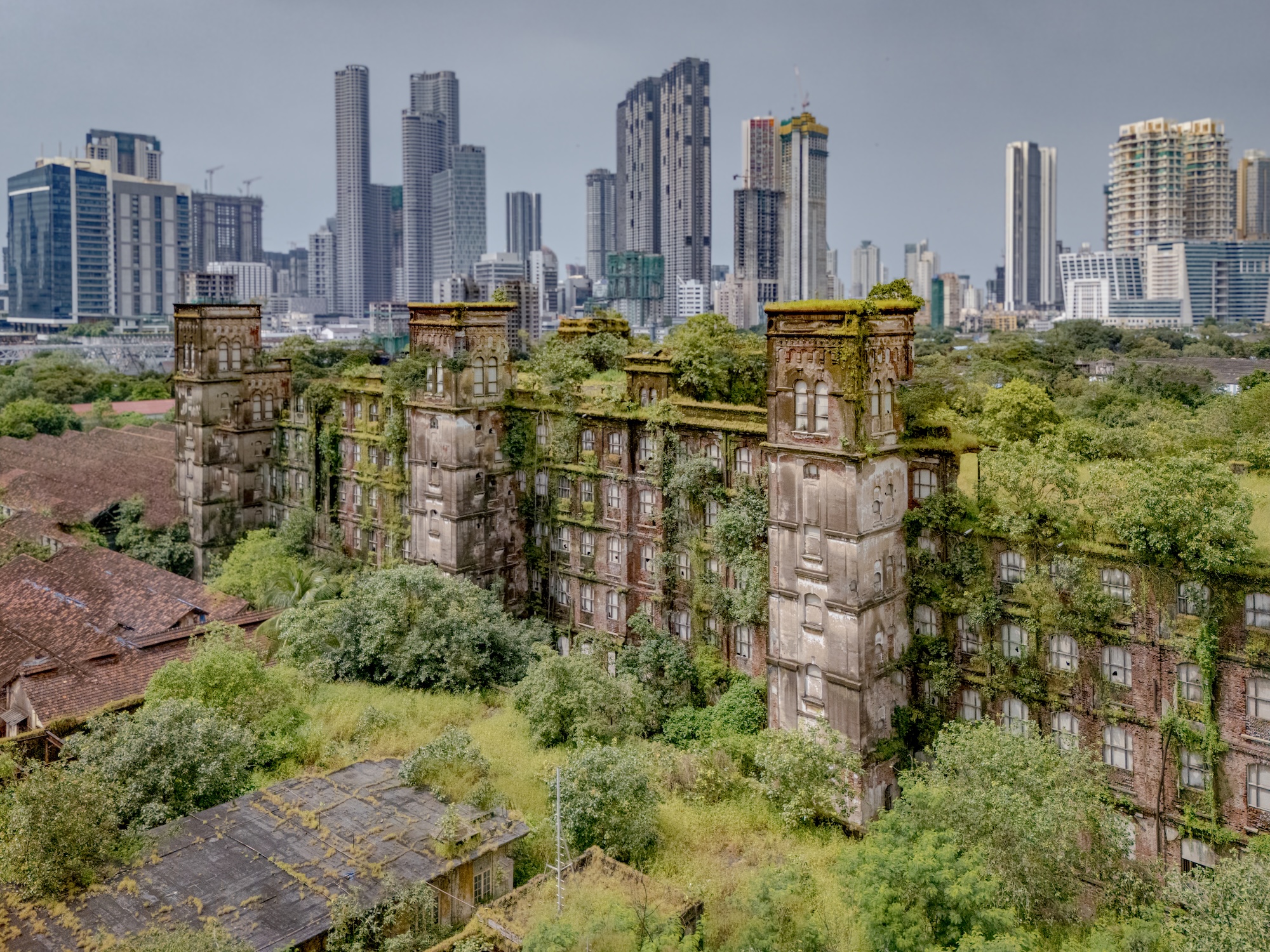
Anupama Kundoo: The way residential neighborhoods—and the high-rises within them—look today. I’m not referring only to the height of the buildings, but also to their layout: how many of the lower floors are devoted to parking, and how public space is designed and used. When I was growing up, there were very few cars. In the Parsi colonies and the Hindu colonies, we simply played outside our homes with whoever happened to be there. Those neighborhoods had a real sense of community.
Today, housing has become a commodity. It is less about creating places to live than about investment. We speak of the BHK system: Bedroom, Hall, Kitchen. Developers offer standardized units in various sizes. Two years ago, I organized a workshop called “Beyond BHK.” The question was: How do we bring life back into public space? How do we prevent more and more people from being priced out of the city and forced into ever longer commutes? These problems already existed in the past, but they have become much more acute. I keep asking myself: How much more can this city take?
Nadin Heinich: Following on from that, what are the city’s biggest challenges?
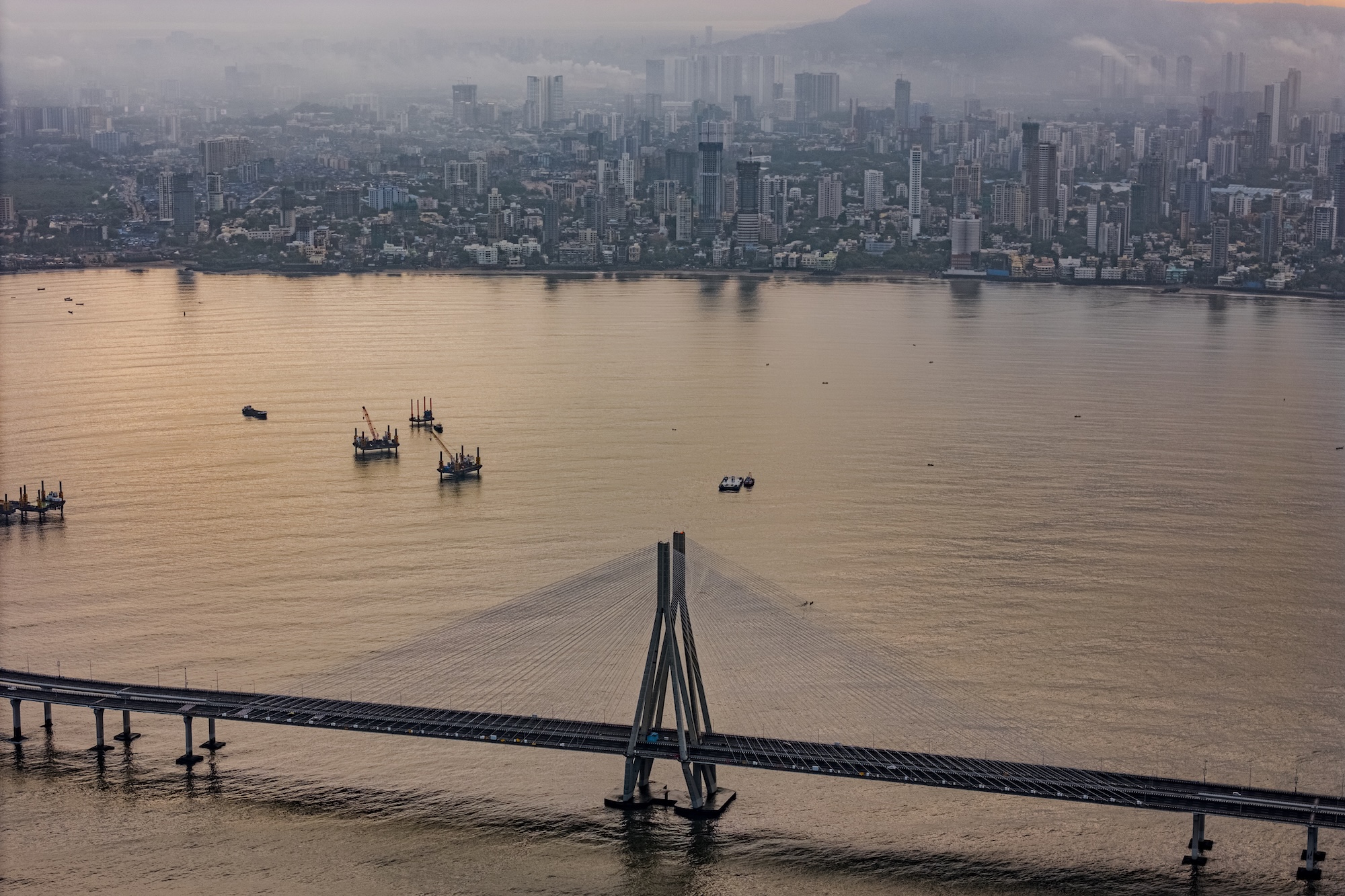
Anupama Kundoo: One is transportation and mobility. I grew up in a Bombay where public transport worked remarkably well. But before long, the system was overwhelmed. Some bold, large-scale steps have since been taken, such as the Bandra–Worli Sea Link, the Mumbai Trans Harbour Link, and the Coastal Road. In a megacity like Mumbai, small gestures are not enough. We will see where these projects lead.
When I was growing up, we were used to doing most things on foot and within our own neighborhood—buying fruit, vegetables, fish, and milk just around the corner. The new air-conditioned shopping malls represent a more Western way of shopping. Gated communities and gated shopping centers turn inward rather than engaging with the street. To me, they feel like an escape into another reality, a kind of bubble. In India, both worlds still exist side by side. The challenge is to find the right balance, so that the intimacy of everyday life—the very thing that makes urban life worth living—is not lost.
Pollution and the waste generated by such a densely populated megacity are also major issues. At the same time, I see a growing awareness among residents and an increasing understanding of sustainable supply chains. And of course, affordable housing remains a tremendous challenge, especially for young people who have just graduated and are starting their careers. We need more architectural innovation—not just the same standardized floor plans. Housing should not be left solely to private developers. I’m still waiting for the city to become powerful and prosperous enough to take responsibility for housing itself—and to move forward with bold, large-scale projects. In a city the size of Mumbai, housing should be regarded as part of the collective infrastructure, just like sewage systems and water supply.
Nadin Heinich: Someone told me that Bombay is so driven by commerce that if you want to pet one of the cows you sometimes see by the roadside, you first have to buy grass for it. Is today’s Bombay above all driven by money?
Anupama Kundoo: No, I don’t think so. That may be true of the real estate market, but not of everything else. To me, Bombay is an extraordinarily generous place. On the train, people squeeze together on a three-person bench to make room for a fourth. I see people feeding someone else’s dog or cat. I see rickshaw drivers taking you where you need to go even if you don’t have enough small change. I see generosity expressed in countless small gestures.
At the same time, I love Mumbai’s culture of responsibility. People are dependable and solution-oriented. The city shapes you into someone who gets things done. And I appreciate that balance between a progressive, future-oriented optimism, a clear-eyed focus on challenges, a strong work ethic, and, at the same time, a deep sense of generosity and consideration for others.
About Anupama Kundoo: Anupama Kundoo graduated with a degree in architecture from the University of Mumbai in 1989. In 1990, she founded her own practice and established herself as a practicing architect in Auroville. She earned her doctorate from the Technical University of Berlin in 2008 and has been Professor of Architecture and Design Methods there since 2024.
Text: Nadin Heinich
Photos: Sergey Ponomarev
