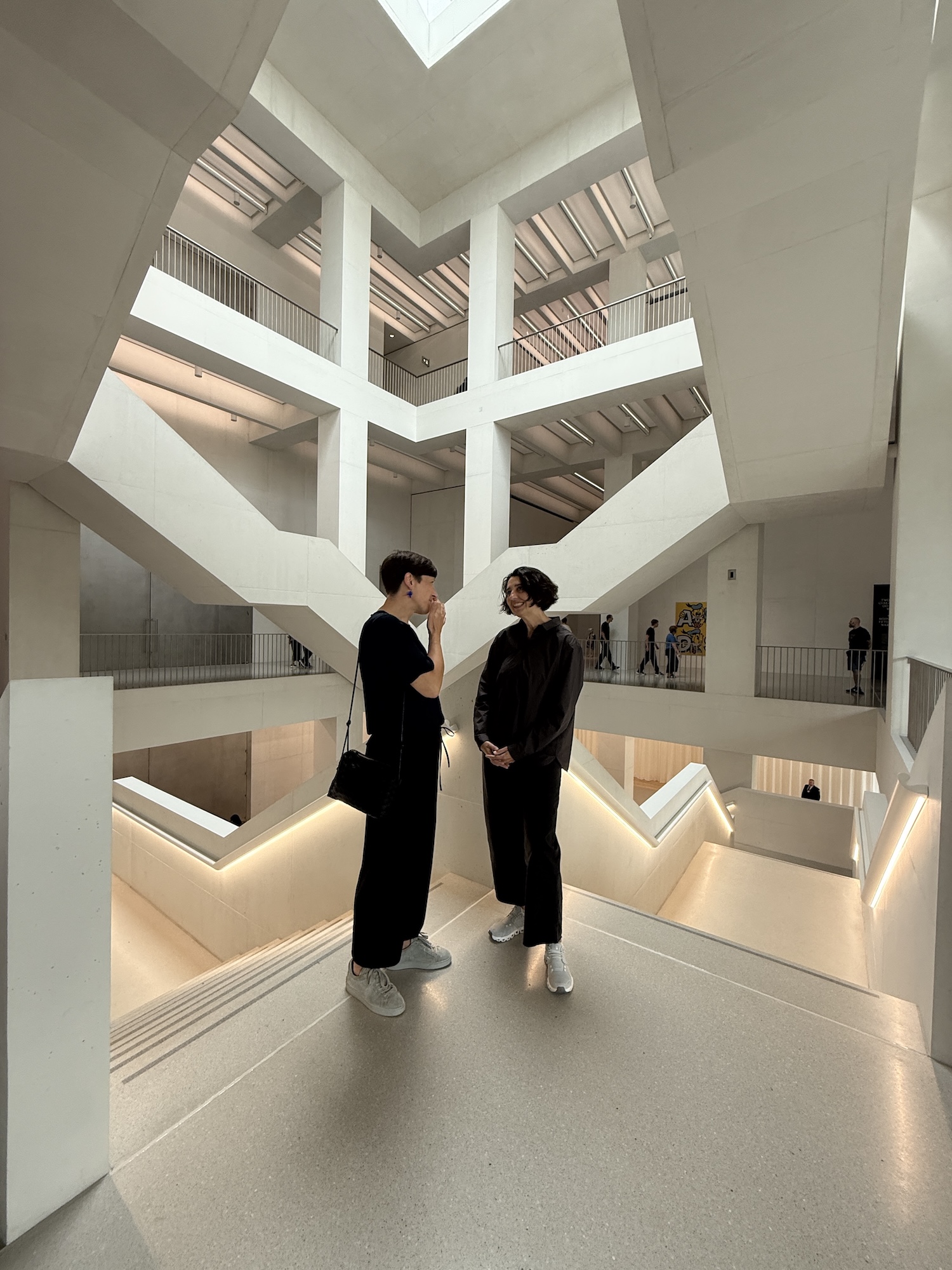
Nadin Heinich: Hardly any museum building in Warsaw is as closely intertwined with the city’s history, politics, and public life as this one.
Joanna Mytkowska: The story of this museum begins in 2004, the year Poland joined the European Union. At the time, there was a political ambition in Warsaw to reshape the city’s image through new cultural institutions. Several major museum projects were initiated during this period, including ours. This is also where the name Museum of Modern Art comes from, even though, in terms of its collection and programme, we are of course a museum of contemporary art.
The first architectural competition was launched at the end of 2005 but failed almost immediately. The competition brief was not suitable for an international competition, and several members of the jury resigned. At least it sparked a serious debate in Poland about how international architectural competitions should be organized. In the second competition, held in 2007, Christian Kerez was selected. His proposal was radically restrained and therefore stood in sharp contrast to the expectations of many, who had envisioned a more iconic building. The debate was correspondingly intense.
Nadin Heinich: You came from Paris to Warsaw in the midst of this heated situation.
Joanna Mytkowska: I had co-founded the Foksal Gallery Foundation and was working as a curator at the Centre Pompidou, focusing on Eastern European art. I arrived in Warsaw at a moment when the museum’s director had resigned and the project seemed politically and institutionally deadlocked. Then another problem emerged—one that is very typical of Warsaw: property ownership. Because restitution claims on parts of the site remained unresolved, it was impossible to obtain a building permit. In 2012, the Kerez project was abandoned. The museum first moved into the former Dom Meblowy Emilia department store and later into the pavilion on the Vistula River. We built the institution first—and the building much later.
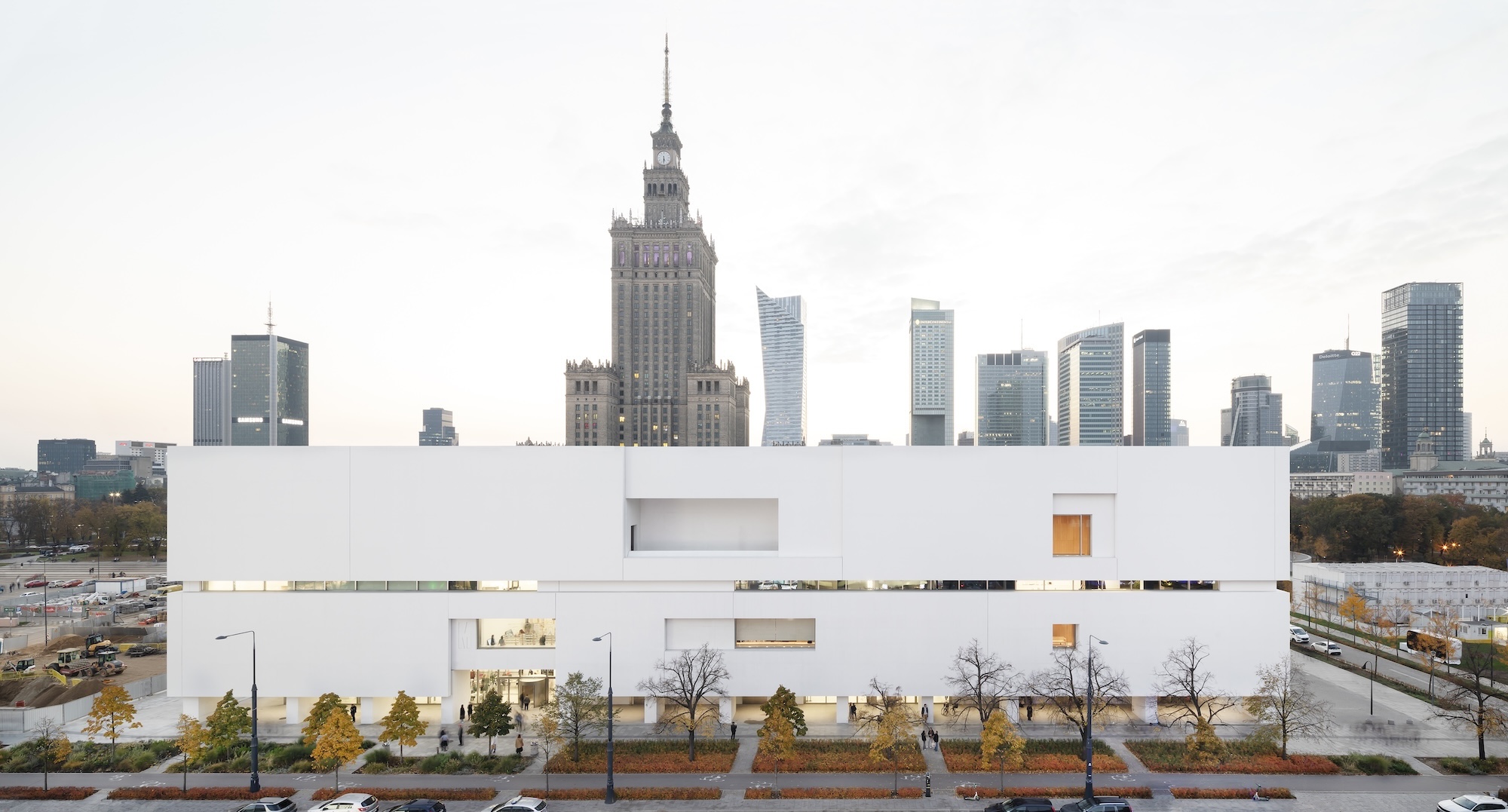
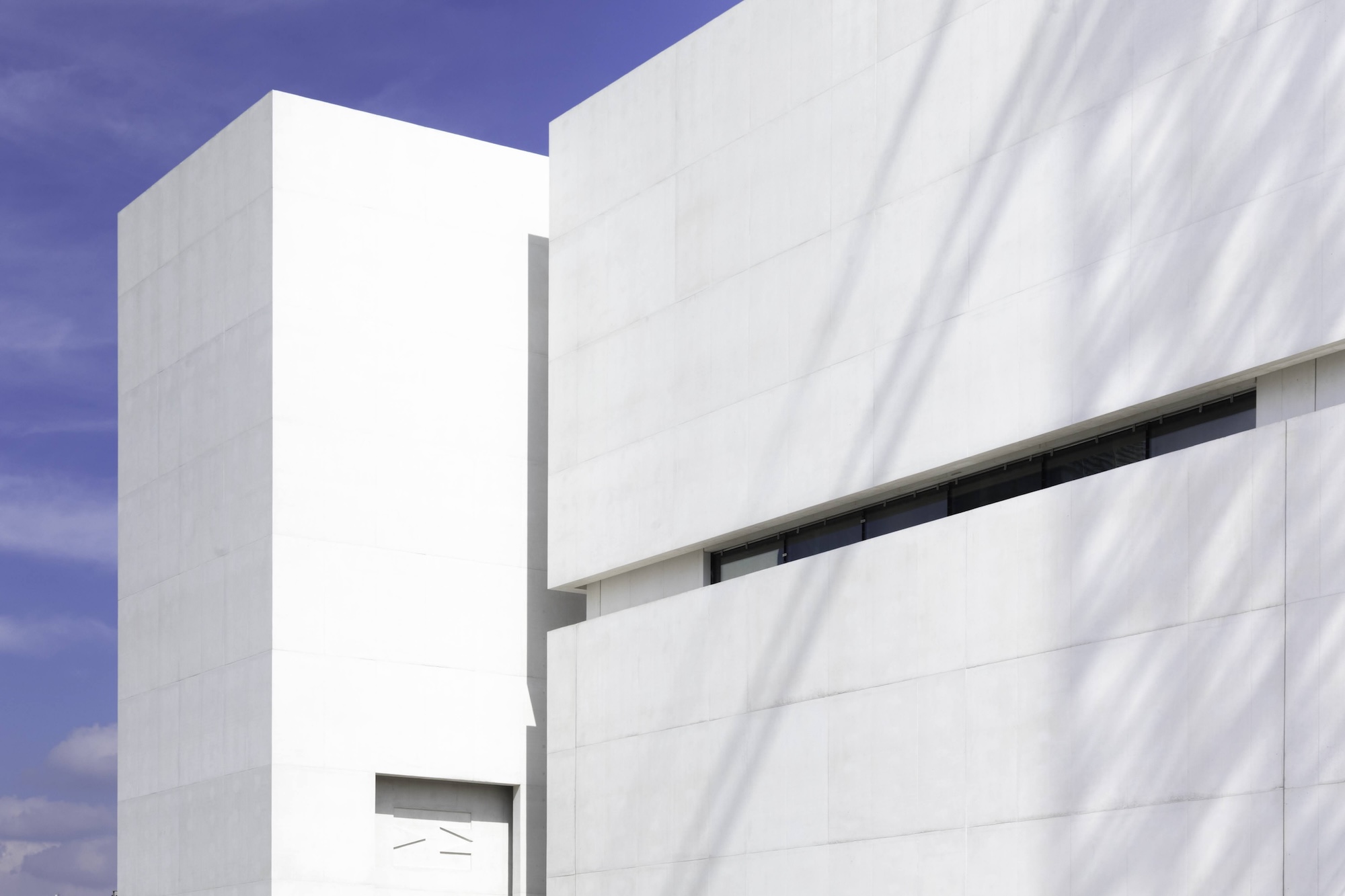
The project was then relaunched, this time through a much more carefully organized process. In 2014, Thomas Phifer was selected as the architect. The museum finally opened on 25 October 2024. The building is therefore not only the result of an architectural process but also of a long period of institutional learning.
Nadin Heinich: What was the art scene in Poland like during the socialist era?
Joanna Mytkowska: It was remarkably vibrant. Compared to other socialist countries, Poland allowed relatively large spaces for artistic freedom within the system. Alongside official culture, there was a dense network of independent and underground initiatives. In one of our exhibitions, for example, we present the archive of KwieKulik—a private apartment that functioned as a place of exchange and self-organization. As a co-founder of the Foksal Gallery Foundation, I come from a very similar environment myself. The historic Foksal Gallery was a public institution, whereas the Foundation was an independent platform—one of the first of its kind in Poland.
Nadin Heinich: In recent years, Poland was governed by the national-conservative Law and Justice party (PiS). What did that mean for you?
Joanna Mytkowska: We have always been a politically sensitive institution: one with a national mandate, yet deeply rooted in Warsaw. Under PiS, the pressure on progressive cultural institutions became increasingly tangible. Leadership changed at many institutions, and programmes were ideologically reframed. For us, this meant constantly negotiating responsibilities, room for manoeuvre, and institutional autonomy. Perhaps it helped that we were still in the process of building the museum. There were not many people willing to take responsibility for such a complex undertaking. The fact that the City of Warsaw stood firmly behind us as a reliable and liberal partner was crucial during that period. For some time, the museum was funded and managed exclusively by the city.
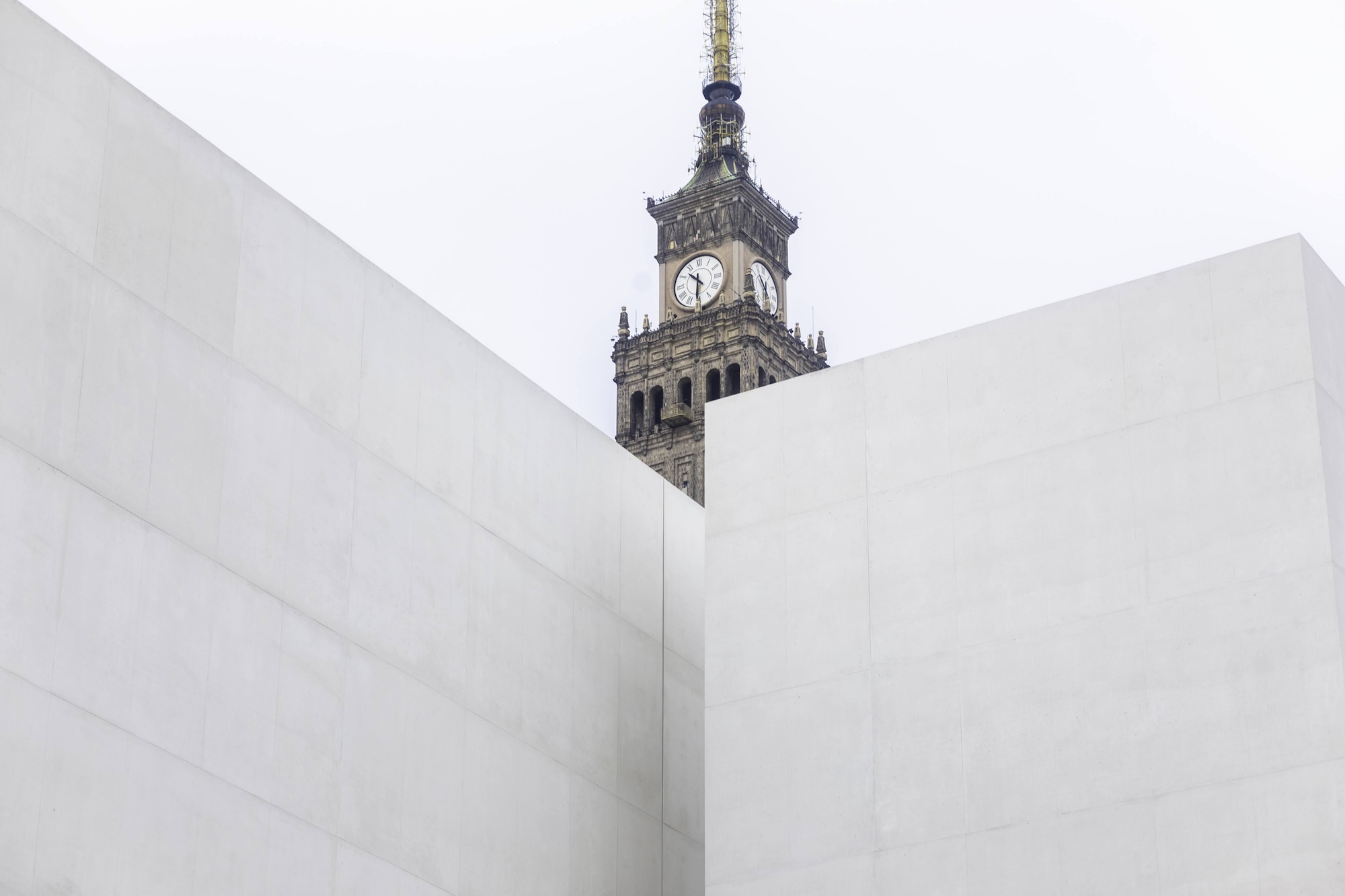
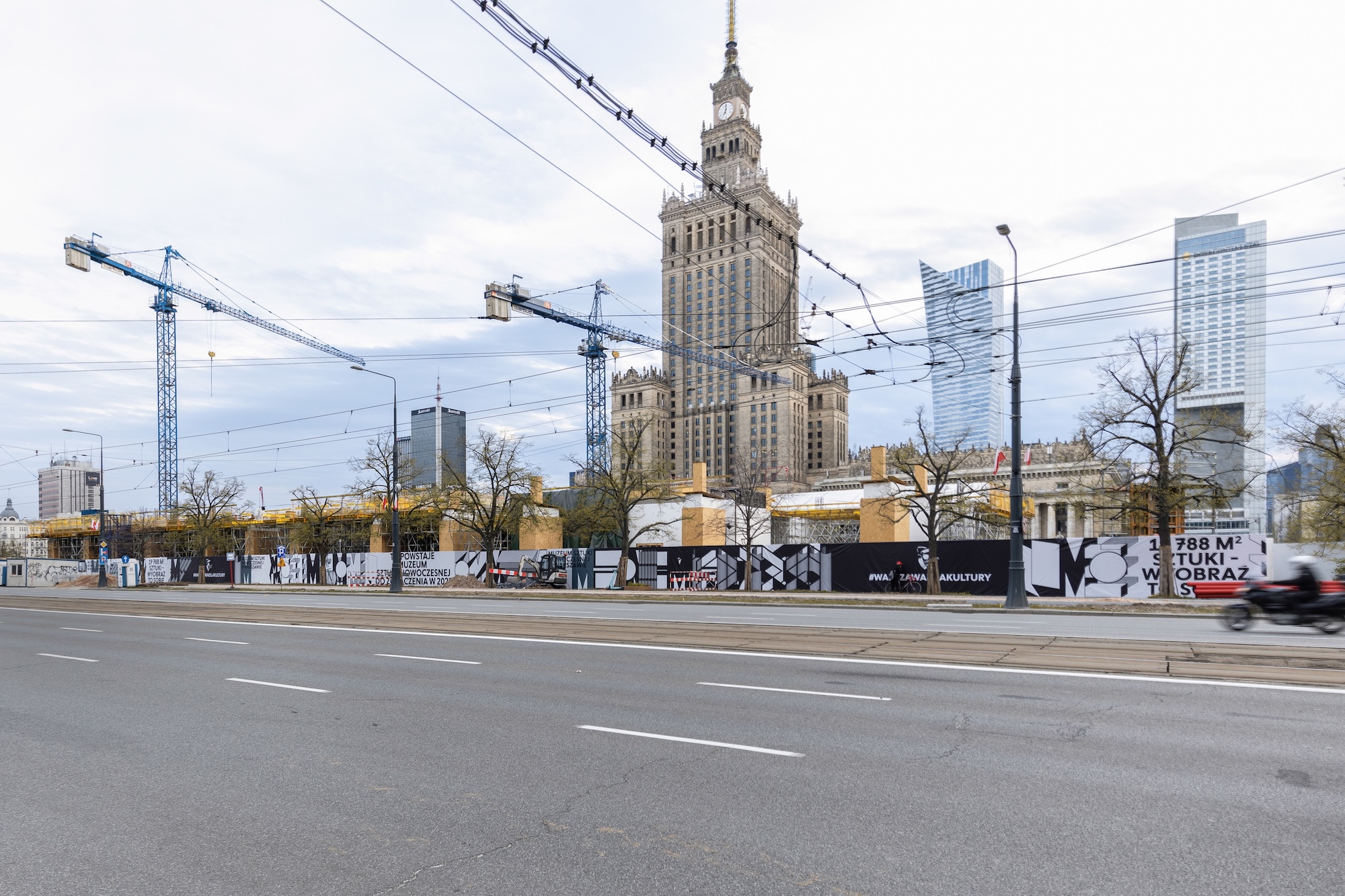
Nadin Heinich: To what extent does the neighbouring Palace of Culture and Science shape your programme? Built by the Soviet Union, the Stalinist high-rise is an ambivalent symbol: officially a “gift” to Poland, but for many a monument to Soviet power.
Joanna Mytkowska: We are very aware of the significance of this place. Our ambition was never to compete with the Palace of Culture architecturally. Our response is institutional. When the Palace was built, the idea of the “present” in Poland was closely associated with official, state-controlled culture: Socialist Realism, propaganda, and censorship.
Culture was an instrument of shaping and control. We stand for the opposite—for freedom of expression, critical thinking, and an open, international contemporary culture.
At the same time, we never wanted to simply reject the Palace of Culture. On the first floor, we display Alina Szapocznikow’s sculpture Friendship, which was originally created for the Palace and remained there for almost four decades. After 1989, it was removed and damaged during the process of decommunization. For us, it is a key work because it reminds us that Socialist Realism is also part of this history. We may reject it politically, but we cannot erase it from our cultural memory. For many younger people, the Palace of Culture is no longer simply a symbol of Soviet rule—it has long since become part of everyday urban life, a place where people meet and spend time. The historical burden has not disappeared, but it is now understood differently.
Nadin Heinich: How would you describe the role of a contemporary museum?
Joanna Mytkowska: I realized early on that a museum of contemporary art cannot simply produce exhibitions and wait for audiences to follow. That is why we founded Warsaw Under Construction, a long-term research and discourse platform dedicated to the city, architecture, and the public realm. To me, a contemporary museum is not only a place of presentation but also a place of social translation. It seeks to make the present legible. Questions of urbanity, migration, borders, war, and democracy are just as much part of its mission as the traditional tasks of a mus
Nadin Heinich: Has the war in Ukraine changed your understanding of that role?
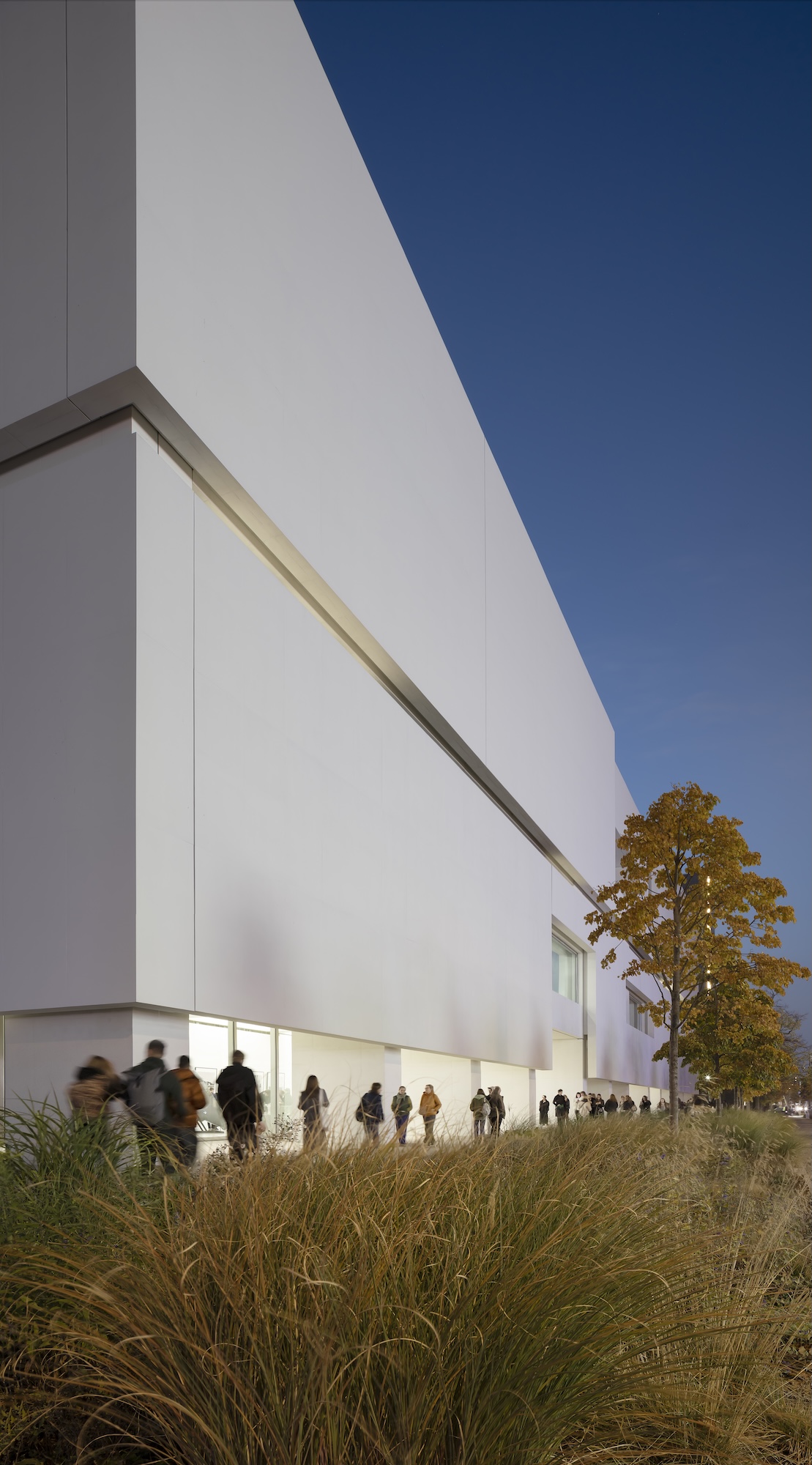
Joanna Mytkowska: It has made it much more tangible. Of course, we should not overestimate our own role: a museum is not a political actor in the narrow sense. It cannot change reality directly. But it can create visibility and foster solidarity.
For Warsaw, 2022 marked a turning point. Within a very short time, an enormous number of people arrived in the city. Society responded with a remarkable level of self-organization. We, too, had to ask ourselves what we, as a cultural institution, could do in practical terms. Suddenly, it was no longer just about representation—it was about infrastructure. Our museum became a support centre for refugees from Ukraine, distributing food and medicine, helping people with documents, and connecting them with legal assistance.
Nadin Heinich: What kind of exchange existed with Ukraine and Russia before that?
Joanna Mytkowska: We had been working closely with Ukraine long before 2022—with artists, curators, and cultural institutions. Our engagement with the region was not a reaction to the war but part of our institutional identity. We also sought dialogue with Russia. In 2011, we initiated Auditorium Moscow, a special project of the 4th Moscow Biennale. For a long time, many of us believed that an independent art scene and more open cultural institutions could emerge in Russia. Looking back, that was a misjudgment—or at least a hope that ultimately did not materialize.
Nadin Heinich: How do you see Polish society today, and how do you assess Poland’s role in Europe?
Joanna Mytkowska: For a long time, we believed that many social changes were self-evident, almost irreversible. Then we realized that they were not. For institutions like ours, this was a sobering experience. We felt we were part of a positive transformation, only to discover that a large part of society did not share that vision of progress. Today, I am less interested in lamenting this than in understanding why it has happened: why populist parties receive so much support and why distrust of elites has become so widespread.
At the same time, Poland now plays a particularly important role in Europe. The country recognized the threat posed by Putin’s Russia much earlier and more clearly than many others. That experience is important for Europe. All the more difficult, then, is the fact that Poland remains so politically divided internally. Perhaps that is the contradiction we live with today: Poland has become more important externally, while internally much remains fragile. As an institution, we try to respond—not with quick answers, but by creating spaces in which these tensions can become visible and be negotiated.
About: Joanna Mytkowska is a curator, art critic, and has served as Director of the Museum of Modern Art (MSN) in Warsaw since 2007. With the exhibition Near East, Far West, the museum was one of the venues of the Kyiv Biennial 2025.
Text: Nadin Heinich (plan A)
Photography: Heinrich Völkel (Ostkreuz)
