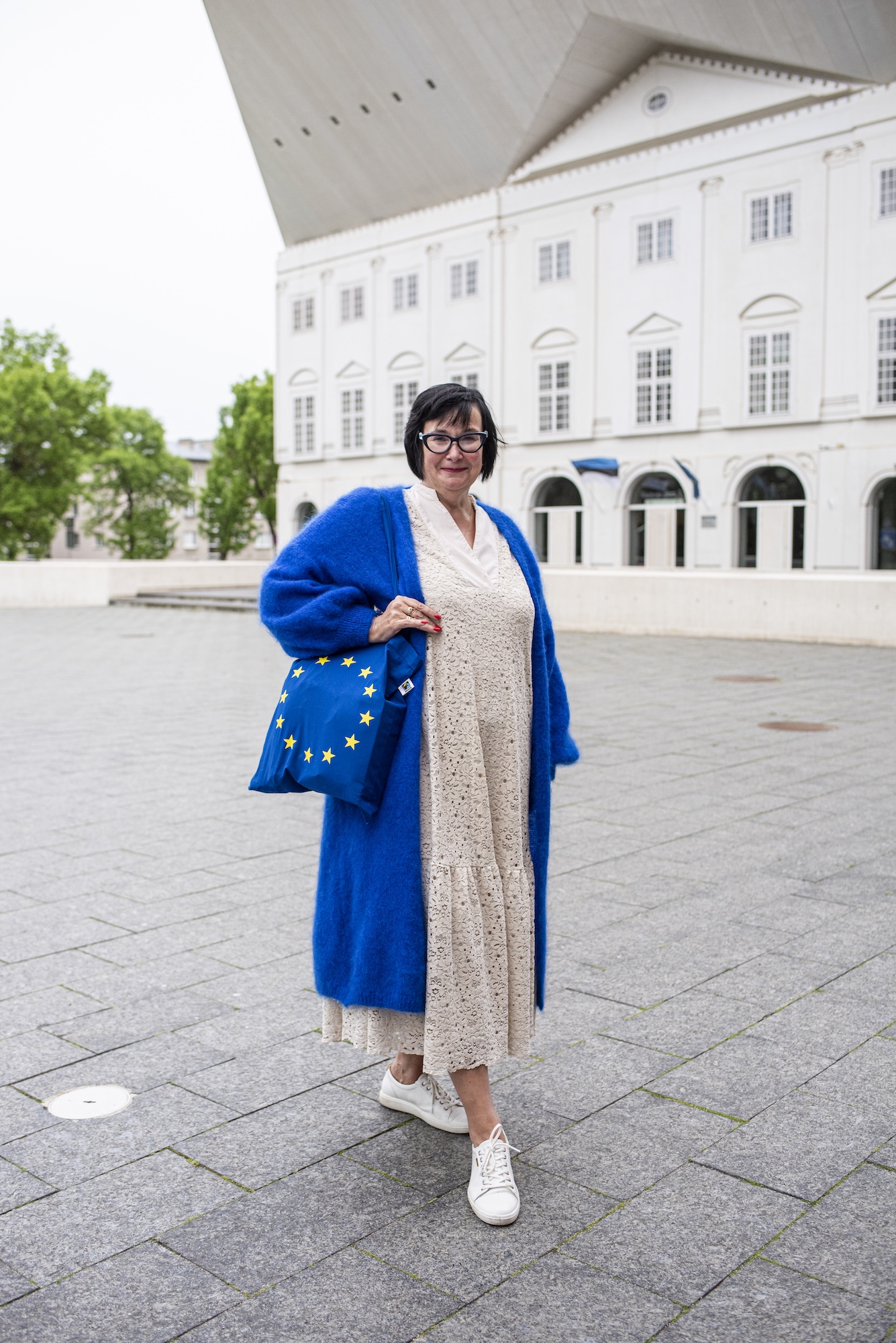
Nadin Heinich: Let me begin with a question you have probably been asked many times: From your perspective in Narva, how do you look at Russia? How do you assess the current security situation?
Katri Raik: My perspective differs from that of many people who live in this city. Narva has long been under the strong influence of Russian media. Since the full-scale invasion of Ukraine, Russian propaganda has been more tightly restricted in Estonia, but it remains very present in Narva—through free-to-air television channels available near the border, as well as media displays staged on the Russian side of the river. Sometimes it feels as though people are simply repeating what Putin said the night before.
Of course, there are also Russian-language media produced in Estonia. But Russian television is often more appealing: it has bigger budgets, entertainment shows, concerts, and films. In this way, propaganda continues to reach Narva.
At the same time, Narva is far from being a monolithic city. It is a city of a thousand different opinions. After the full-scale invasion began, many younger people clearly sided with Estonia and Ukraine. For them, Russia is the aggressor and Putin is a war criminal. Older generations often see things differently. These divisions run through entire families, and in many cases people no longer speak about the war at all.
Nadin Heinich: Today, almost everyone in Narva speaks Russian.
Katri Raik: If we’re talking about language, then yes—Russian dominates everyday life almost entirely. Estonian is the first language in only a small minority of households. At the same time, there is a younger generation that says: We are Estonians, but Russian-speaking Estonians. That, too, is part of Narva’s identity.
Nadin Heinich: You are a historian. Why is the Russian-speaking population so large here? Across Estonia as a whole, ethnic Russians account for 20.9 percent of the population.
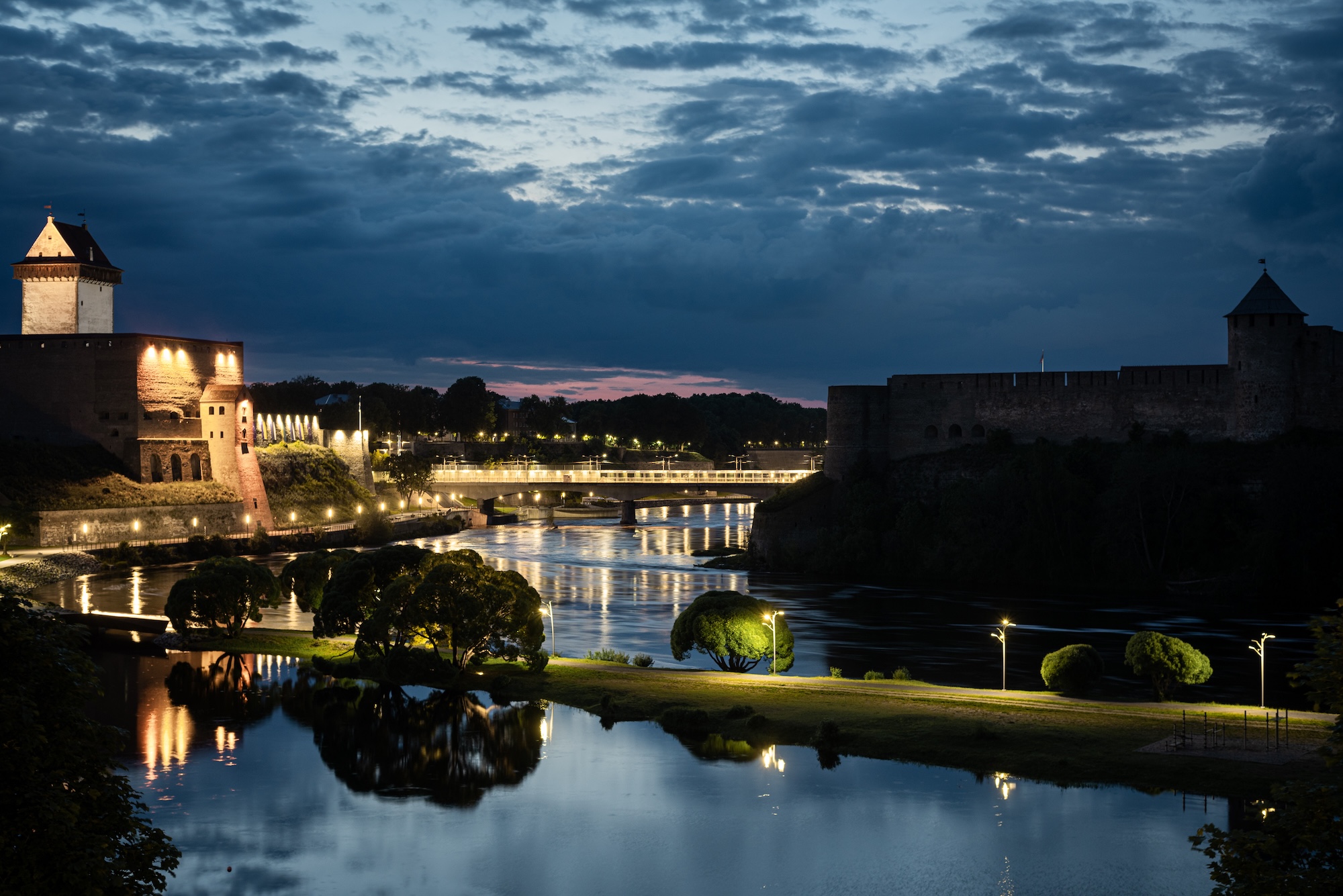
Katri Raik: Narva’s greatest strength is also its greatest burden: its location. Since the Middle Ages, the wars that reached Estonia have often been fought here—along the Narva River. This was true during the Livonian War, the Great Northern War, the First World War, and again during the Second World War. In 1944, the city was almost completely destroyed after its inhabitants had been evacuated.
When the war ended, Narva lay in ruins. Many of its pre-war Estonian residents never returned—some because they were not allowed to, others because they refused to live under Soviet rule. The city was initially rebuilt with the help of prisoners of war, but above all by newcomers from across the Soviet Union.
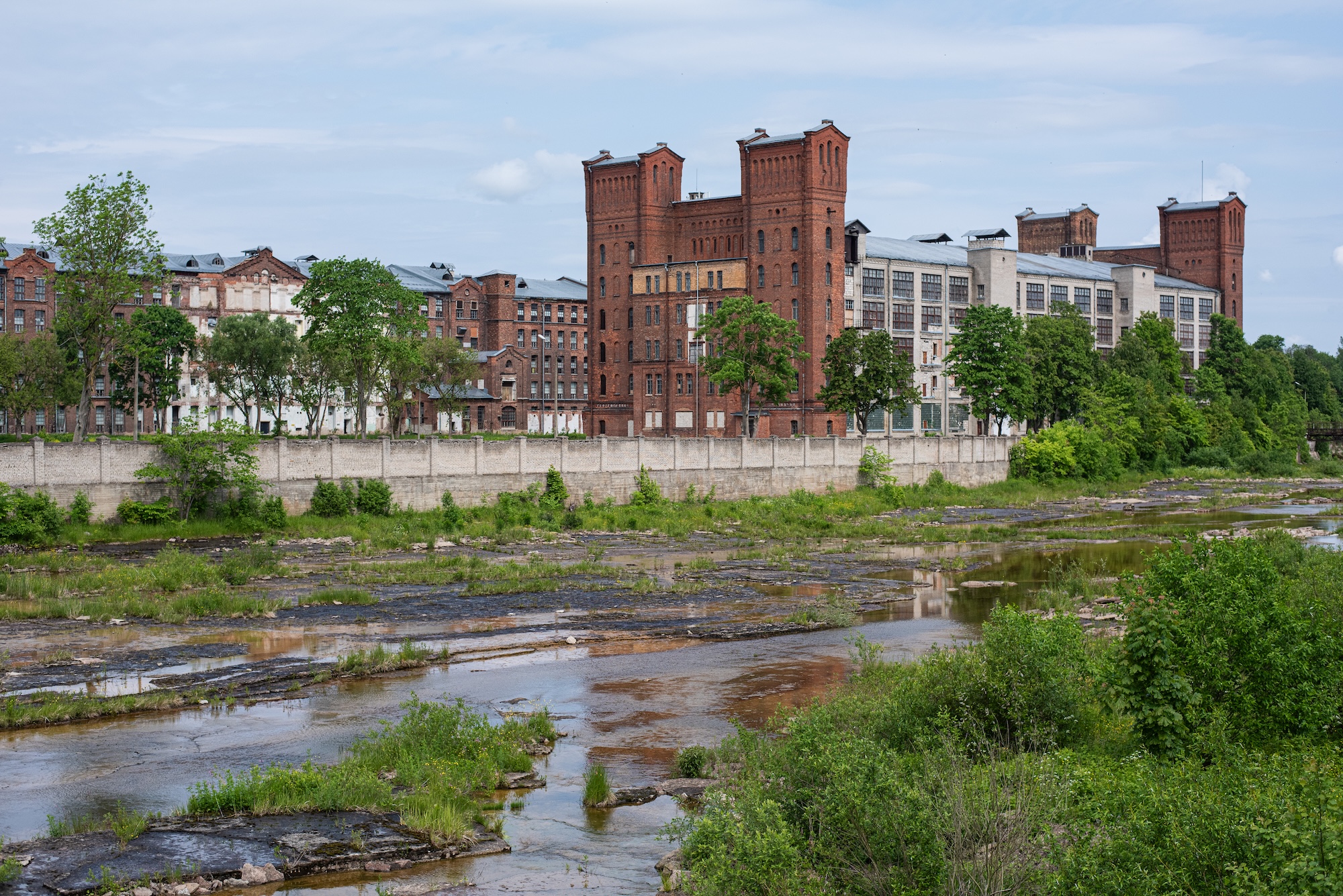
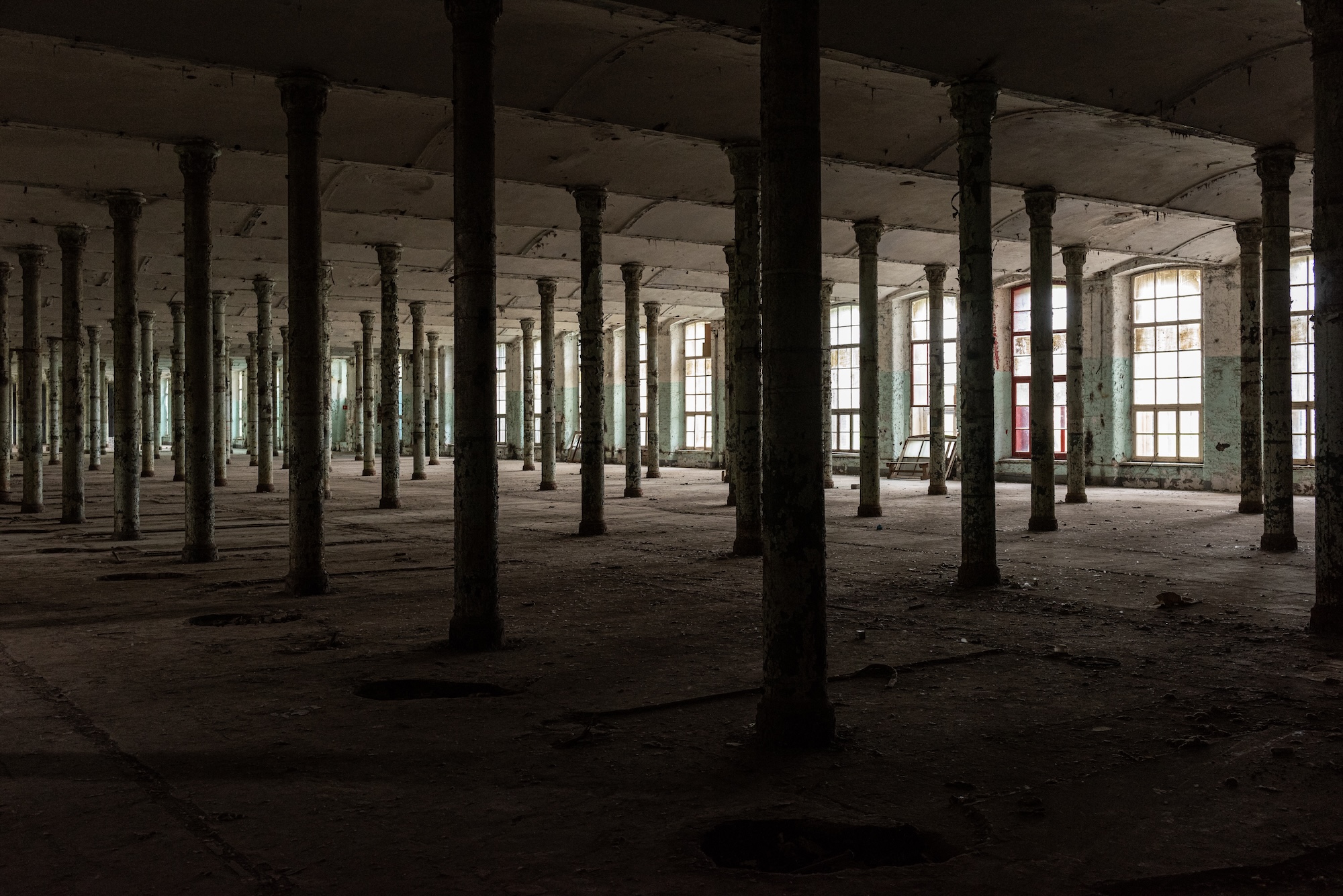
With the construction of the dam, the hydroelectric power plant, the oil shale power stations, and major industrial enterprises—most notably the Kreenholm textile mill—Narva became a new type of Soviet industrial city. People arrived not only from Russia, but also from Belarus, Ukraine, the Caucasus, and other parts of the Soviet Union. That is why the city’s cultural life remains remarkably diverse to this day. Before the Second World War, Narva had a predominantly Estonian population. After 1945, however, the city embarked on an entirely new demographic and cultural chapter.
Nadin Heinich: What was coexistence between Russians and Estonians like during the Soviet era—and what is it like today?
Katri Raik: Estonia is a small nation. For us, freedom and language are existential. For many years after the 1990s, we treated Russia with kid gloves—including in our language and education policies. Only in recent years has that begun to change. Since the full-scale invasion, more has happened in a short period than in the previous decade: Soviet monuments have been removed, street names have been changed, and the transition to Estonian-language education has been accelerated. Russian and Belarusian citizens are no longer permitted to own firearms in Estonia.
Since last year, teaching in kindergartens as well as in the first and fourth grades has been conducted exclusively in Estonian. On paper, the policy is clear. In practice, however, it is far more challenging. What language do teachers actually speak in everyday situations? Do the children speak Estonian as well, or do they slip back into Russian? These are the questions we deal with every single day.
Nadin Heinich: Would it make sense to apply some of the laws that govern all of Estonia a little more flexibly here?
Katri Raik: No. Narva is part of Estonia. Four years ago, I might have answered differently. But this is about more than language. The real question is: Do I belong to Estonia or not? A significant share of Narva’s population does not hold Estonian citizenship, and many residents were not born in what is now Estonia. They often do not feel entirely at home here—yet neither do they feel at home in Russia. That is precisely what makes the situation so complex.
Nadin Heinich: The Baltic states have been among Ukraine’s strongest supporters and are firmly aligned with the European Union and NATO.
Katri Raik: Everyone here knows that Estonia has benefited enormously from being part of Europe over the past twenty years. For many Russian-speaking people in Estonia, the European Union is something tangible—it has made a real difference to their lives. NATO is perceived rather differently. Many people here still believe that it is better not to provoke Russia, that the Russian bear should be left to sleep. That is why the mood in Narva is very different from that in the capital, Tallinn. When I try to explain to people elsewhere in Estonia what life is like in Narva, I often feel misunderstood.
Nadin Heinich: If the influence of Russian media is so strong, does that also mean that a majority of people support Putin?
Katri Raik: People don’t talk about that. We simply don’t know. If war were to break out and we had to evacuate the population, my personal assumption is that perhaps one third would stay here, one third would move elsewhere in Estonia, and one third would go to Russia.
Nadin Heinich: Has the full-scale invasion changed the way you think about the city? Has it altered your perspective on borders and security?
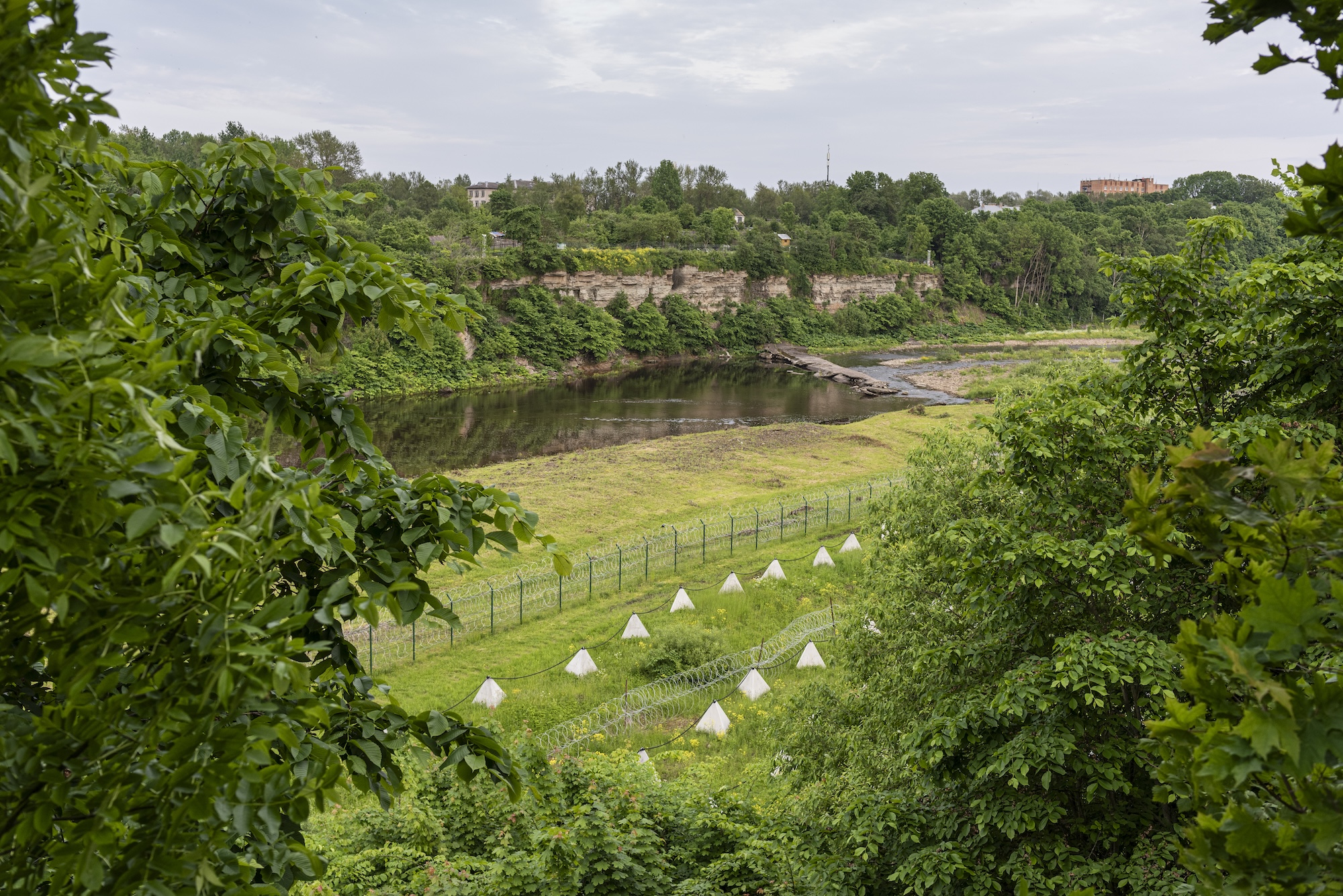
Katri Raik: In everyday life, there is surprisingly little visible militarisation. When new public buildings such as schools or kindergartens are designed today, shelters are now part of the planning process. But you won’t find concrete barriers dominating the streetscape. The dragon’s teeth—the concrete anti-tank obstacles—are located at the border crossing to Russia, not in the middle of the city.
Nadin Heinich: For many years, Narva also played an important logistical role in the connection between the European Union and Russia.
Katri Raik: Yes. Narva lay directly on the route to St Petersburg. Many people came from Russia to shop, use local services, or spend a few days here. With the introduction of visa restrictions and the dramatic decline in cross-border traffic, that business model has largely collapsed. It was a severe blow to retail, the service sector, and tourism.
At the same time, Narva was already economically vulnerable. Wages remain below the Estonian average, and unemployment is higher than in many other parts of the country.
Nadin Heinich: You have served as Mayor of Narva before, you are Mayor again today, and you also served as Estonia’s Minister of the Interior. What is your vision for the city’s future?
Katri Raik: Had we had this conversation four years ago, I might have spoken with great optimism about Narva as Europe’s first gateway—a Russian-speaking Europe. Today, that sounds naïve.
Narva was, is, and will remain an industrial city. It has a strong metalworking industry, and in 2025 Neo Performance Materials opened a new permanent magnet plant on the outskirts of the city—the largest facility of its kind in Europe. It manufactures components for electric vehicles, wind turbines, robotics, and microelectronics.
Yet despite these developments, Narva continues to shrink. Its population has fallen from more than 80,000 to just over 52,000 today.
Nadin Heinich: When we first spoke on the phone, you told me you were growing tired of speaking to international journalists. Do you feel that people in Europe—and particularly in Western Europe—have a realistic understanding of life here on the border with Russia?
Katri Raik: Sometimes I feel as though I spend half my day telling people that war is not coming—and the other half working to ensure that it doesn’t. That is our everyday reality: talking to people, reassuring them, creating jobs, speaking with investors, and attracting new employers to the city.
At times, I think Europe understands us better than Tallinn does. From the capital, the recurring question is whether Narva is loyal—to Tallinn, to Estonia. But what people here need above all is hope for the future. In a situation like this, it is difficult to dream big. I, too, have become more cautious.
Text: Nadin Heinich (plan A)
Photography: Heinrich Völkel (Ostkreuz)
