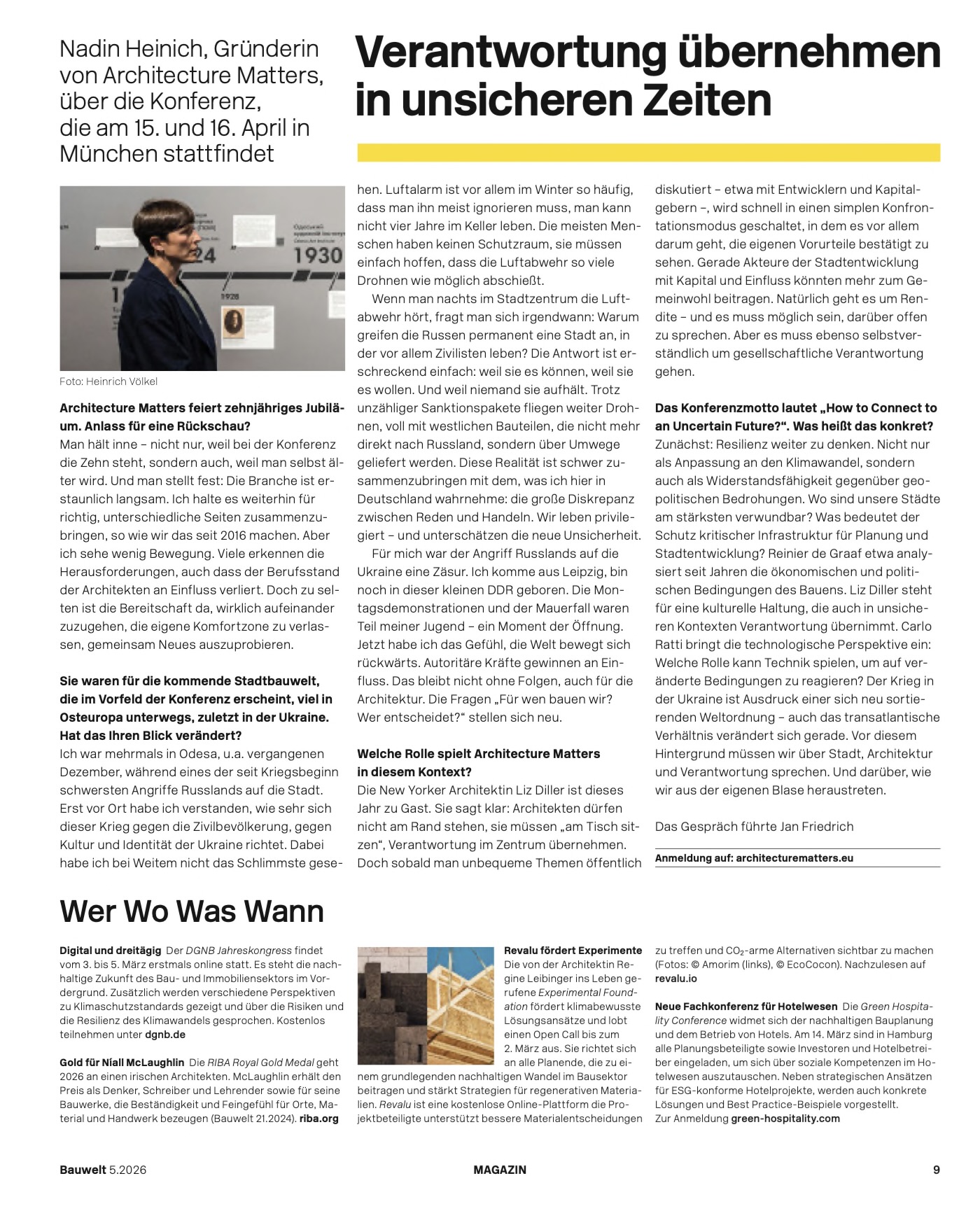
Architecture Matters celebrates its tenth anniversary. Does that invite a moment of reflection?
It certainly does—not only because the conference has reached its tenth edition, but also because I have grown older myself. Looking back, what strikes me most is how slowly our industry changes. I still firmly believe in bringing together different perspectives, which has been the core idea behind Architecture Matters since 2016. Yet I see remarkably little movement.
Many people recognise the challenges we face, including the declining influence of the architectural profession. But too few are genuinely willing to engage with one another, step outside their comfort zones, and experiment with new approaches together.
You spent considerable time in Eastern Europe while preparing the upcoming issue of StadtBauwelt, which is being published ahead of the conference, most recently in Ukraine. Has that changed your perspective?
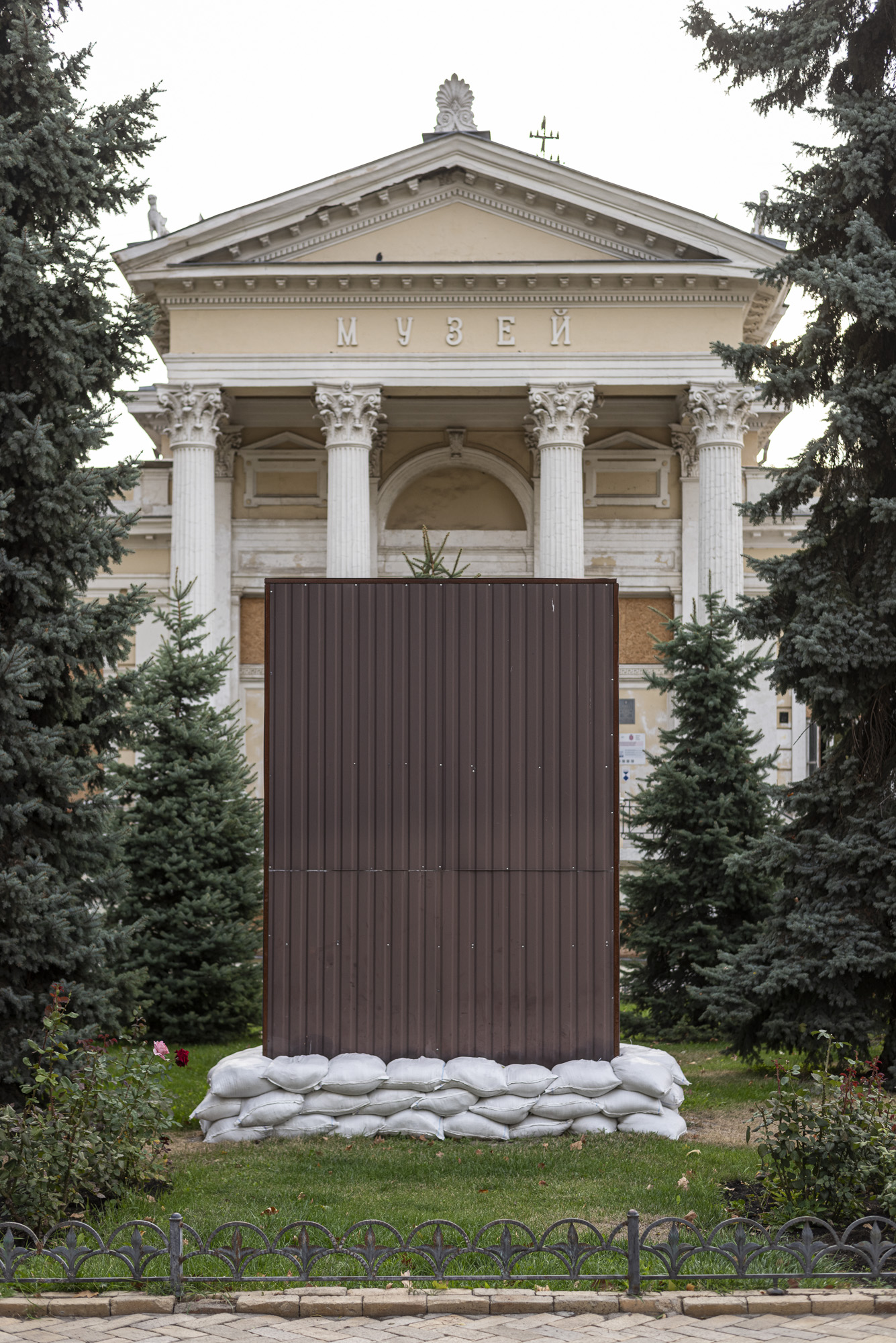
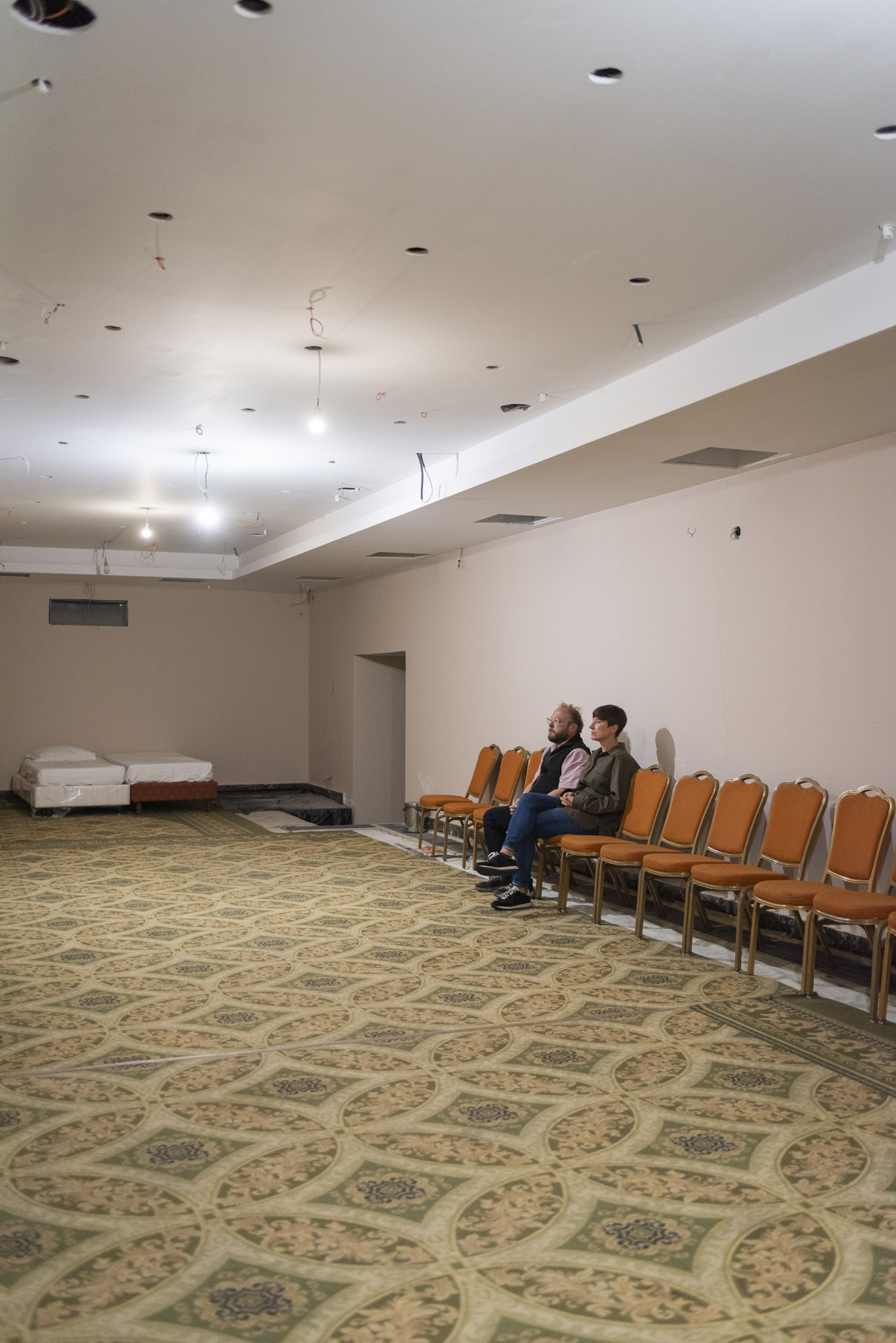
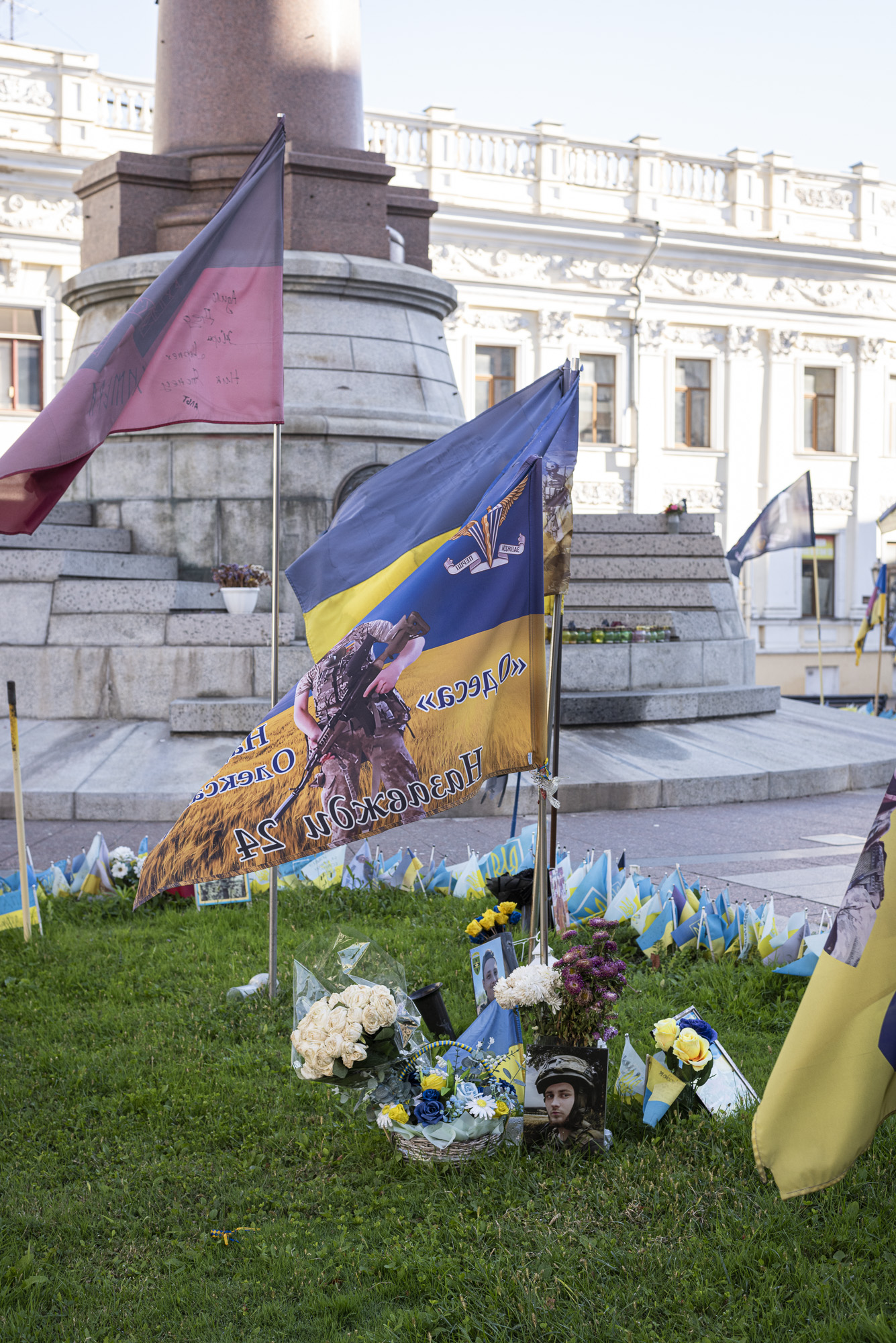
I have travelled to Odesa several times, most recently last December, during one of the most severe Russian attacks on the city since the beginning of the full-scale invasion. It was only by being there that I truly understood the extent to which this war is directed not only against civilians, but also against Ukraine’s culture and identity. And even then, I witnessed only a fraction of its reality.
Air-raid alerts—particularly during the winter months—occur so frequently that people have little choice but to ignore them. You cannot spend four years living in a basement. Most people do not even have access to a shelter; they simply have to hope that the air defence systems will intercept as many drones as possible.
Standing in the city centre at night, listening to the air defence, one eventually begins to ask: why are the Russians relentlessly attacking a city inhabited primarily by civilians? The answer is disturbingly simple: because they can, because they choose to—and because no one is stopping them.
Despite countless rounds of sanctions, drones continue to arrive equipped with Western-made components that no longer enter Russia directly but instead reach it through indirect supply routes. Reconciling this reality with what I experience back in Germany is difficult. There is an enormous gap between rhetoric and action. We continue to live in relative privilege while underestimating the extent of the new uncertainty that has emerged.
For me, Russia’s invasion of Ukraine marked a profound turning point. I grew up in Leipzig and was born in what was then East Germany. The Monday demonstrations and the fall of the Berlin Wall shaped my youth—they symbolised a world opening up. Today, however, I often feel that history is moving in reverse. Authoritarian forces are gaining ground. That development inevitably affects architecture as well. Fundamental questions—Who do we build for? Who gets to decide?—must now be asked anew.
What role does Architecture Matters play in this context?
This year, we are welcoming the New York architect Liz Diller as one of our keynote speakers. She makes a compelling point: architects cannot afford to remain on the sidelines—they need to have a seat at the table and assume responsibility where decisions are made.
Yet the moment uncomfortable issues are discussed in public—particularly in conversations involving developers and investors—the debate too often slips into a simplistic, confrontational narrative in which people are primarily interested in having their own preconceptions confirmed.
Those who shape our cities and command both capital and influence have the potential to contribute far more to the common good. Of course, investment returns matter, and we need to be able to speak openly about them. But it should be just as natural to talk about social responsibility. The two should not be seen as mutually exclusive.
The conference theme is How to Connect to an Uncertain Future? What does that mean in practice?
First and foremost, it means rethinking resilience. Not simply as our capacity to adapt to climate change, but as the ability to withstand geopolitical disruption as well. Where are our cities most vulnerable? What does the protection of critical infrastructure mean for planning and urban development?
Reinier de Graaf, for example, has spent years examining the economic and political conditions that shape architecture. Liz Diller represents a cultural approach that embraces responsibility even in times of uncertainty. Carlo Ratti brings a technological perspective to the conversation, asking how innovation can help us respond to rapidly changing conditions.
The war in Ukraine is a manifestation of a global order in transition. At the same time, the transatlantic relationship is being fundamentally reshaped. Against this backdrop, we need to rethink the way we talk about cities, architecture, and responsibility—and, perhaps most importantly, how we move beyond the confines of our own bubbles.
This is precisely where Architecture Matters seeks to make a contribution: by bringing together people who would not normally share the same table, and by creating a space where difficult questions can be addressed with openness rather than certainty.
Text: Jan Friedrich, Berlin
Photography: Heinrich Völkel, Ostkreuz
Originally published in Bauwelt 5.2026 under the title Verantwortung übernehmen in unsicheren Zeiten.
