How to Connect to an Uncertain Future?
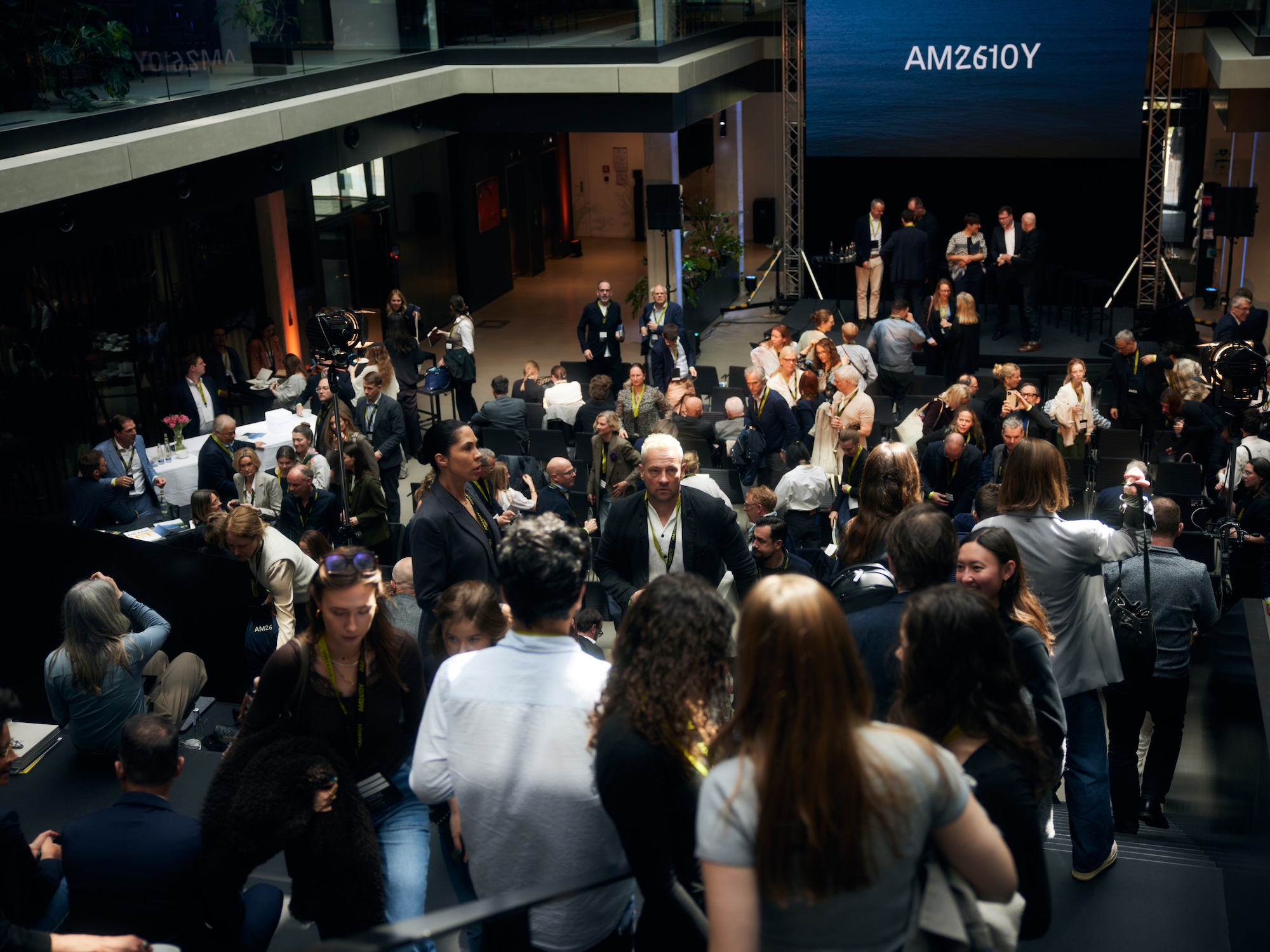
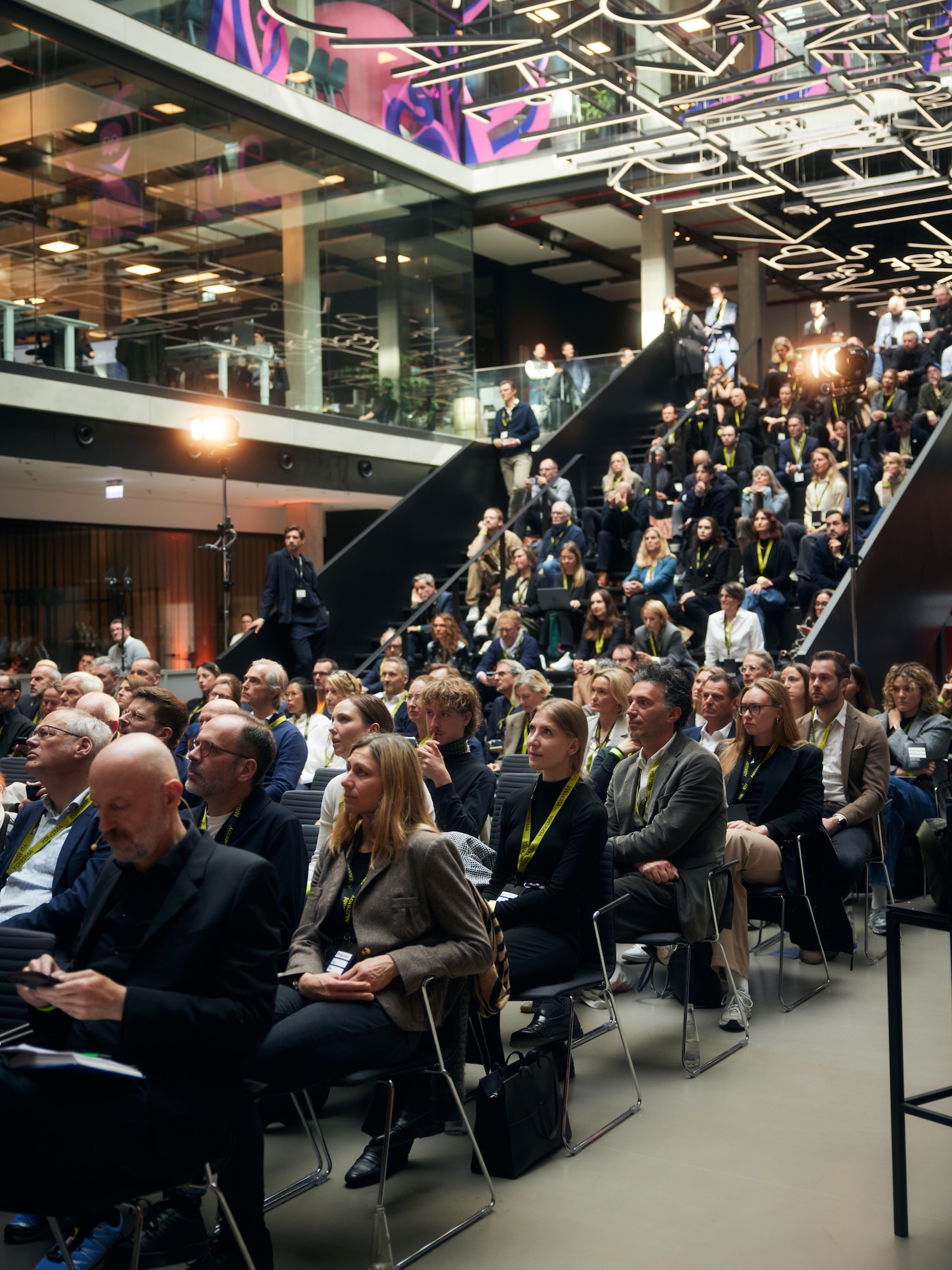
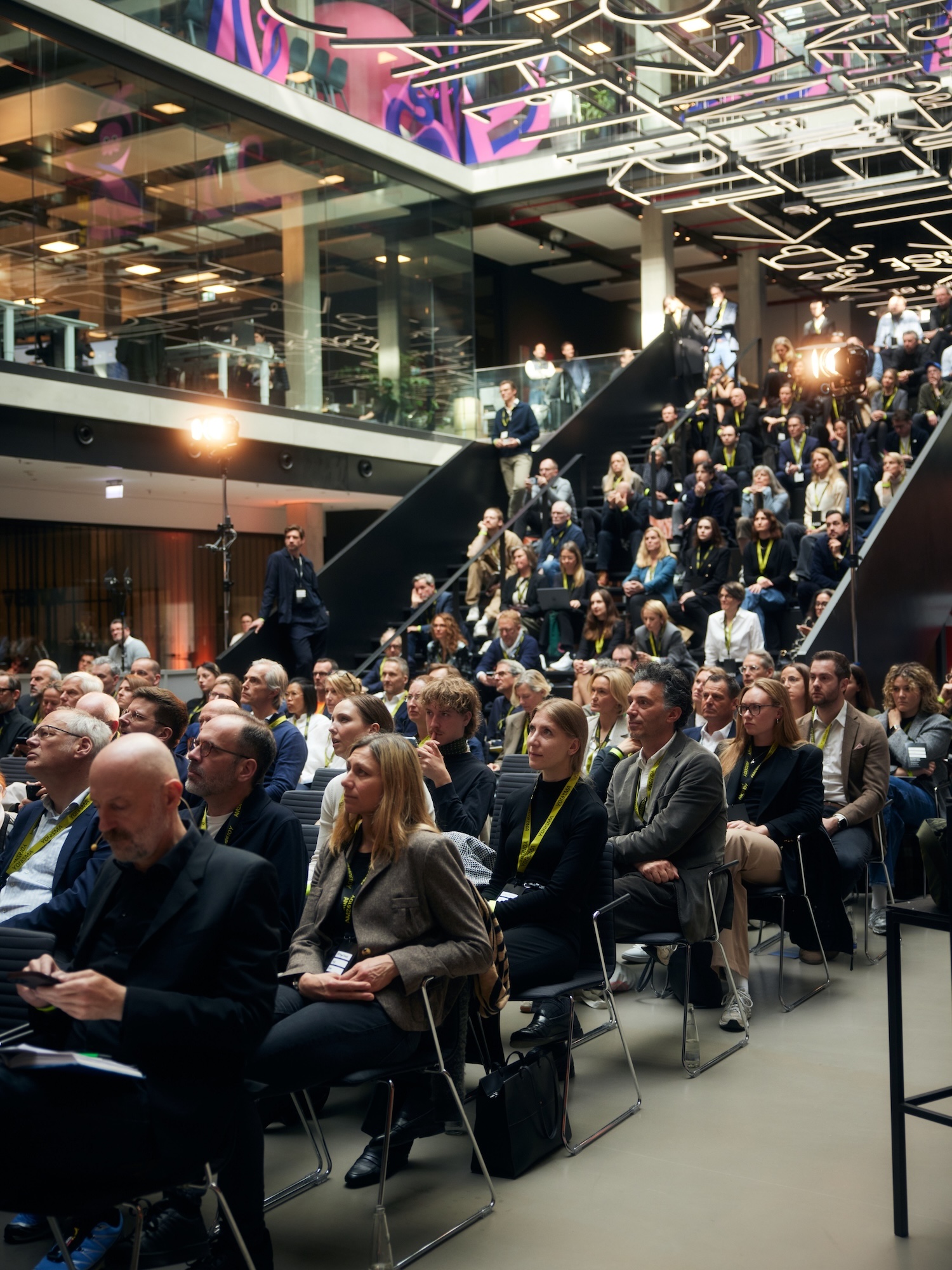
As in previous years, the conference once again took place at the House of Communication on the iCampus of R&S Immobilienmanagement in Munich’s Werksviertel district. Its open atmosphere, generous communication areas, and numerous breakout spaces and seminar rooms—complete with kitchen facilities—provided an ideal setting for a conference spanning multiple formats, from plenary sessions with around 350 participants to small-group workshops.
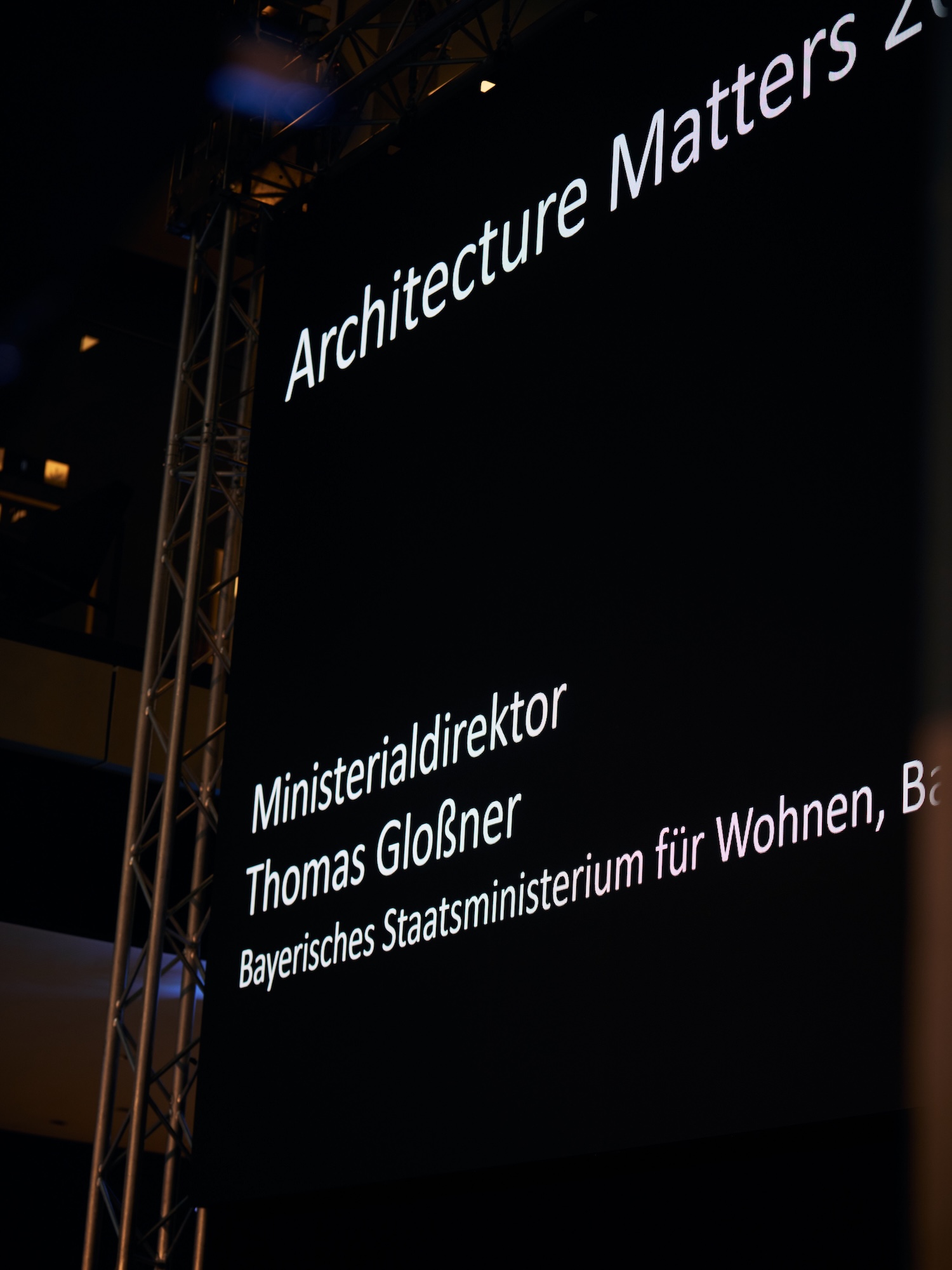
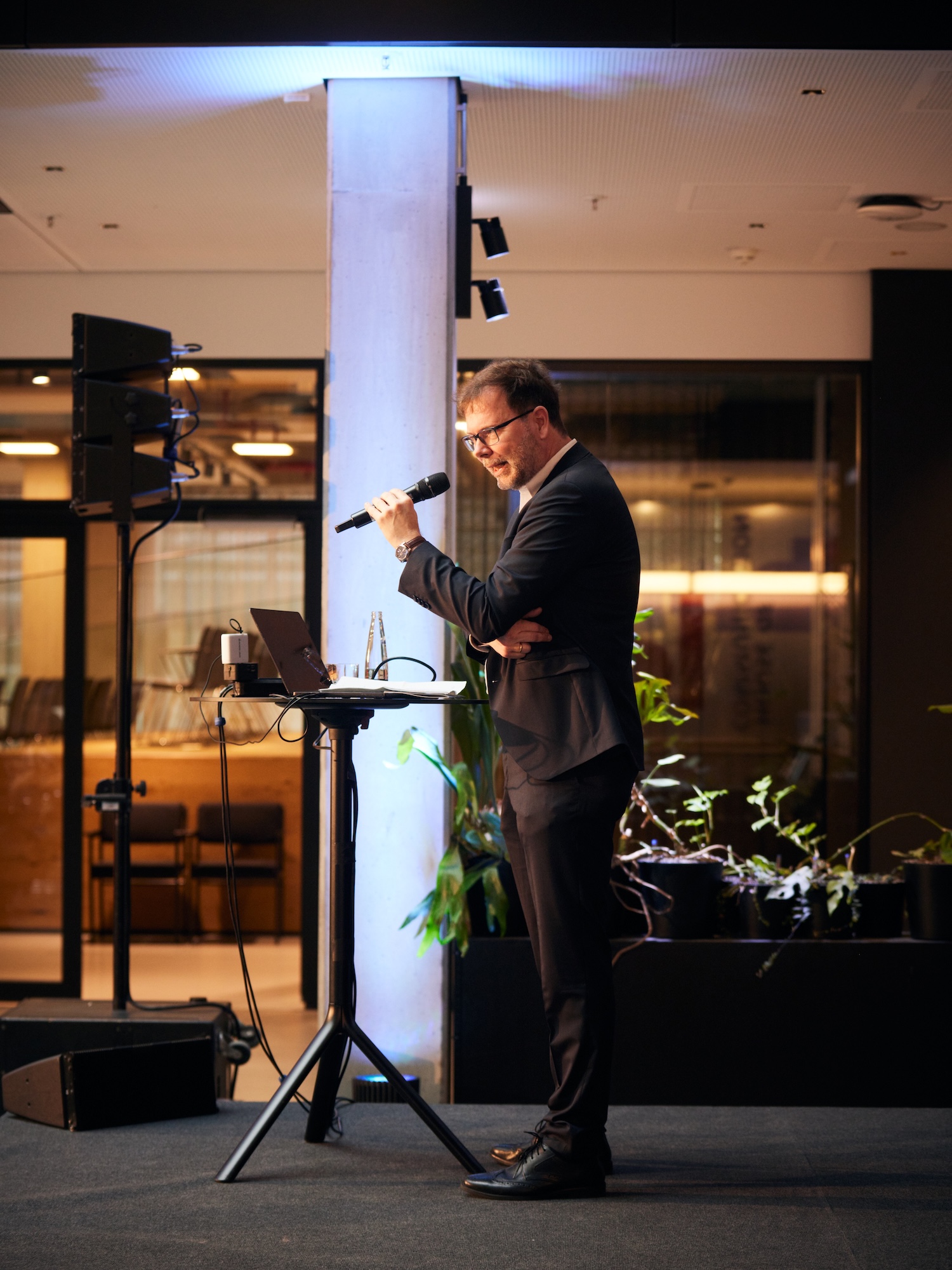
In his opening remarks, Thomas Gloßner, Ministerial Director at the Bavarian State Ministry for Housing, Building and Transport, speaking on behalf of Thomas Bernreiter, highlighted the growing conflicts of objectives in policymaking. In times of uncertainty and limited resources, prioritization becomes inevitable—yet it is precisely this process that gives rise to competing goals. As an example of potential new regulatory approaches in Bavaria, he cited the introduction of the “Gebäudetyp e,” which may offer societal benefits while simultaneously raising questions of liability under civil law.
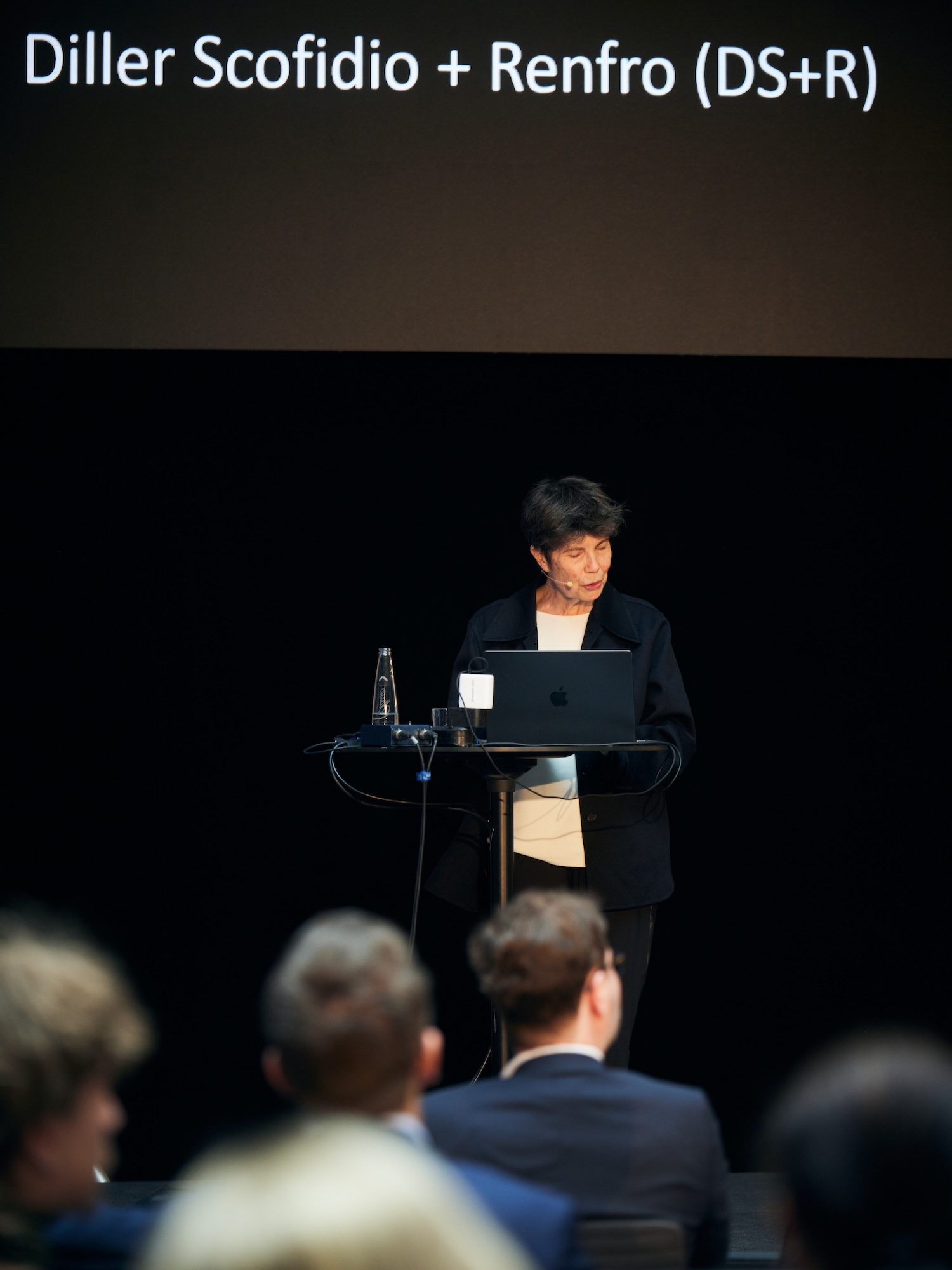
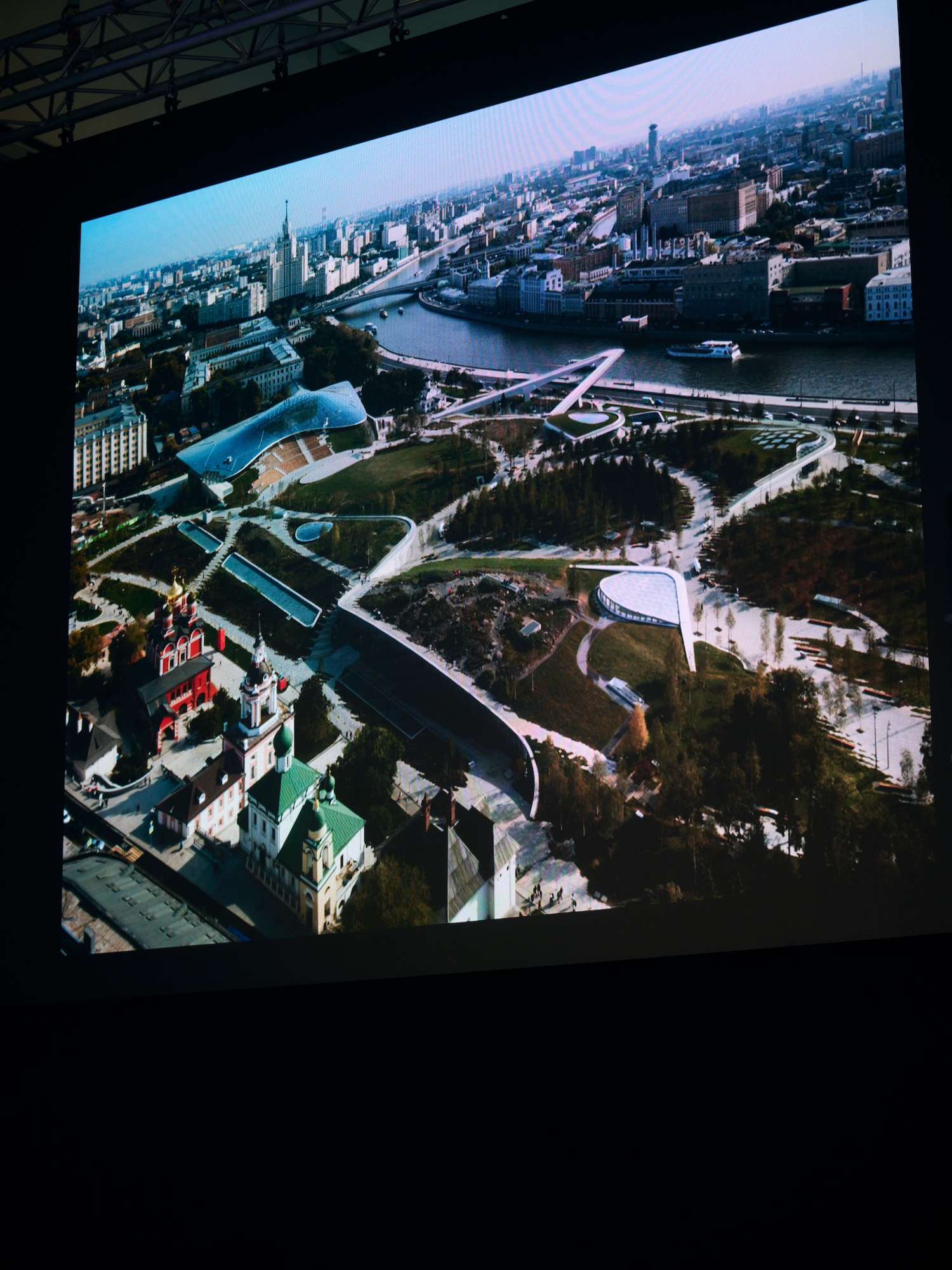
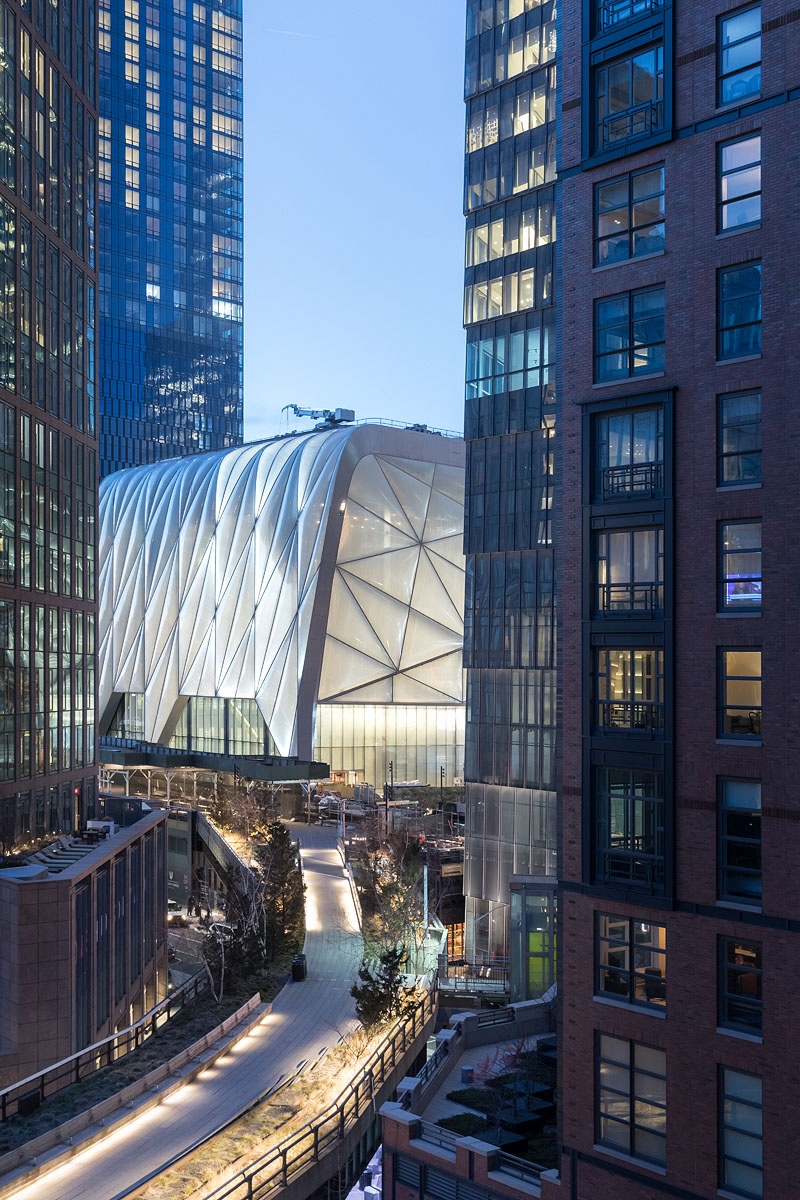
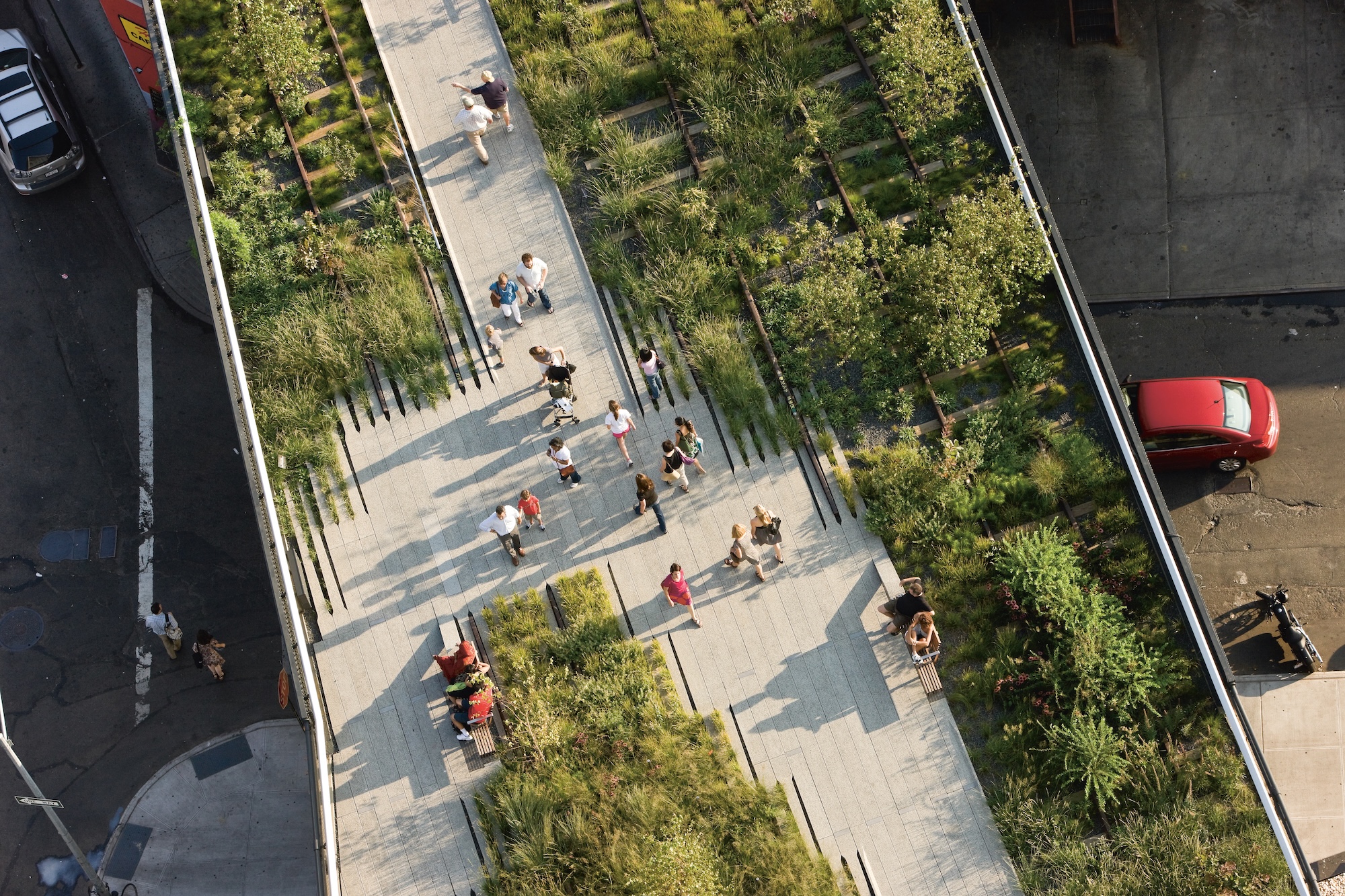
Liz Diller presented additional world-renowned projects that illustrate the influence of individual actors on the city. The derelict High Line—an elevated railway track in Manhattan’s Meatpacking District—was slated for demolition to increase the real estate value of the surrounding properties. Instead, Diller Scofidio + Renfro created what is arguably the world’s most famous new landscape park on the raised structure. The value of neighboring properties rose far more through preserving the line than it would have through its demolition. The “High Line effect” has since been emulated in many major cities around the world, much like the “Bilbao effect” in the 1990s.
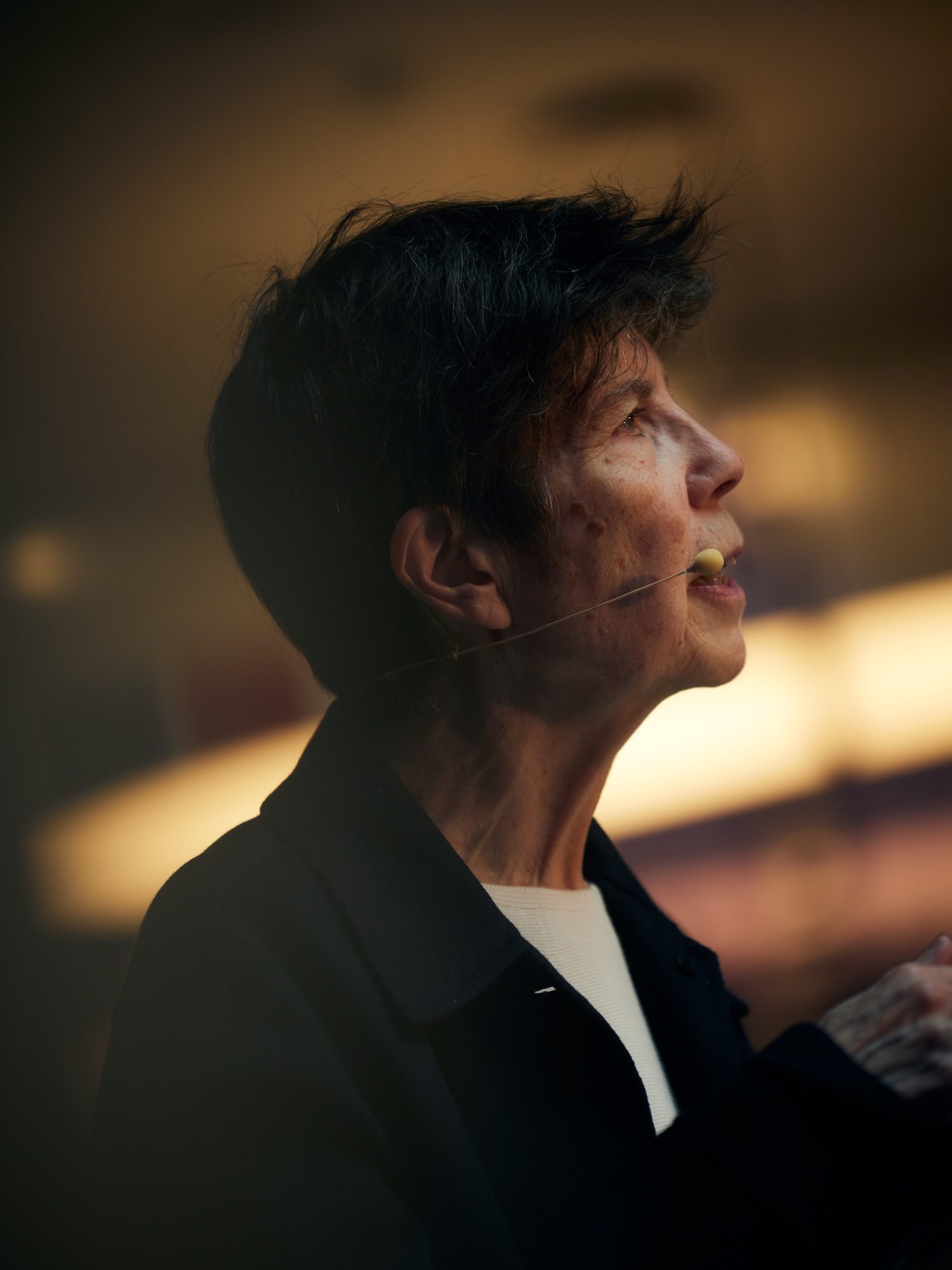
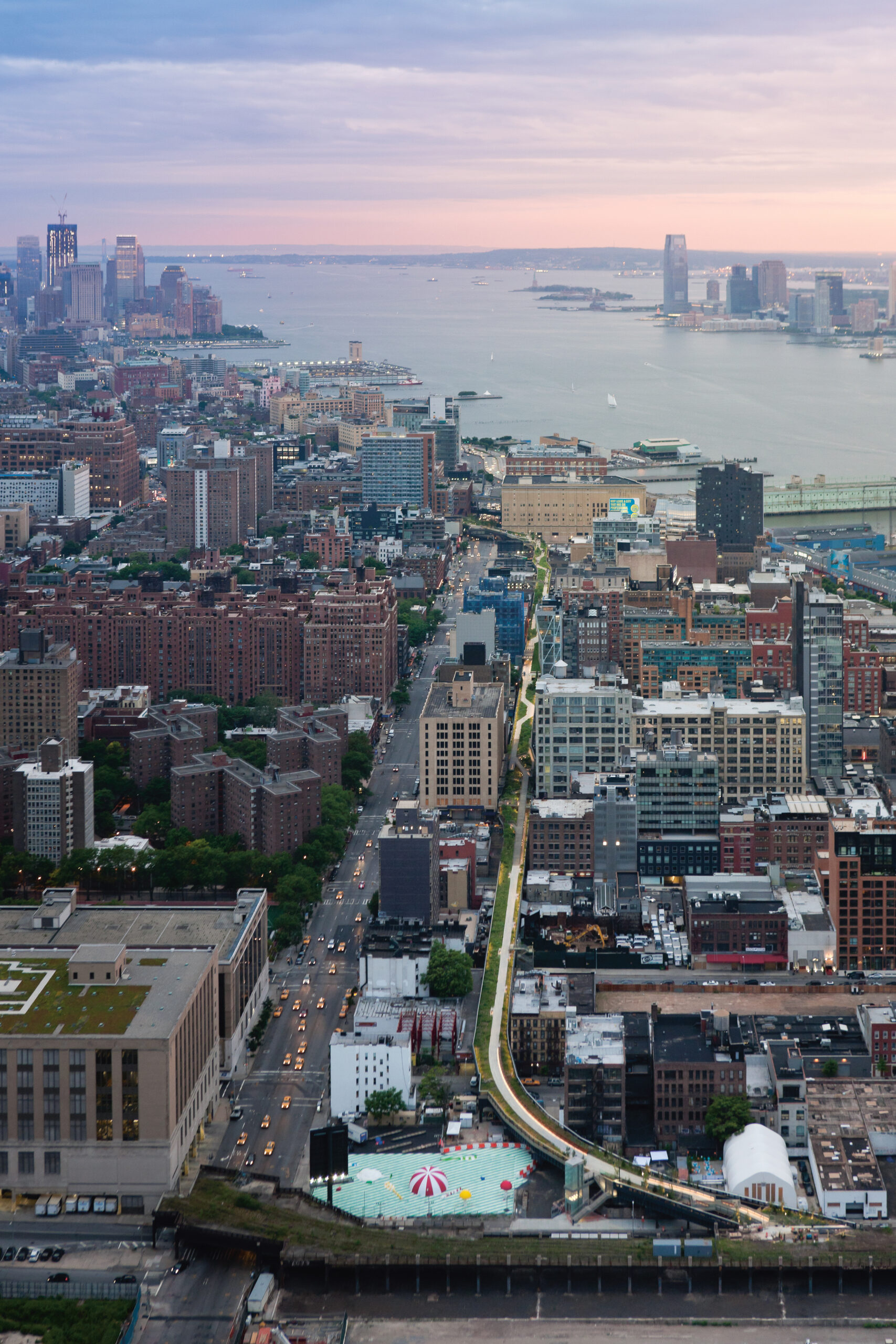
Elisabeth Diller and her team developed the Shed—the cultural center marking the northern end of the High Line—over the course of four years without a commission and without remuneration. Only once the plans were completed did investors come forward to realize the vast arts center with its retractable canopy.
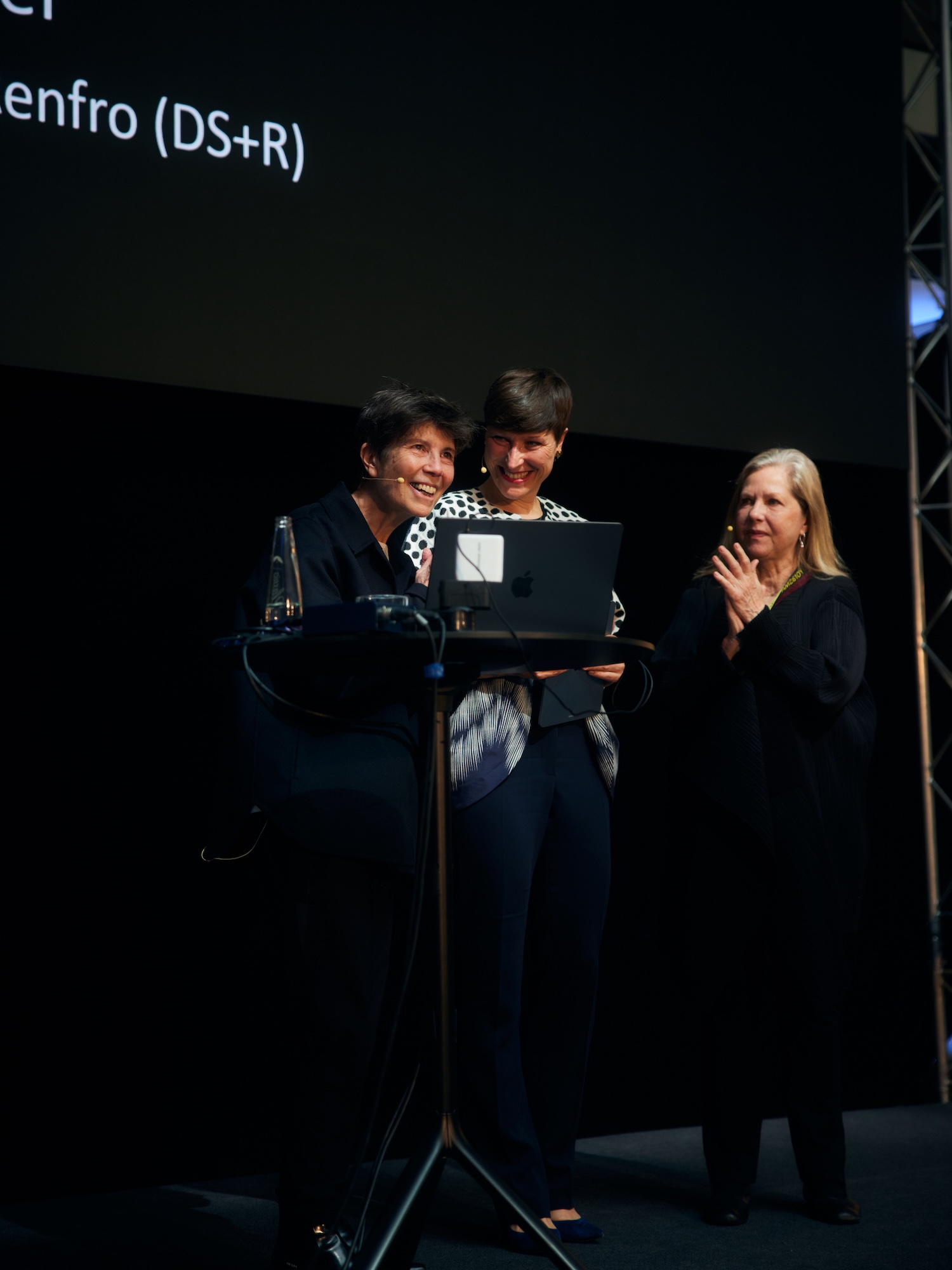
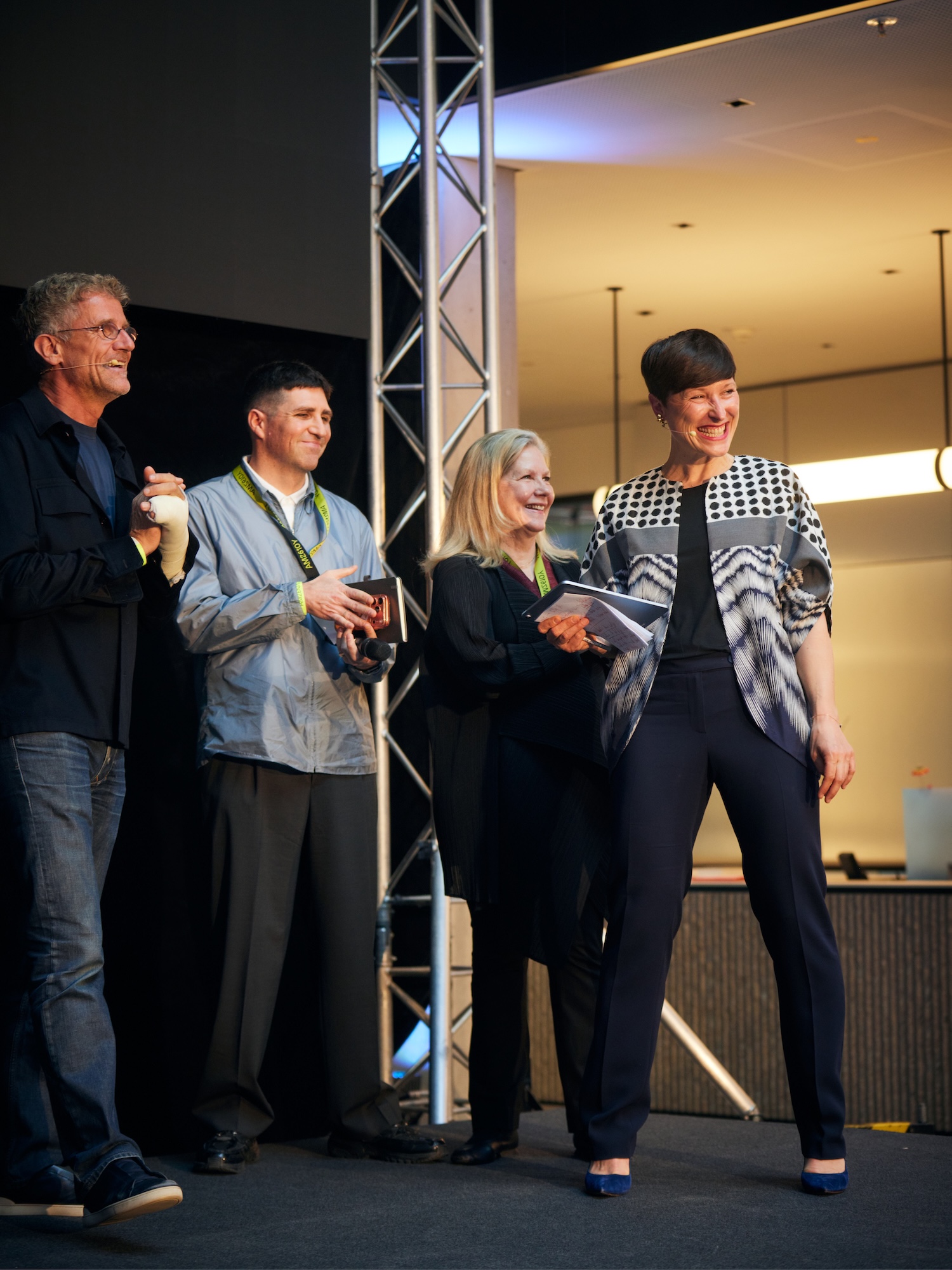
In the subsequent conversation with Martha Thorne, who served for many years on the Pritzker Prize jury, Diller explained how sensitive the issue of women in architecture remains today. In Doha, the capital of Qatar, her office built the first mosque for women in the Arab world beneath a spectacular, sweeping roof. Until its opening, the project was kept out of the media to avoid provoking potential misogynistic opposition or acts of sabotage.
The topic of women in architecture in everyday practice was then explored further in one of the focus sessions, moderated by Regula Lüscher.

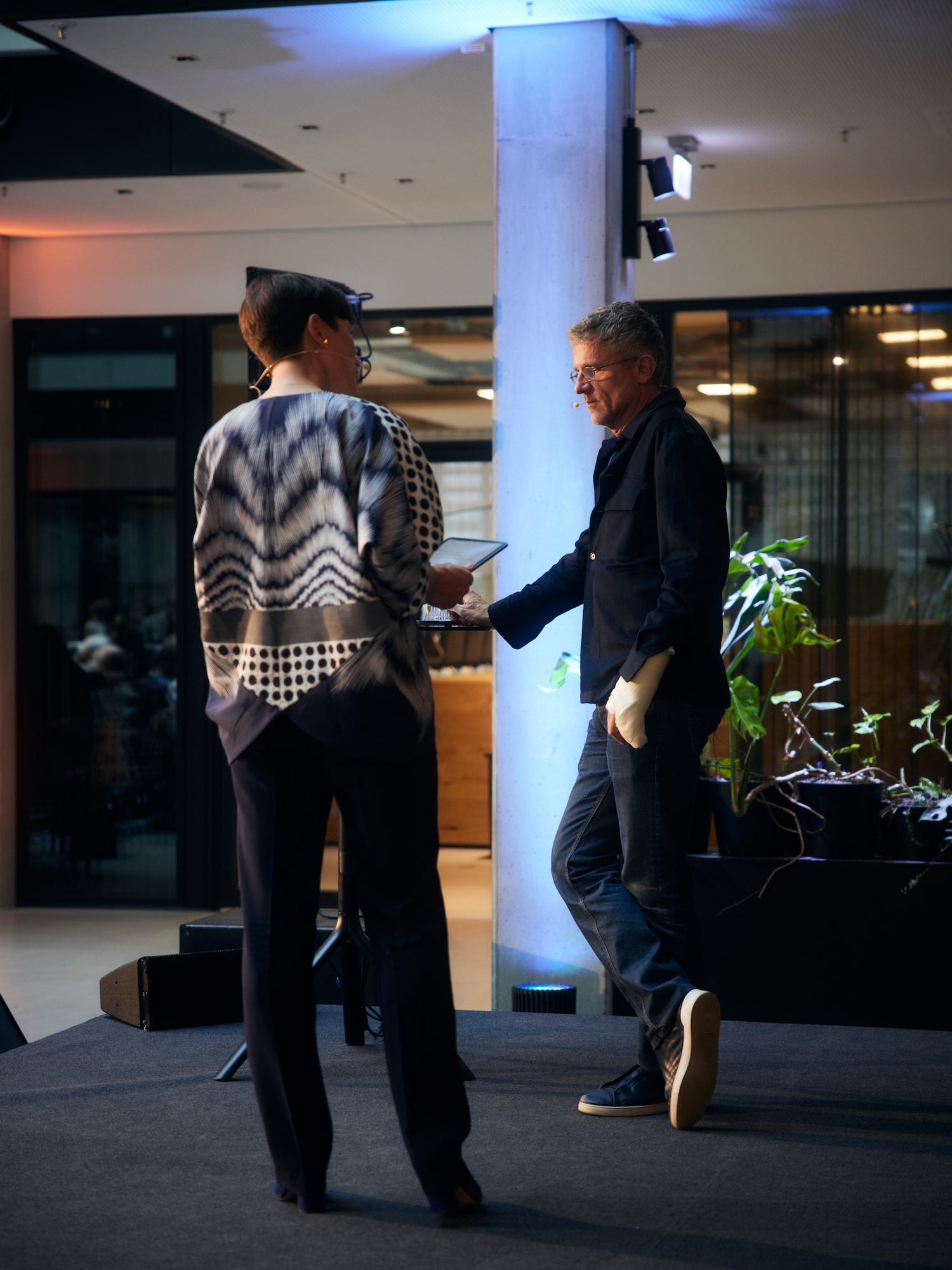
Drawing on his own projects, Ratti demonstrated the kinds of places where such encounters can occur—where people who were previously strangers begin to communicate with one another. He sees performative architecture as a catalyst, such as the visitor-controlled water curtain of the Expo pavilion in Zaragoza, or the public park set halfway up a high-rise building in Singapore.
As a model for the shared experience of culture, nature, and water, the 2025 Biennale director still points to Aldo Rossi’s Teatro del Mondo from 1980. Referencing this project, he collaborated with Howeler + Yoon last summer to realize a floating visitor platform, which, following the Biennale, was towed across the Atlantic to Belém in Brazil to draw attention to rising sea levels at the World Climate Conference.
“Every time I publish a book, I also appear at Architecture Matters.” Reinier de Graaf, partner at the Rotterdam-based architecture firm OMA, is a guest for the fourth time. Alongside his active work as an architect, Reinier has established himself as an internationally renowned author. In 2017, he began with Four Walls and a Roof: The Complex Nature of a Simple Profession. This was followed in 2021 by the novella The Masterplan, in 2023 by architect, verb, and now by Architecture against Architecture: A Manifesto.
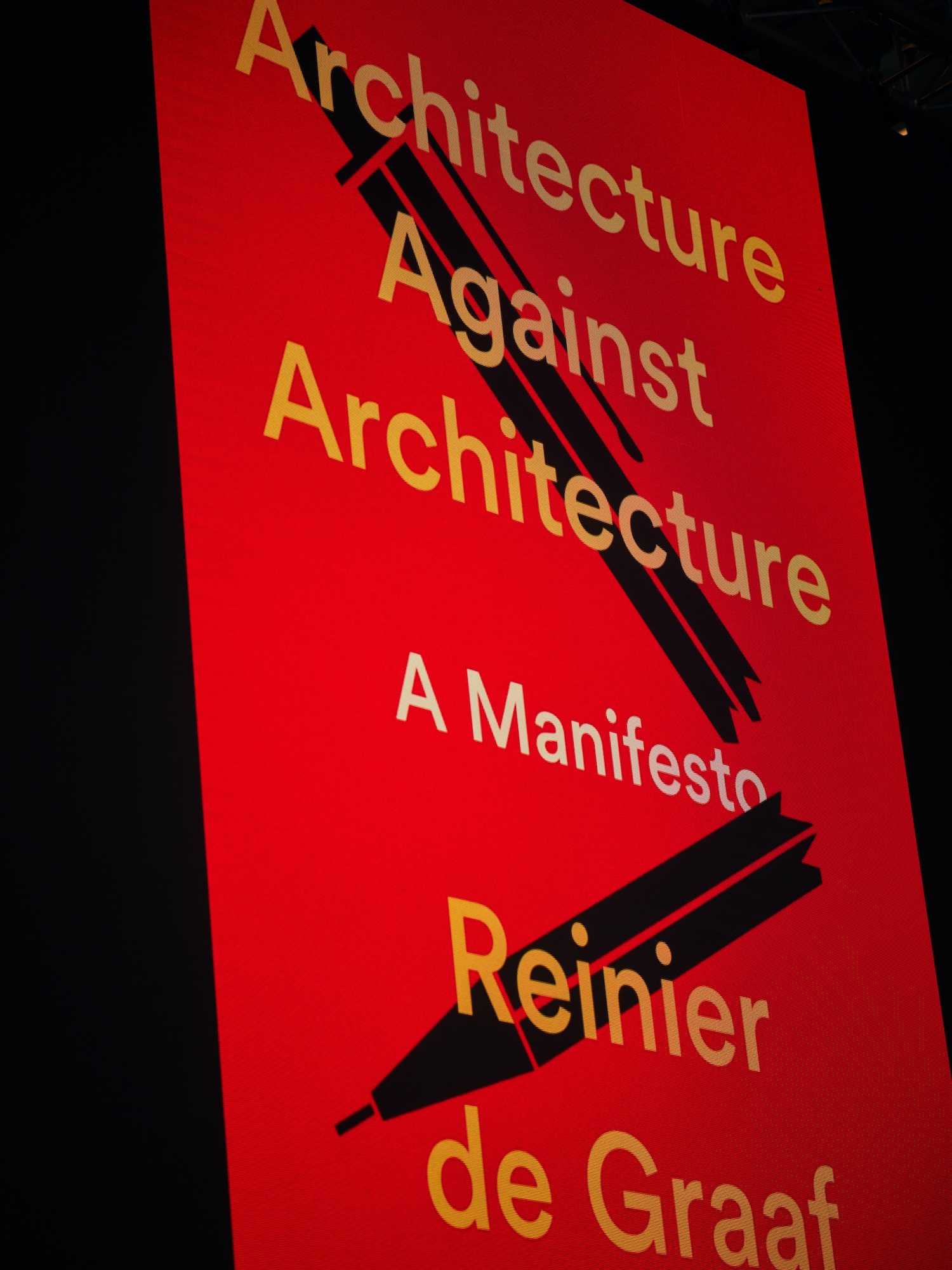
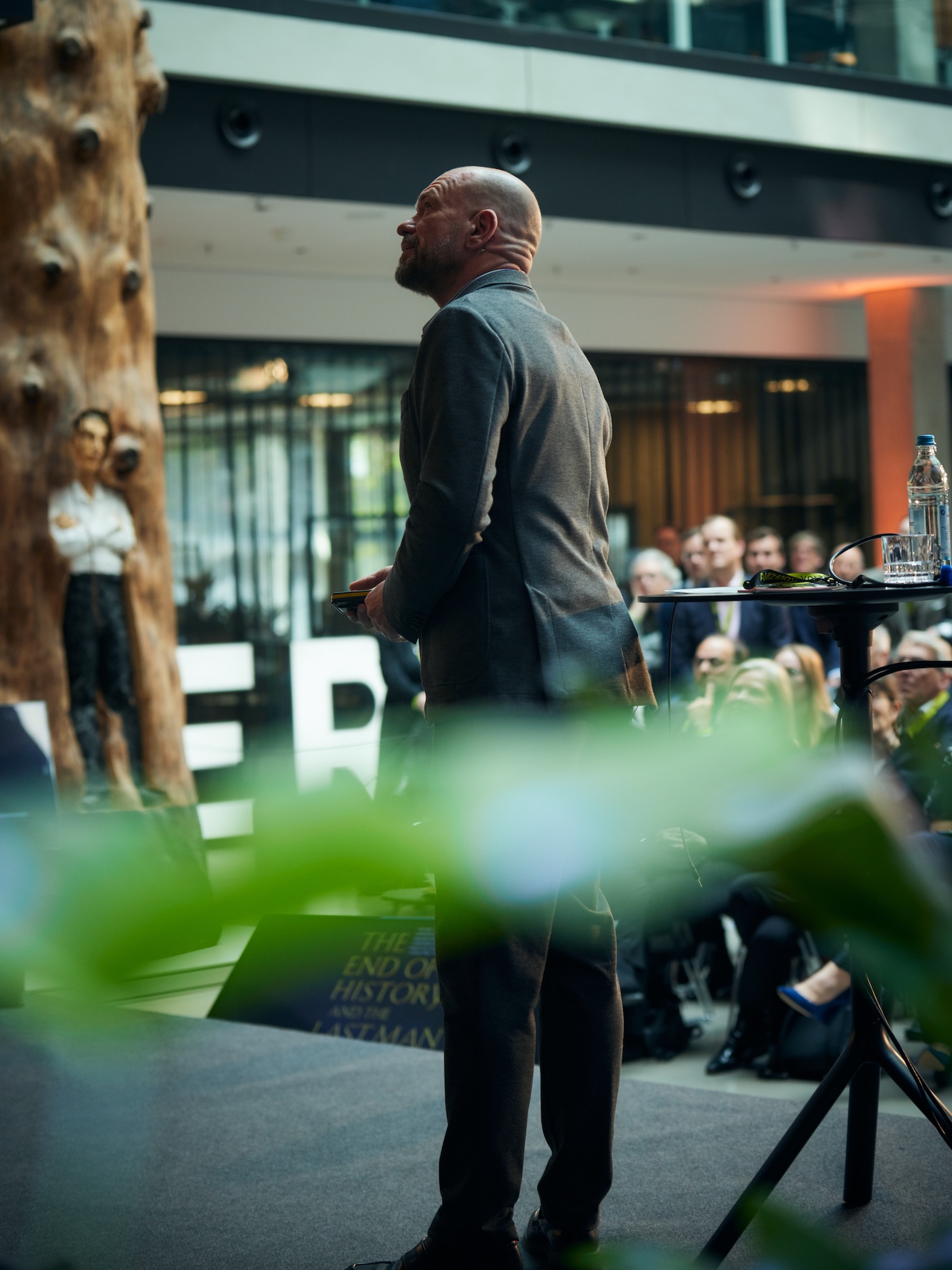
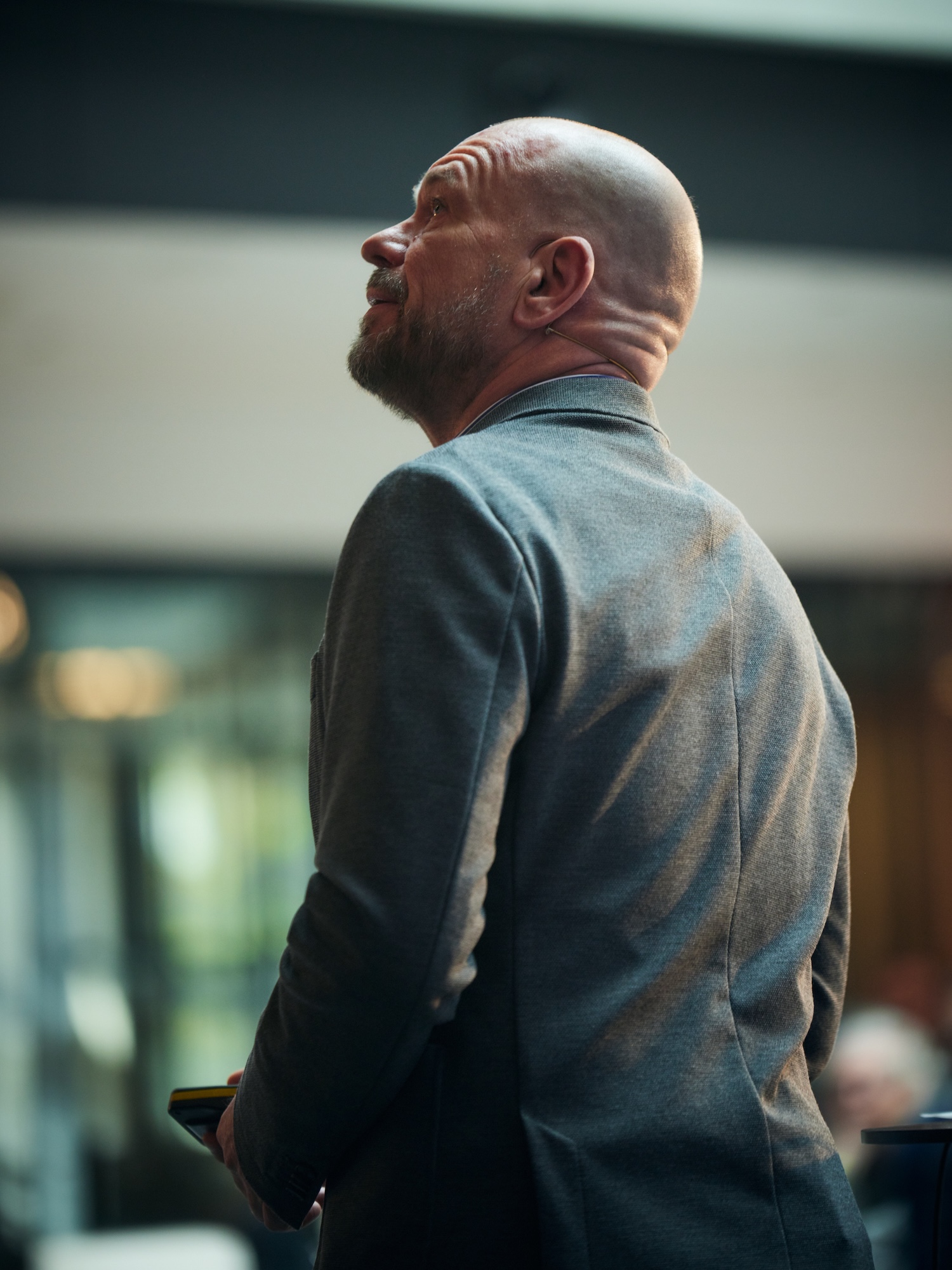
Instead of giving a reading, the eloquent architect presented his 14 theses for a better architectural world in the form of a lecture delivered in wry, slightly sardonic English. With critical, at times cynical yet always illuminating remarks, he put his finger—chapter by chapter of his manifesto—on wounds that are largely inflicted by architects themselves and usually remain unspoken, almost taboo within the profession.
He addressed, for example, the rise and fall of star culture through the case of David Adjaye, and the existential impact of a media scandal on his more than 100 employees—half of whom were dismissed following the reports, without a court ruling and without any direct connection to the firm’s work or the architect’s projects. He also pointed to the imbalance between the value created by architecture and the compensation of those involved: the architect, of all people, ranks last.
De Graaf calls for trade unions for architects, the formation of collectives, the abolition of copyright, and trust in artificial intelligence as a means of preserving good taste. He advocates refraining from new construction as long as vacancies exist, and for adapting architecture to climate change—even to the extent of removing the word “sustainability” from the vocabulary.
At the end, Nadin Heinich pressed him on his most provocative demand: “Cut out the middlemen!” What this ultimately means is connecting architects directly with users and excluding all intermediaries who extract profit along the way. In effect, it implies nothing less than dismantling the entire real estate industry—whose many representatives were present in the audience and were left momentarily stunned.
In the subsequent conversation with David Basulto, founder of ArchDaily, the question of morality in building for despots resurfaced. “Morality is measured by what you do, not by whom you do it for,” de Graaf argued, pointing to increasingly autocratic tendencies even within Western democracies such as the United States.
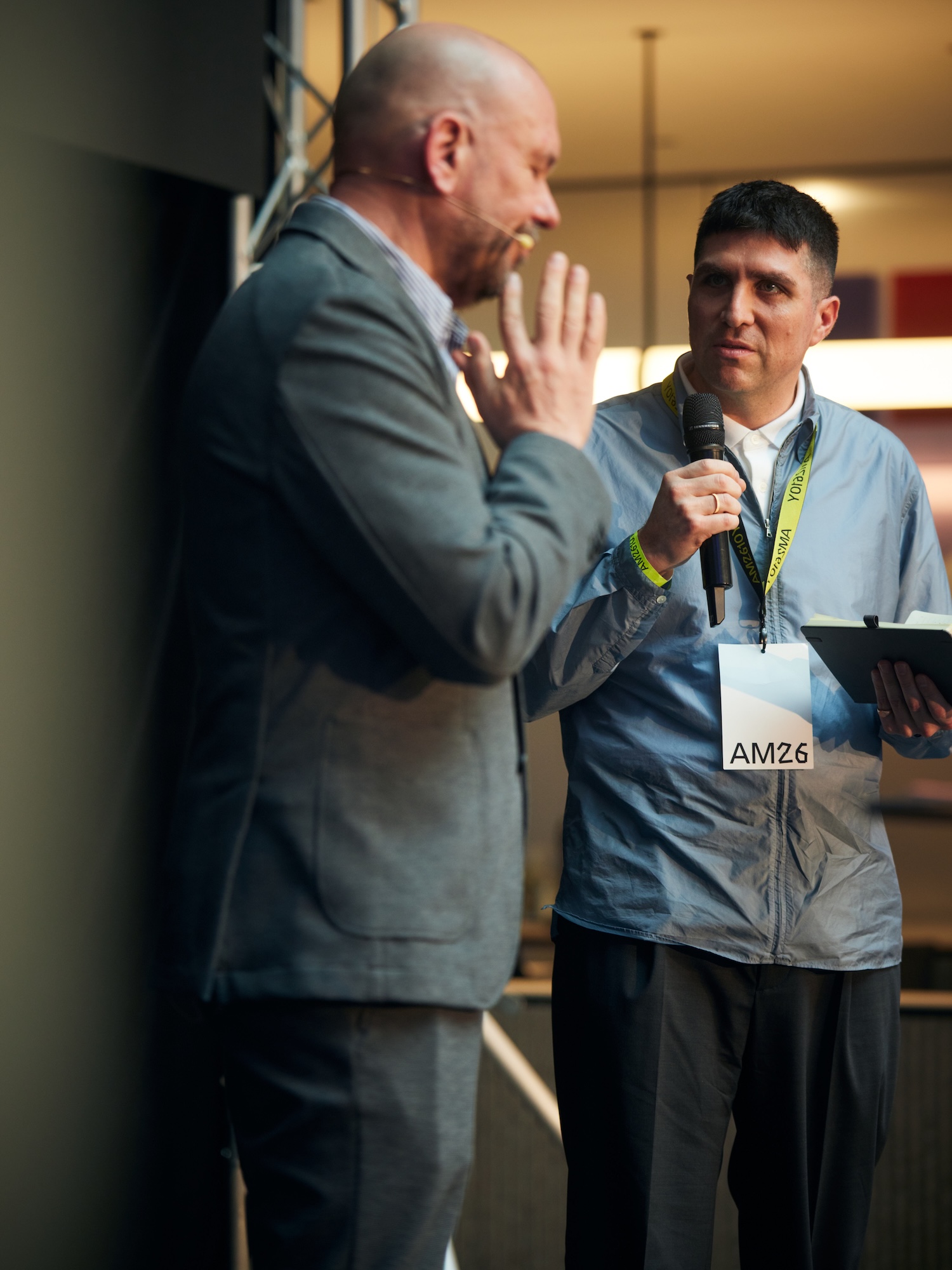
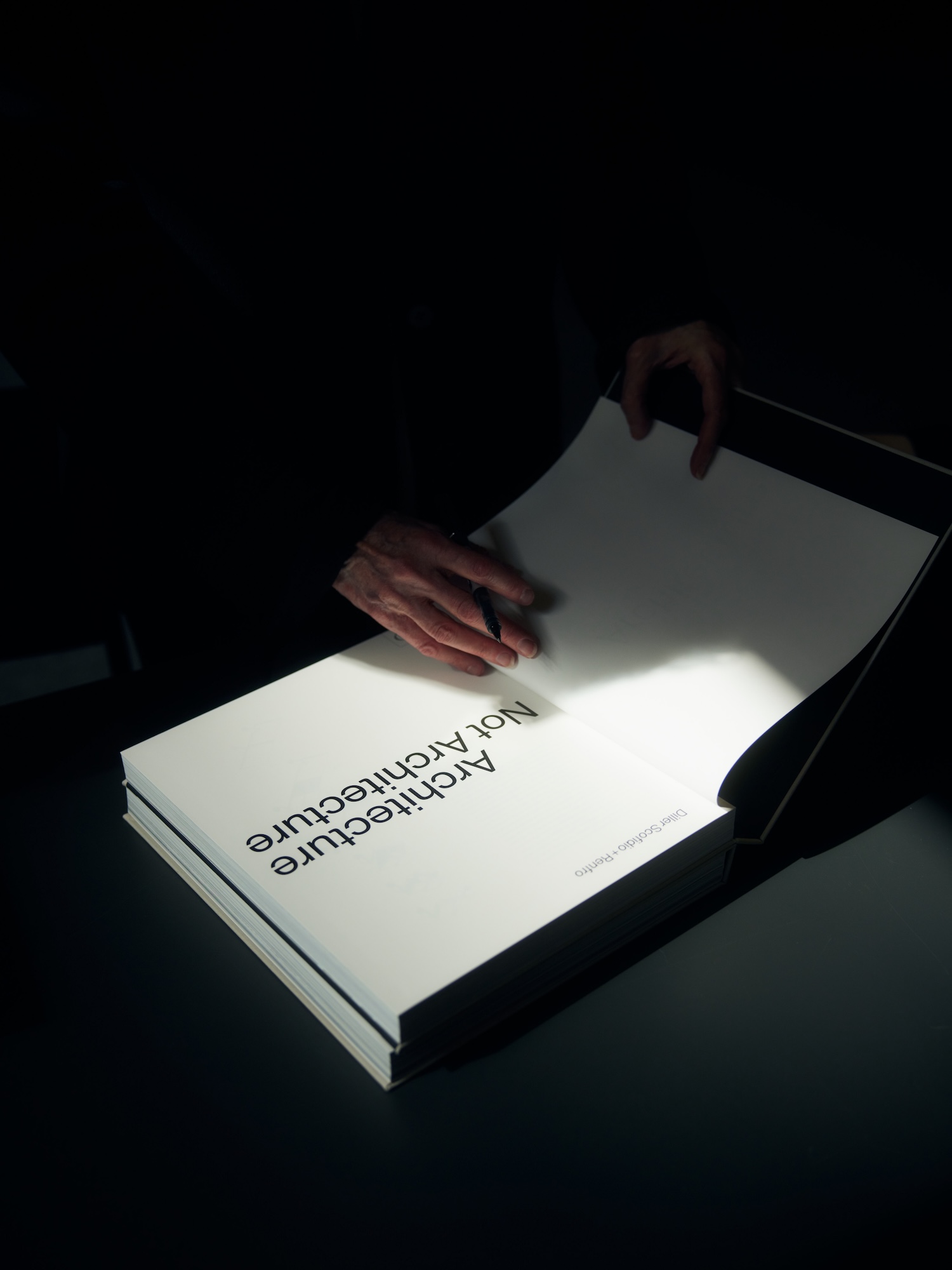
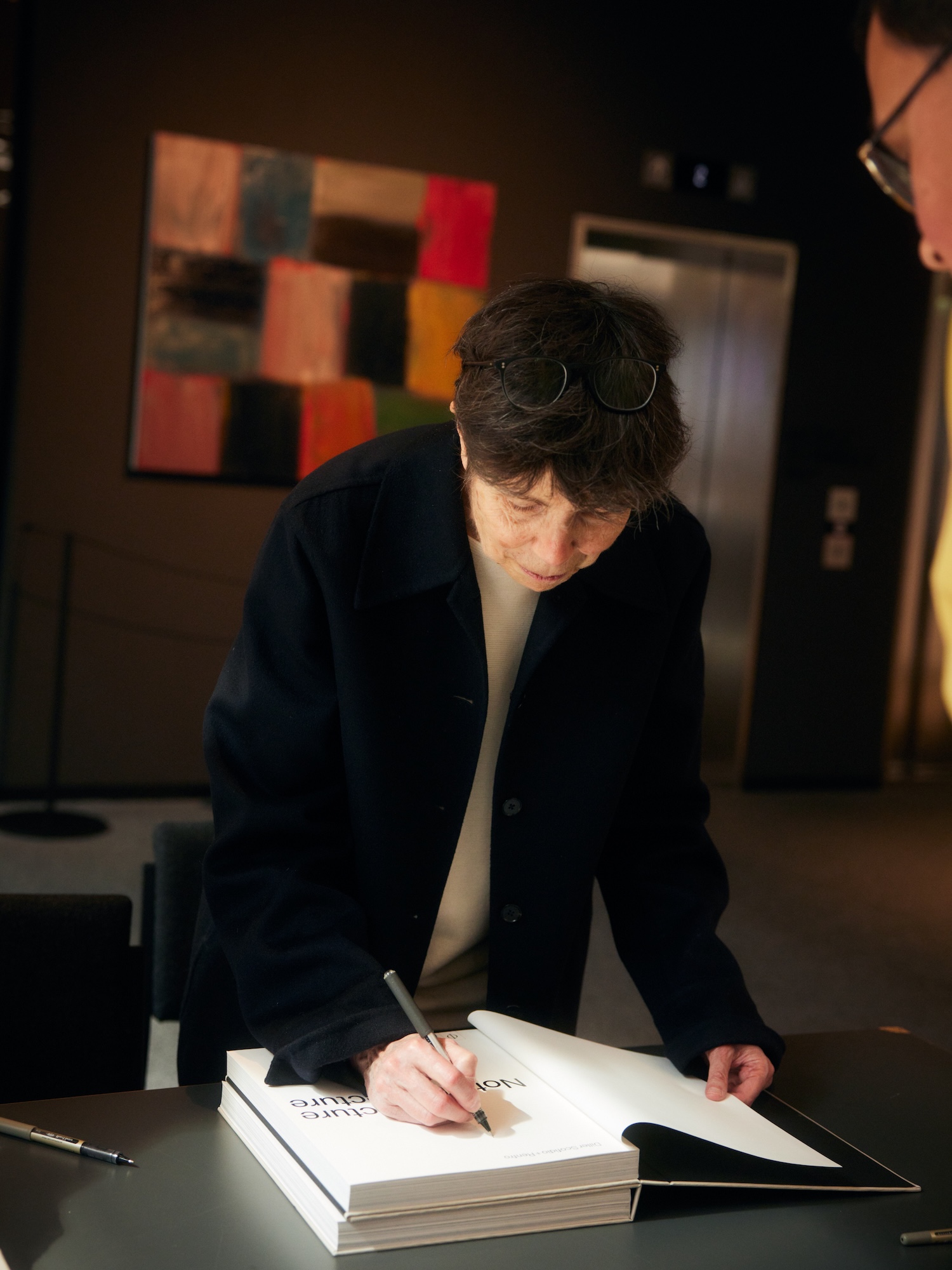
Meanwhile, in the gallery, visitors had the opportunity to purchase copies of Architecture against Architecture: A Manifesto and have them signed by Reinier de Graaf. Elisabeth Diller took ample time to personally dedicate her 2024 publication Architecture No Architecture.
Report: Frank Kaltenbach
Photos: Iwan Baan & Tanja Kernweiss
