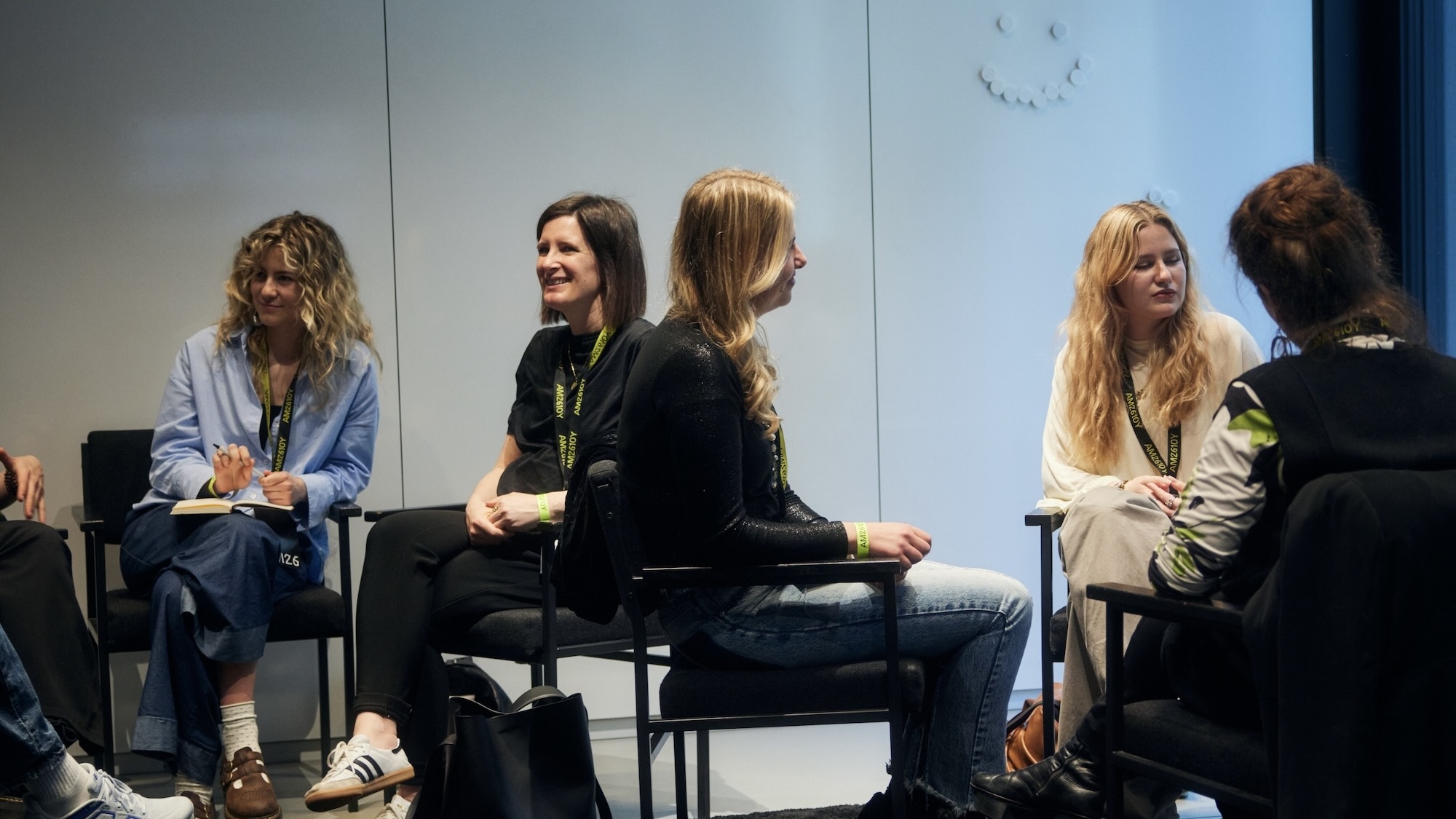
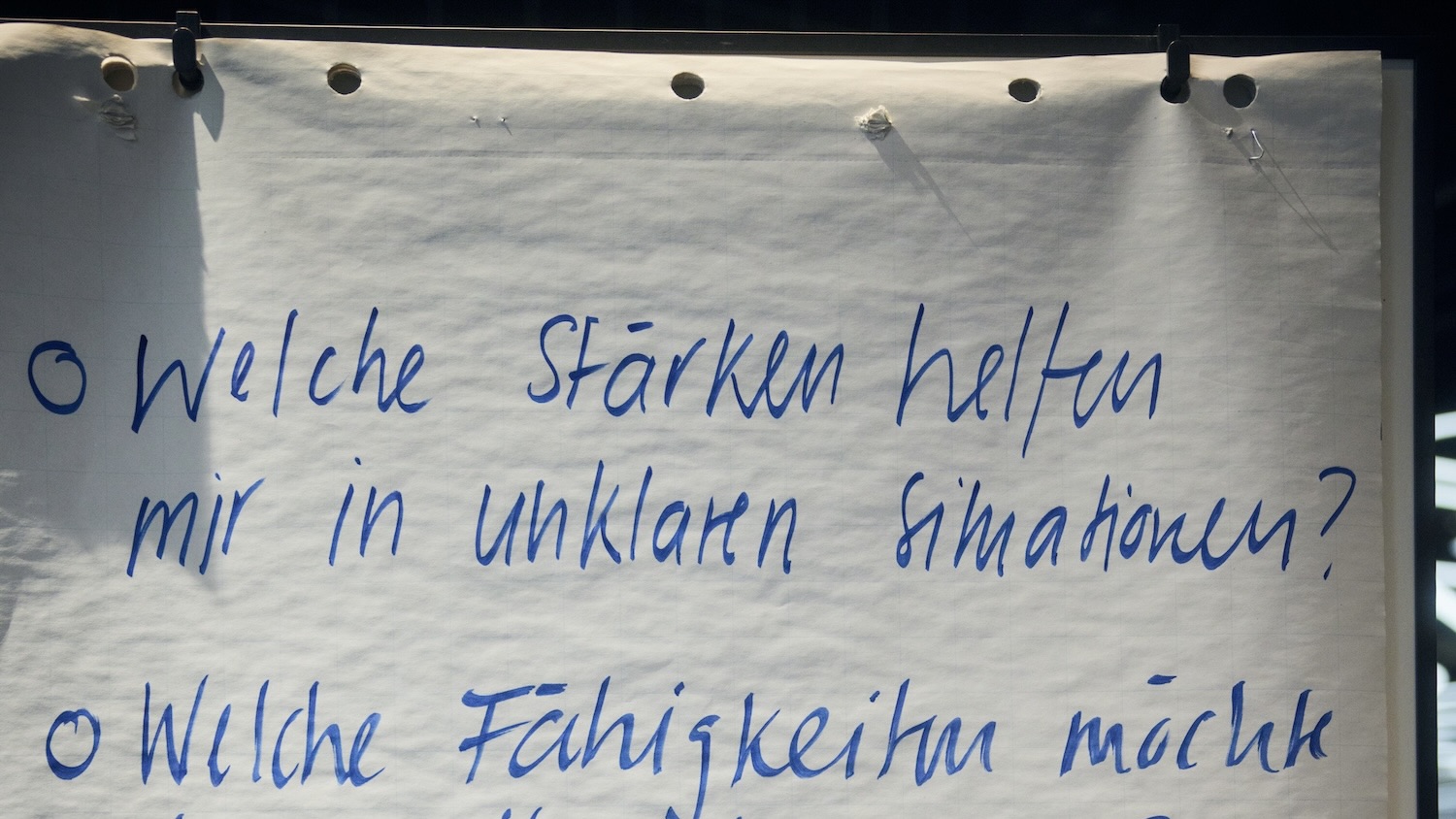
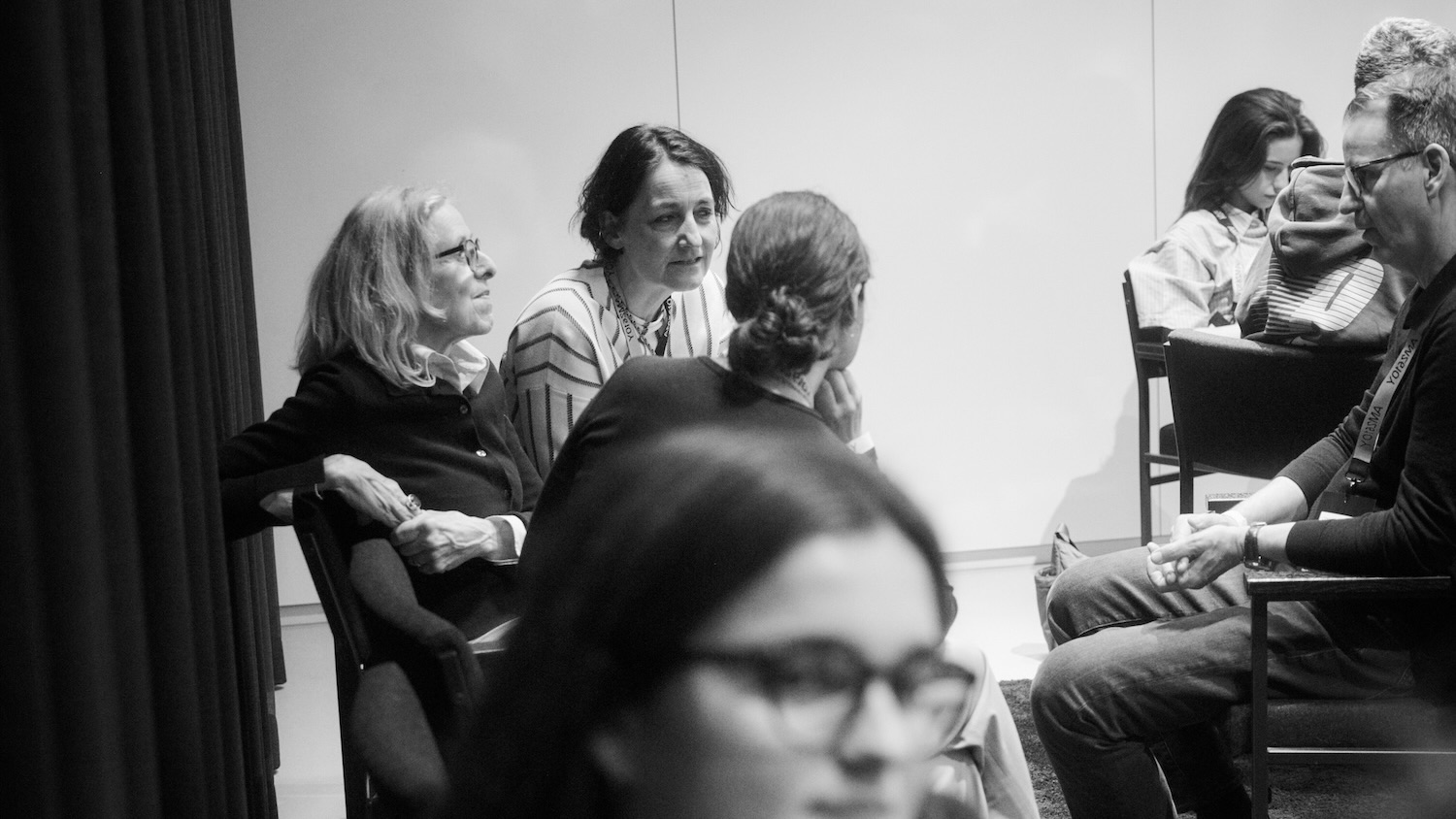
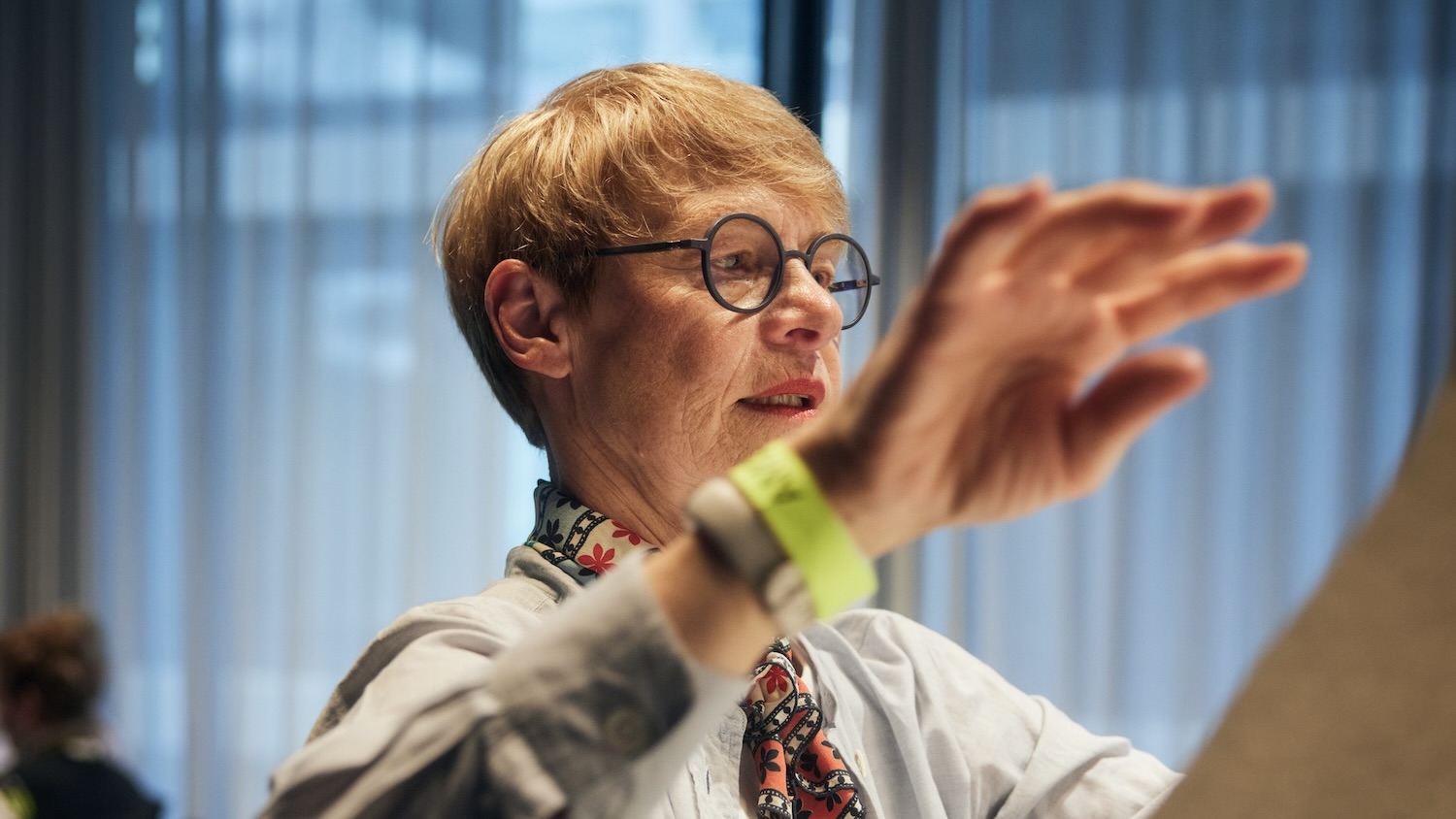
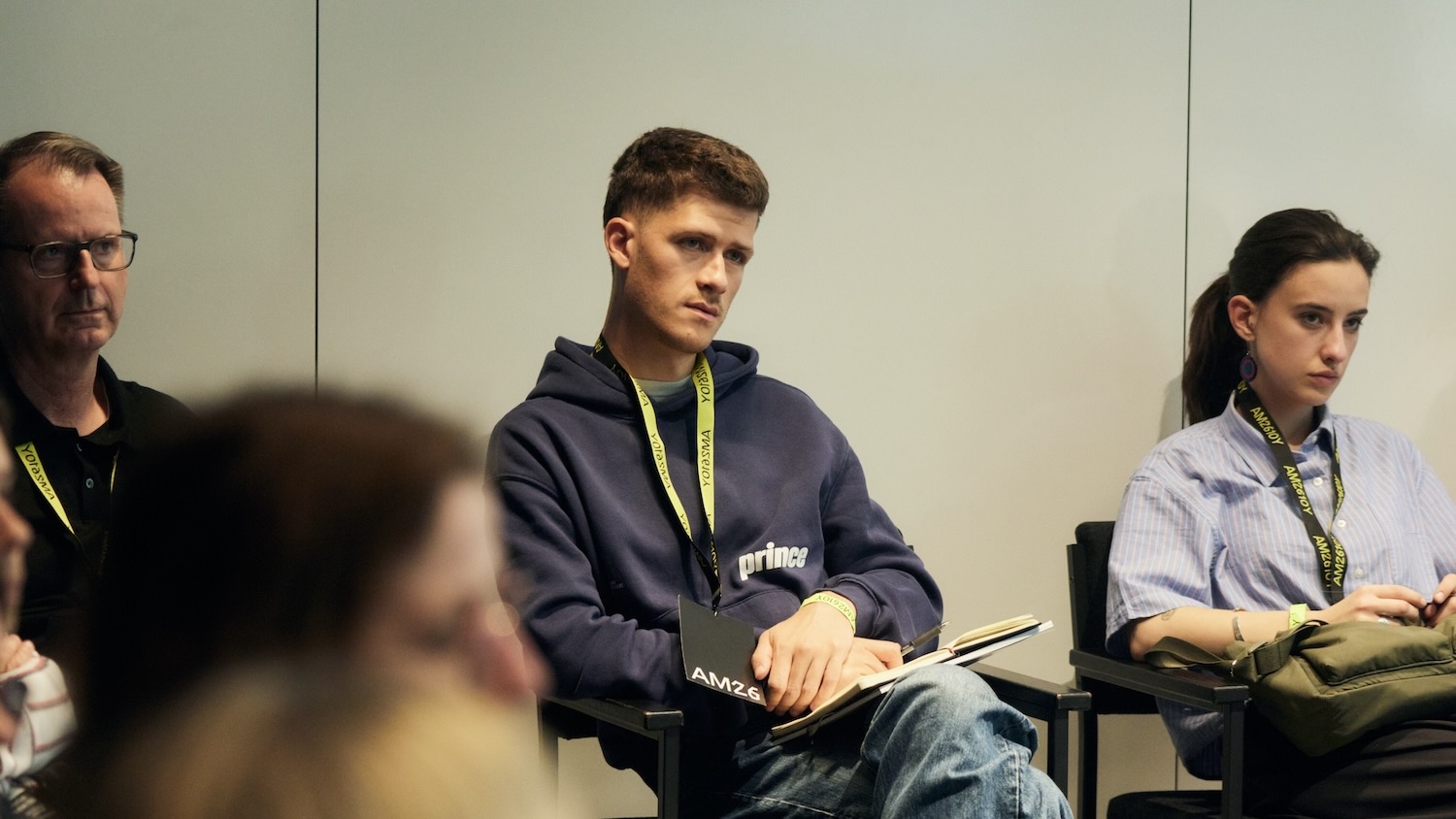
The Focus Session consists of several parallel roundtables with keynote impulses and conversations in a smaller group. It offers space to explore a topic in greater depth and to exchange ideas directly: How do you deal with the crisis? What does the future of building look like for you? What do you expect from, or wish for, from your counterpart?
Focus Sessions
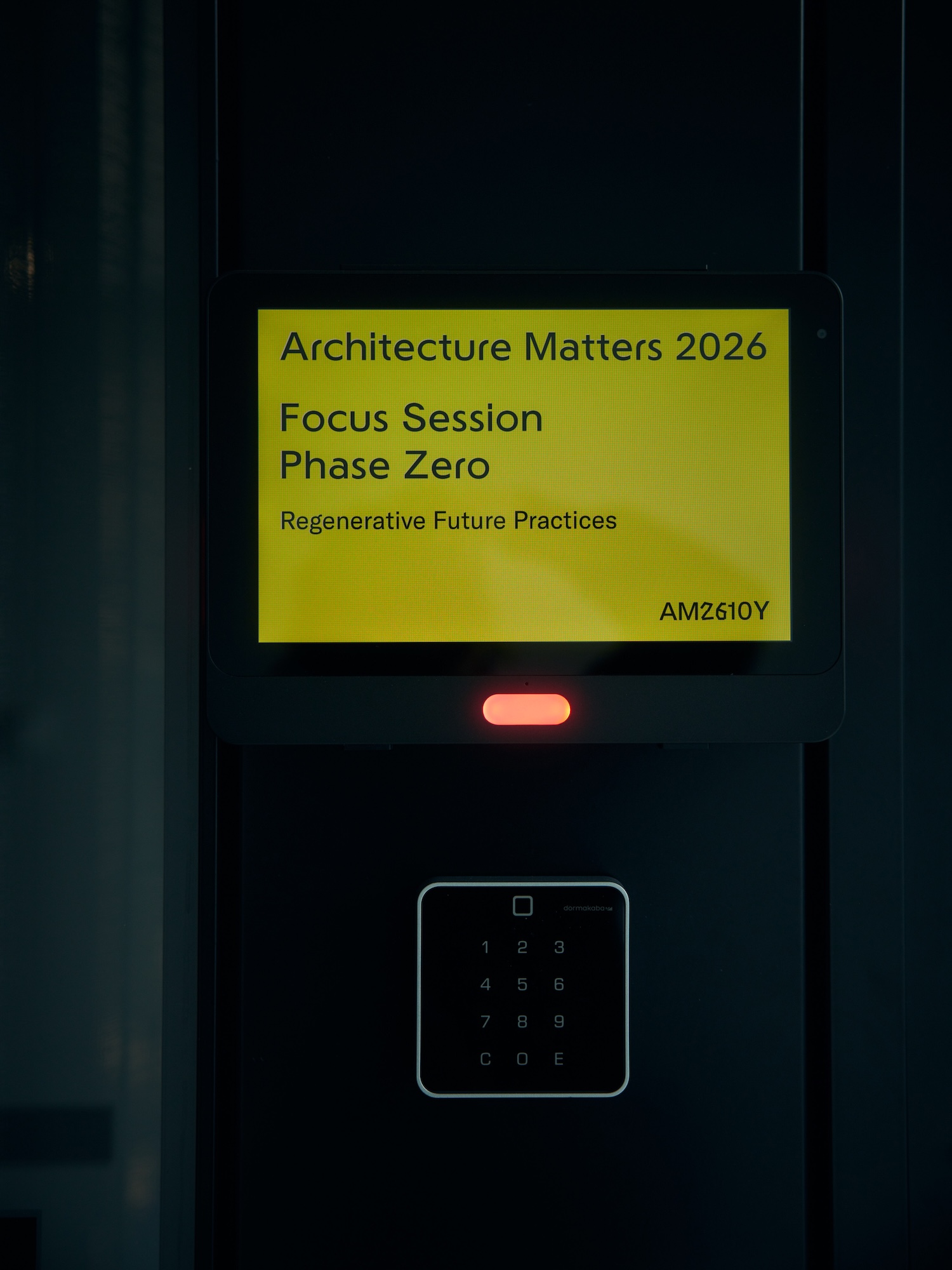
01 Phase Zero. Regenerative Future Practices
02 Focus Finance. How Do You Invest in the Face of an Uncertain Future?
03 AI. Beyond the Hype: Promise and Reality of AI
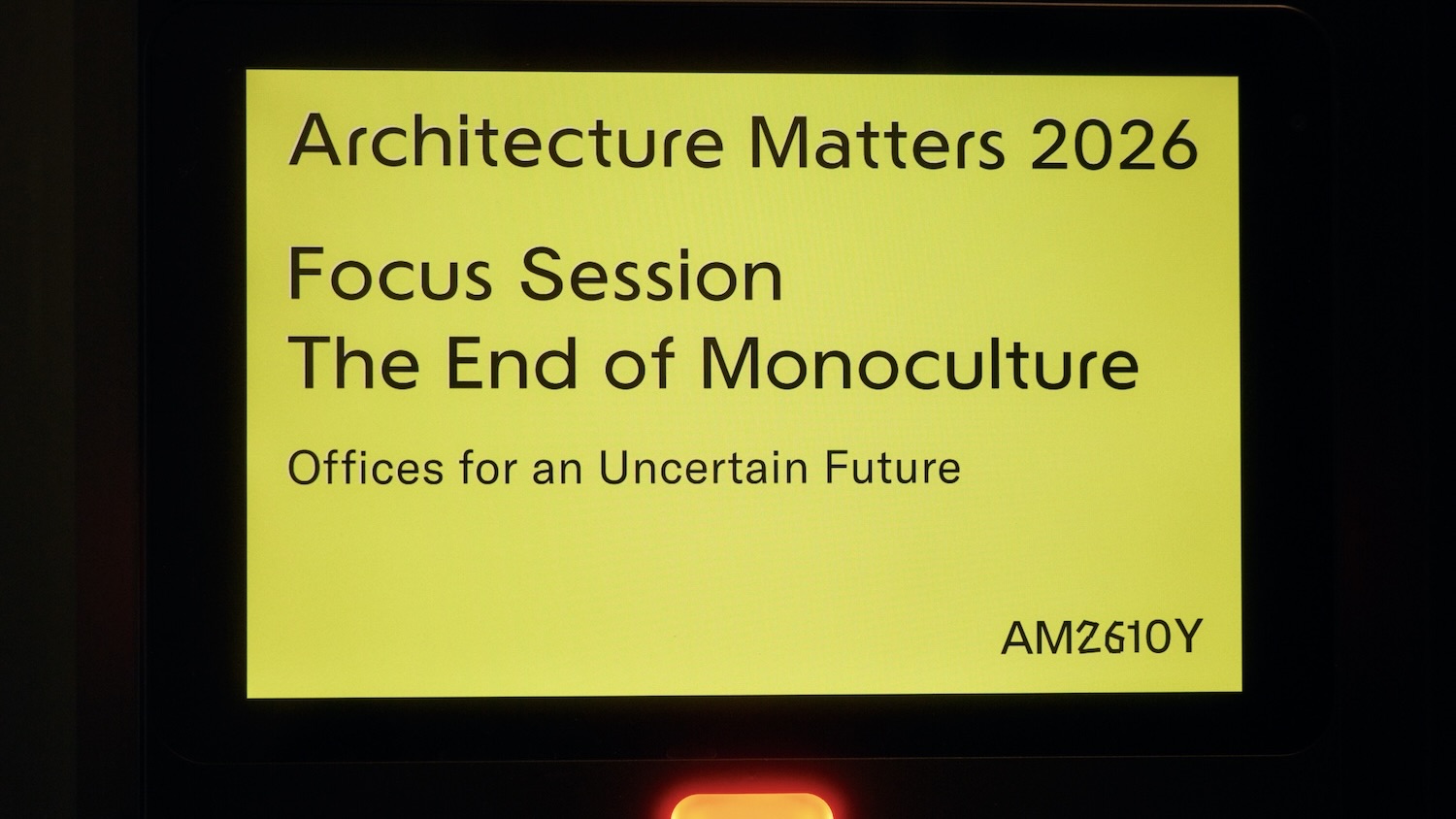
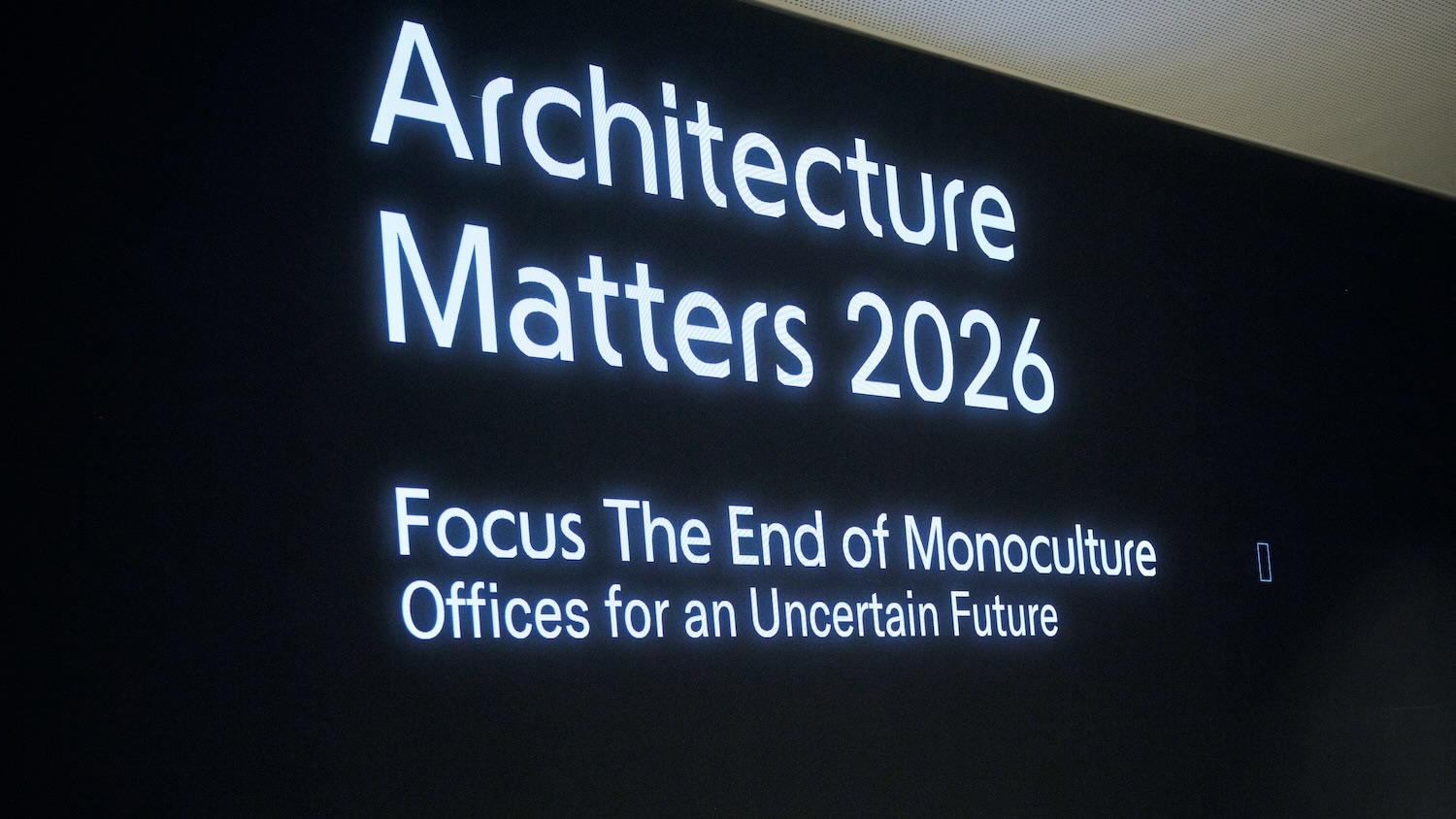
04 The End of Monoculture. Offices for an Uncertain Future
05 Light Industrial. The Return of Production
06 Female Focus
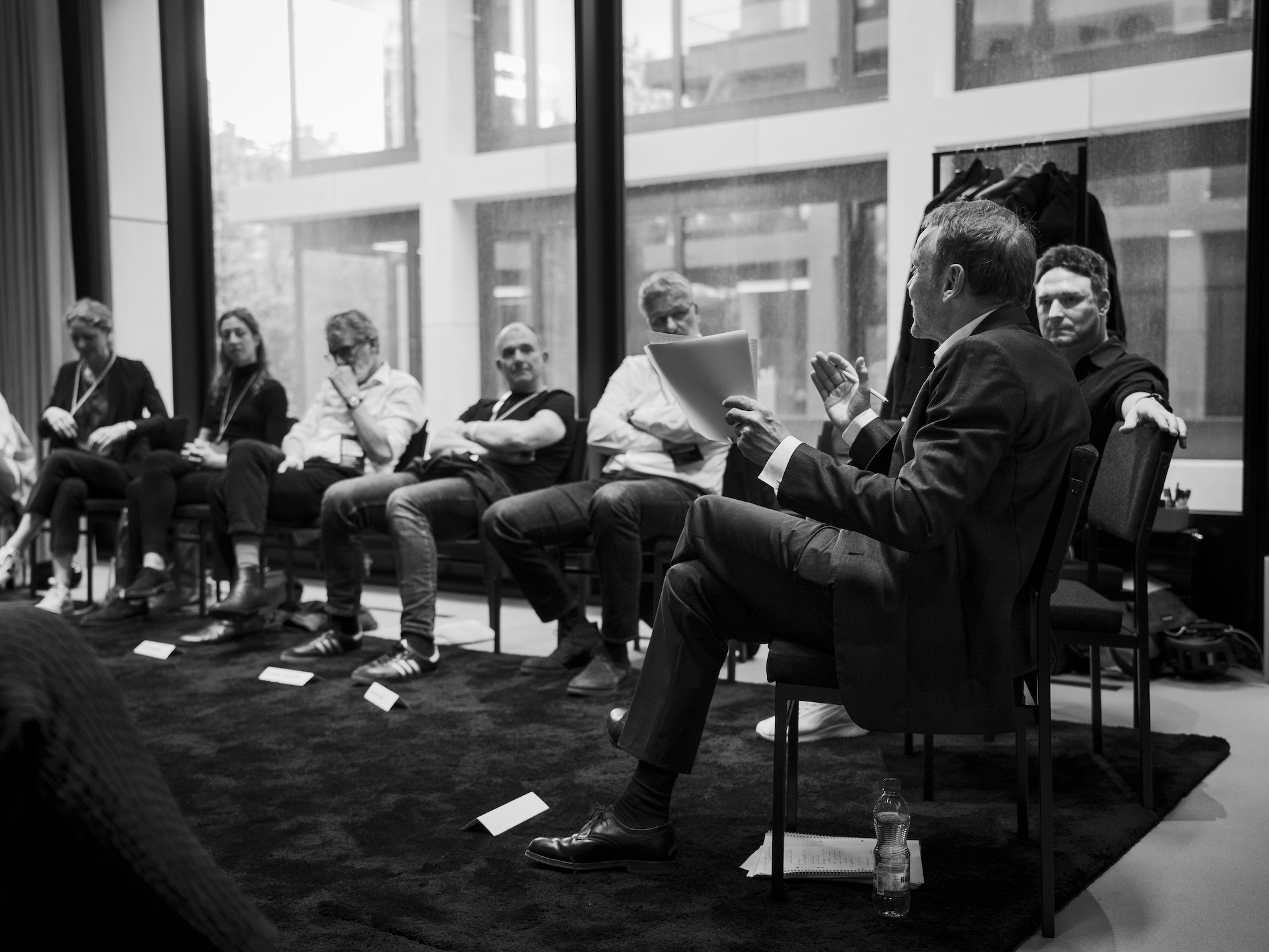
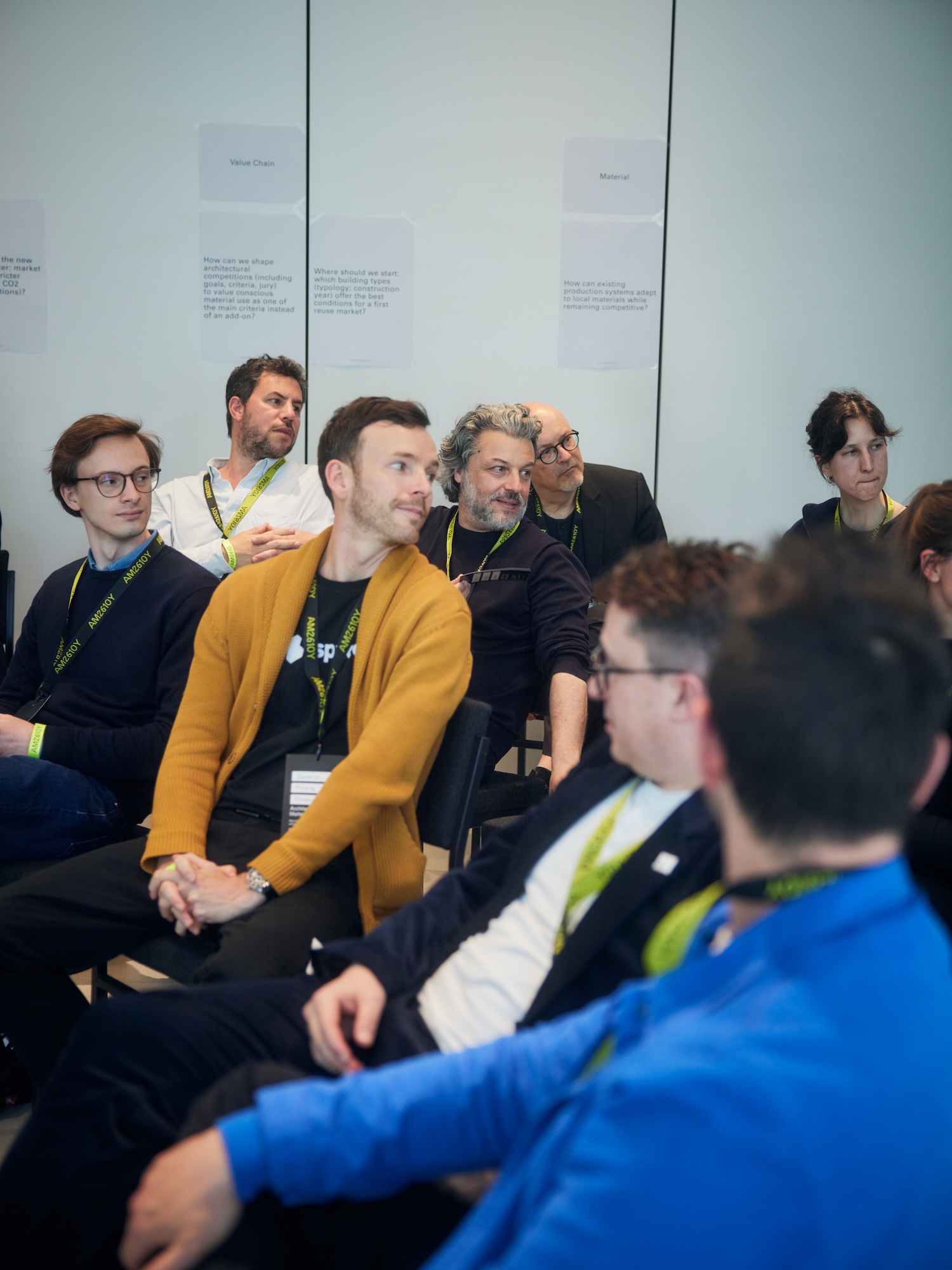
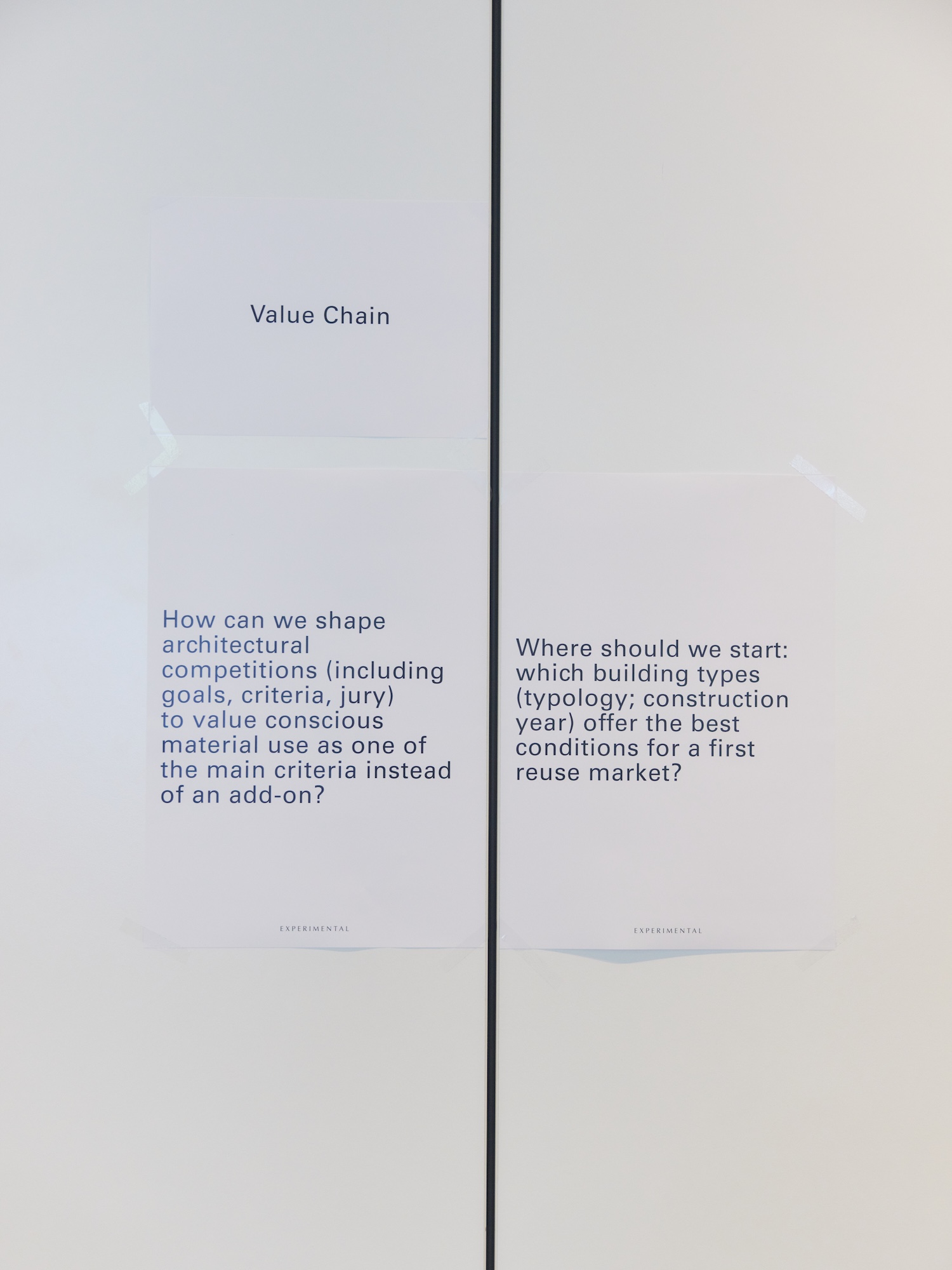
Led by Chrissie Muhr (Experimental Foundation), the Focus Session explored the challenges and opportunities of regenerative building practices. At the heart of the discussion was the question of how material cycles can be consistently closed and existing resources used more effectively.
Using examples from Ukraine, participants discussed how even contaminated war debris could be reused as a resource for future reconstruction projects. At the same time, attention turned to pioneering countries such as Denmark and Switzerland, which have already gained valuable experience in urban mining and the development of material databases.
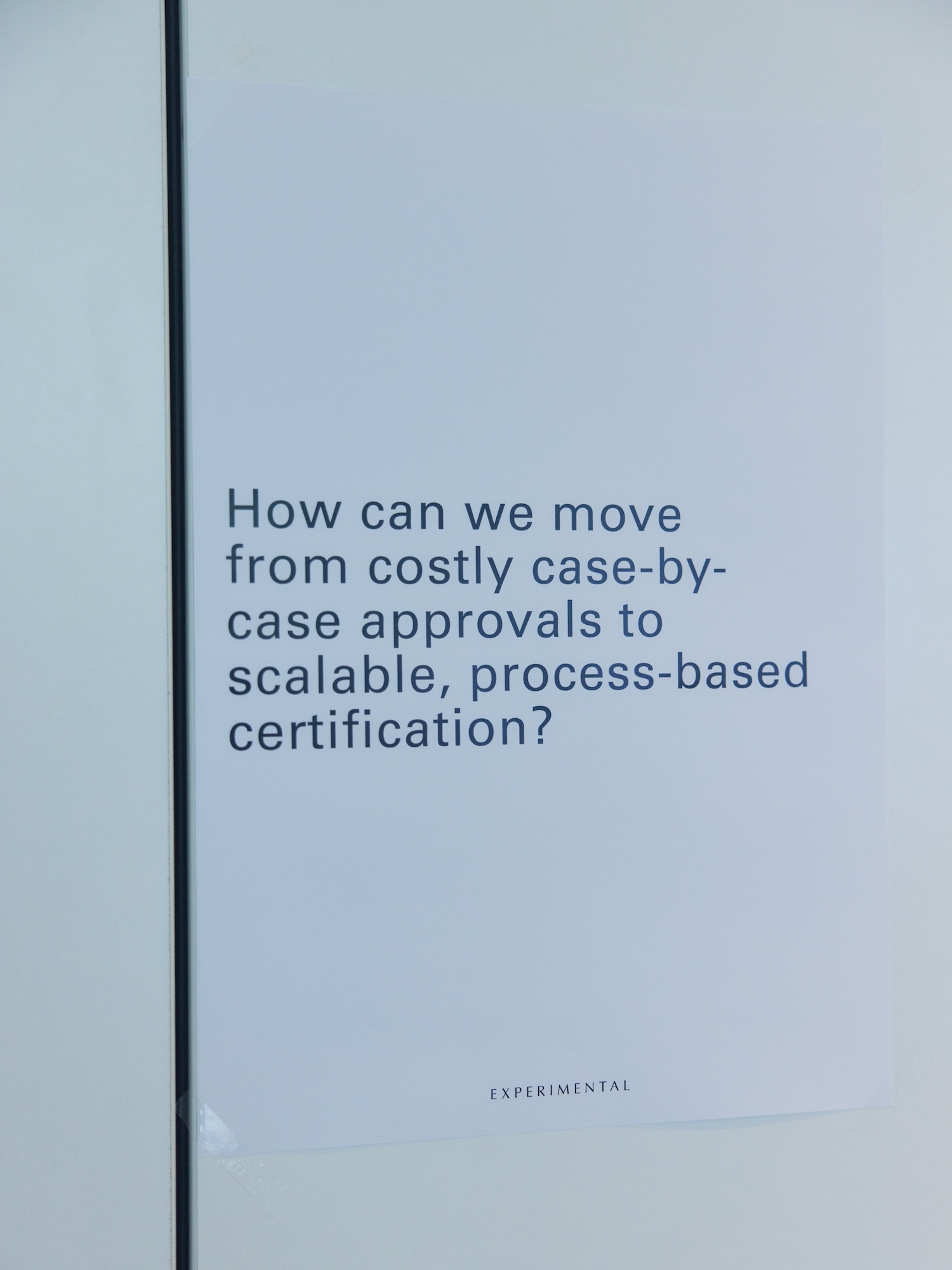
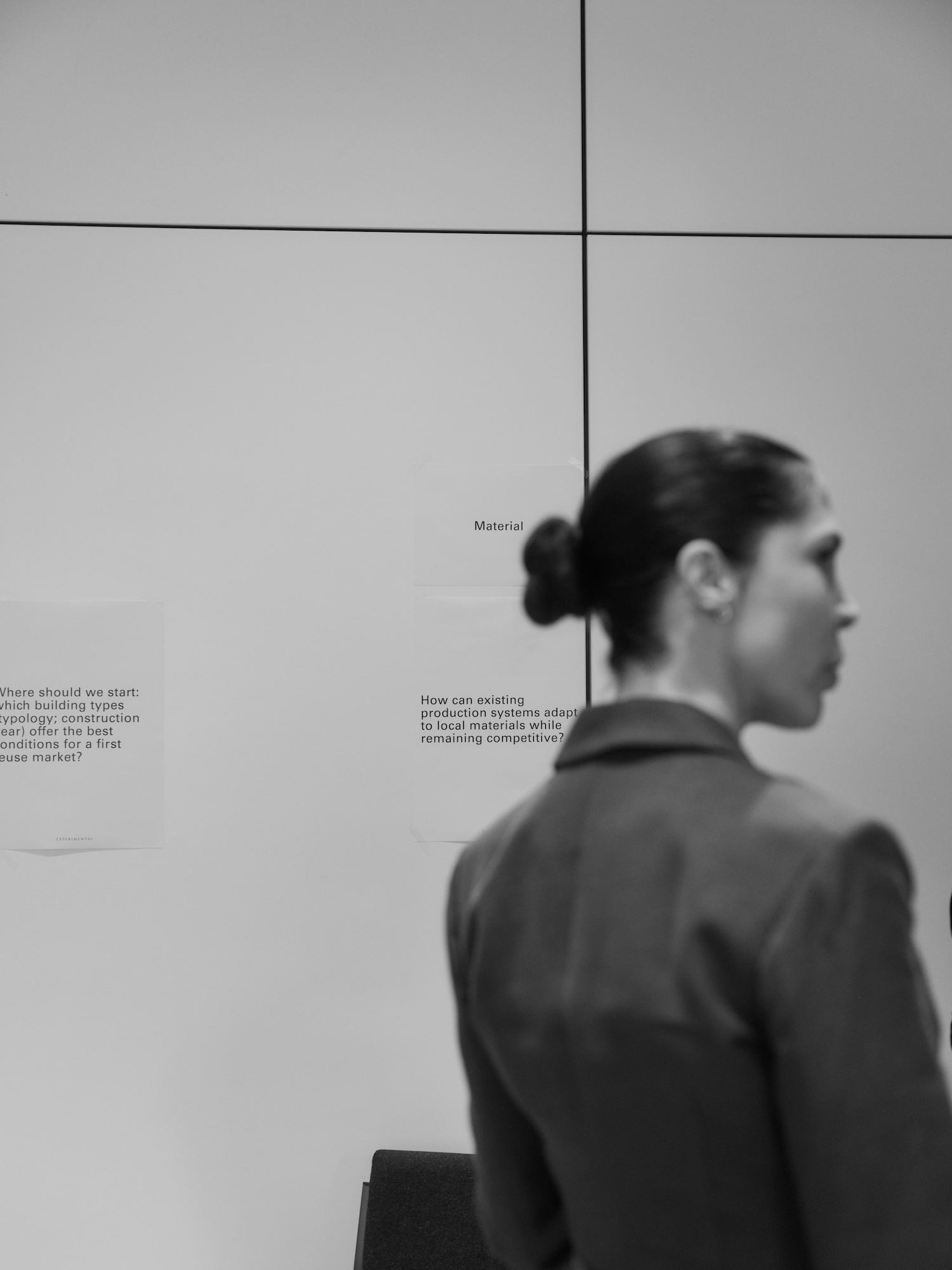
Participants examined the framework conditions required to make reuse and recycling standard practice in the construction industry. Topics included the financing of circular projects, the valuation of existing materials, regulatory incentives, and the question of how architectural competitions must be redesigned so that reuse is no longer an optional add-on but becomes an integral part of the design process.
mpulse talks and discussion with, among others:
Anna Pomazanna, Materia Lab
Mykhailo Shevchenko, Materia Lab
Christian Roth, Baukreisel
Ioan C. Brumer, Baukreisel
Leon Reichling, Commerz Real
Programme and moderation: Chrissie Muhr, Experimental Foundation
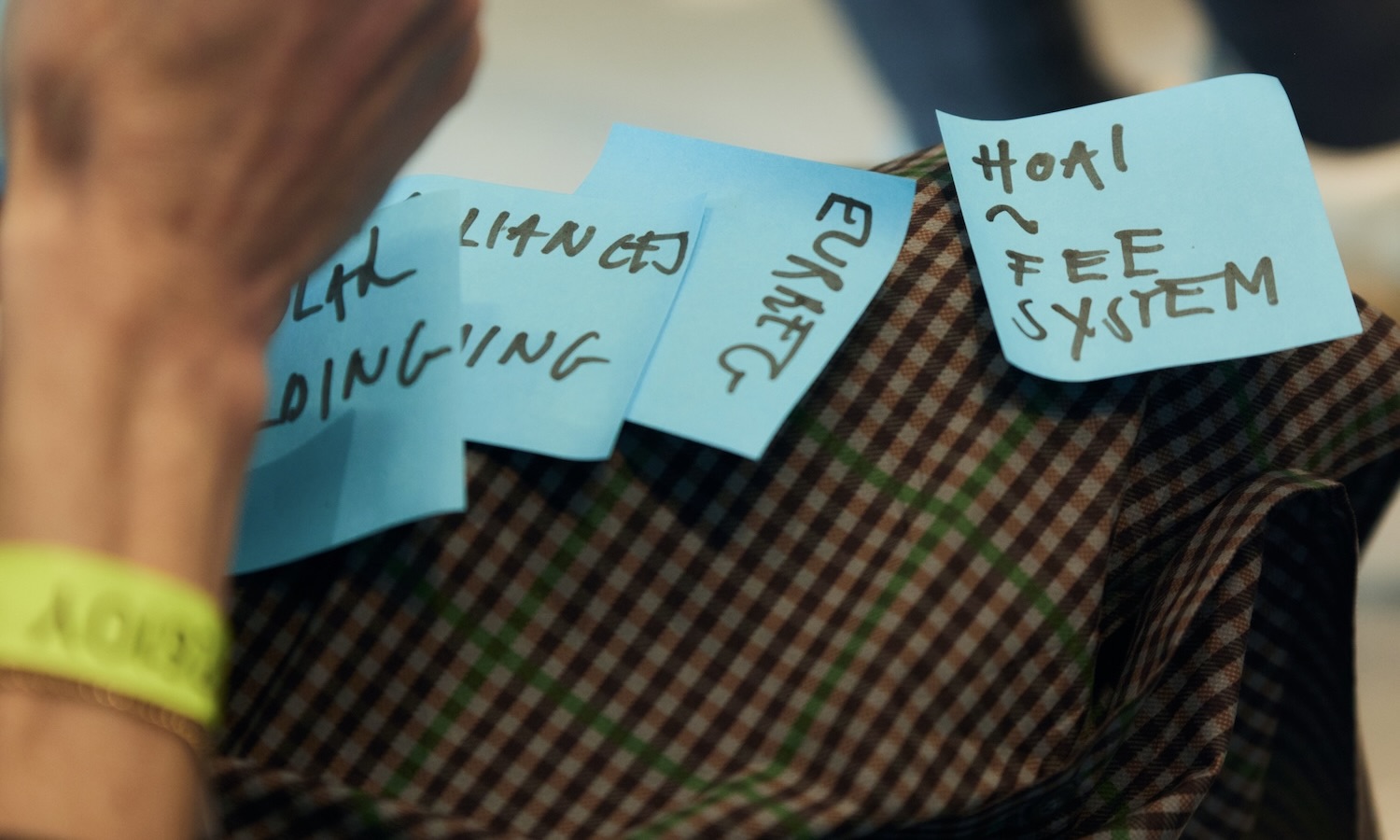
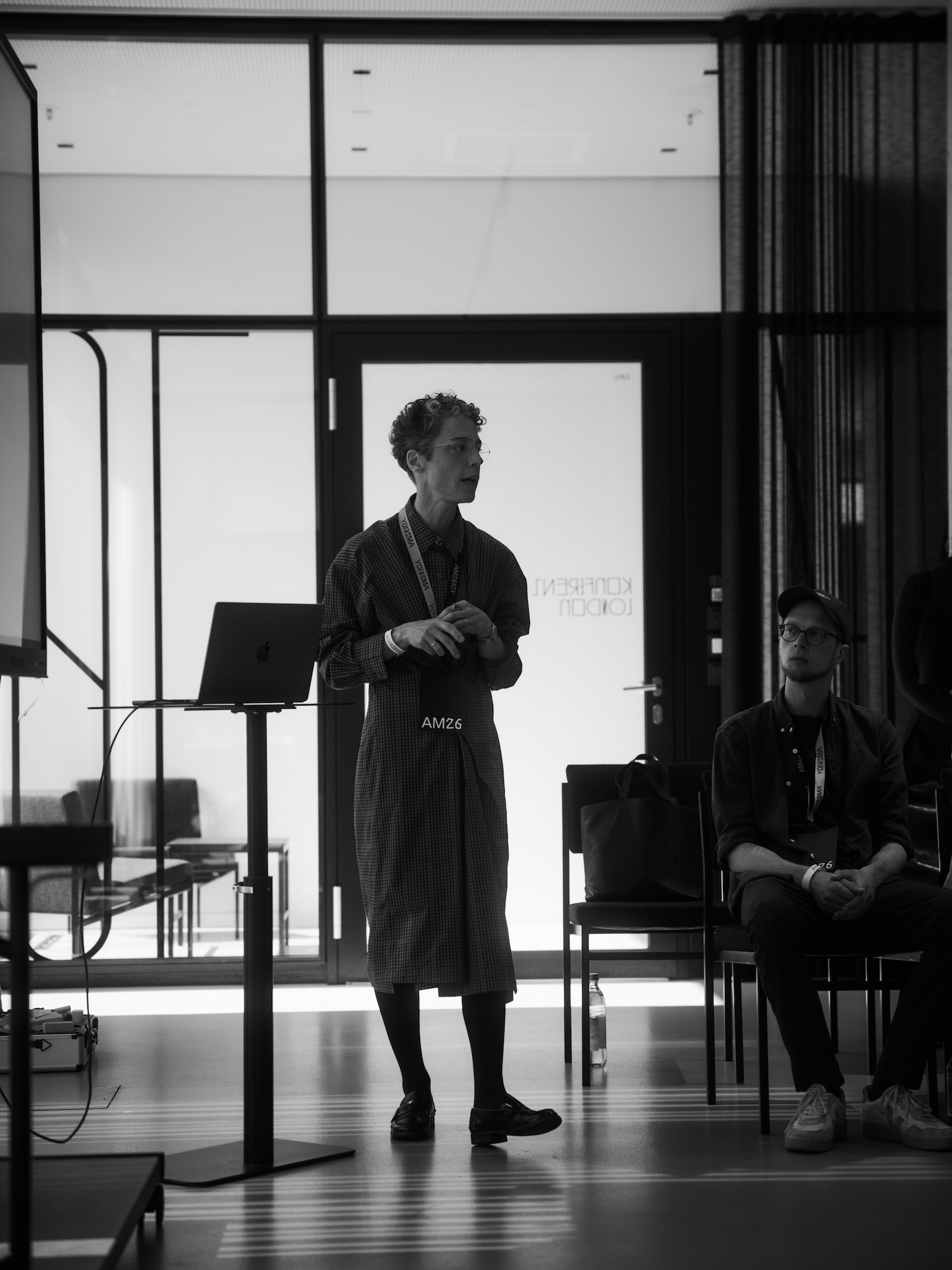
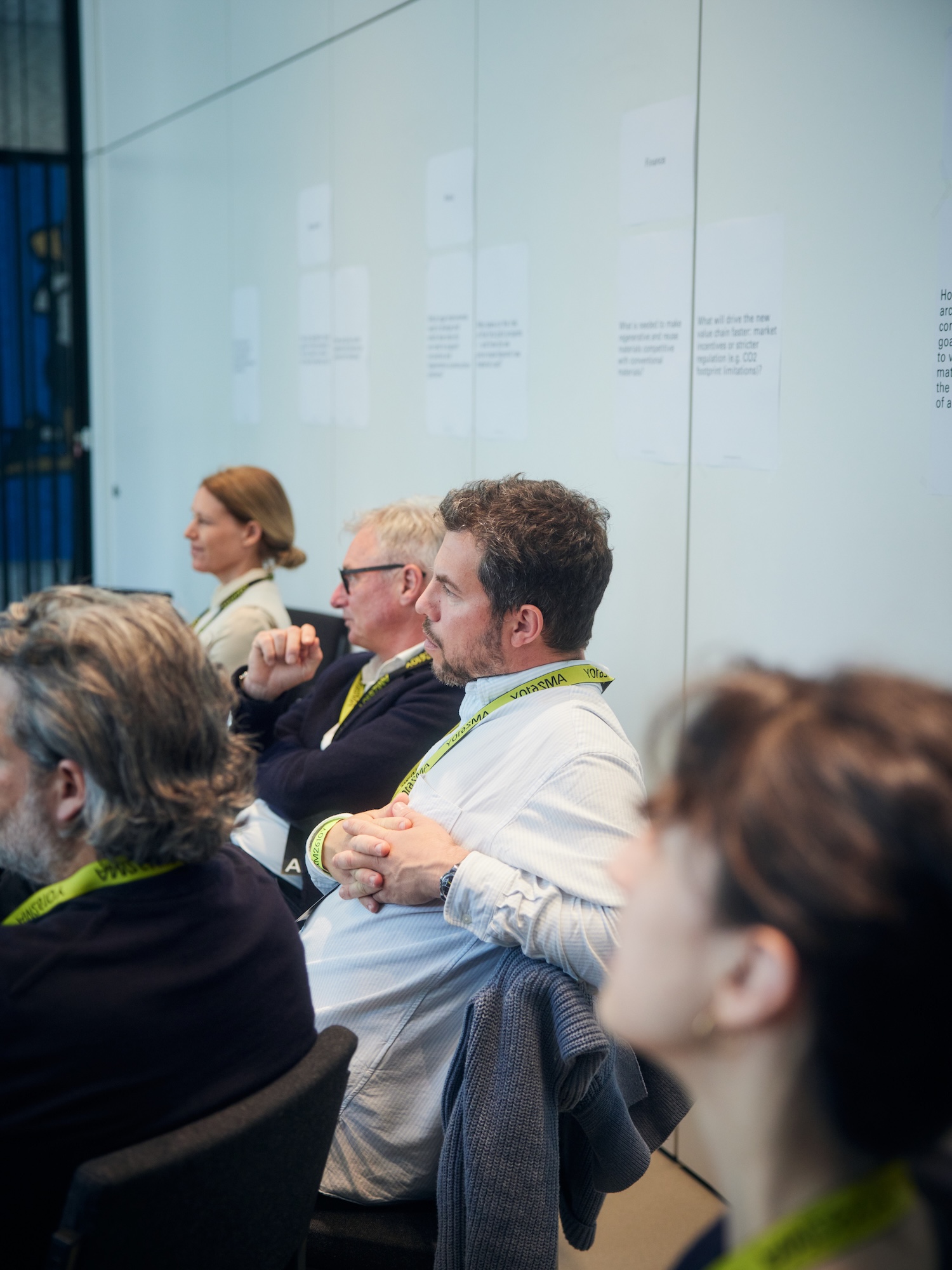
How can real estate projects be financed in a market environment shaped by uncertainty? And what role does sustainability play when capital becomes scarce?
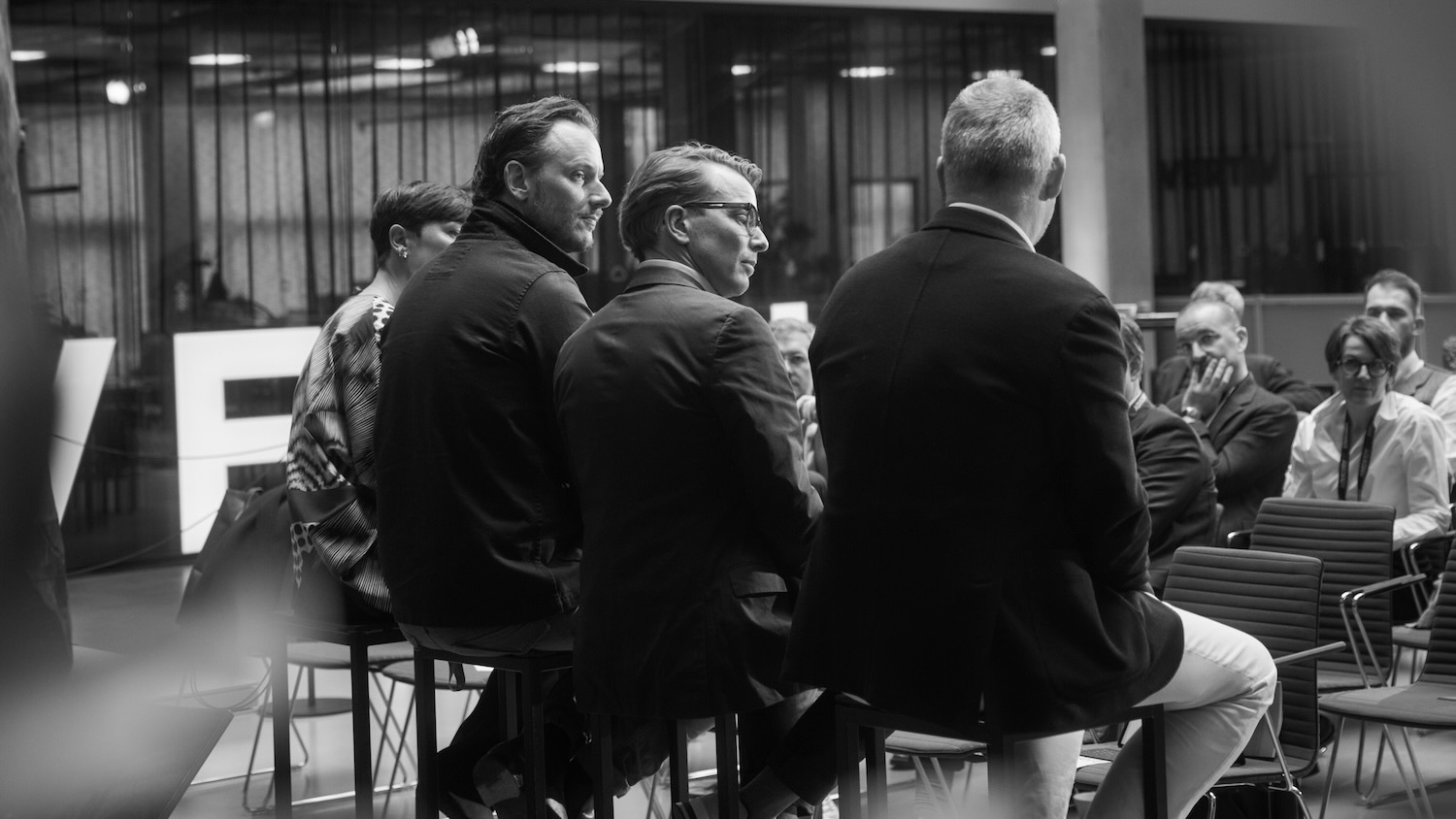
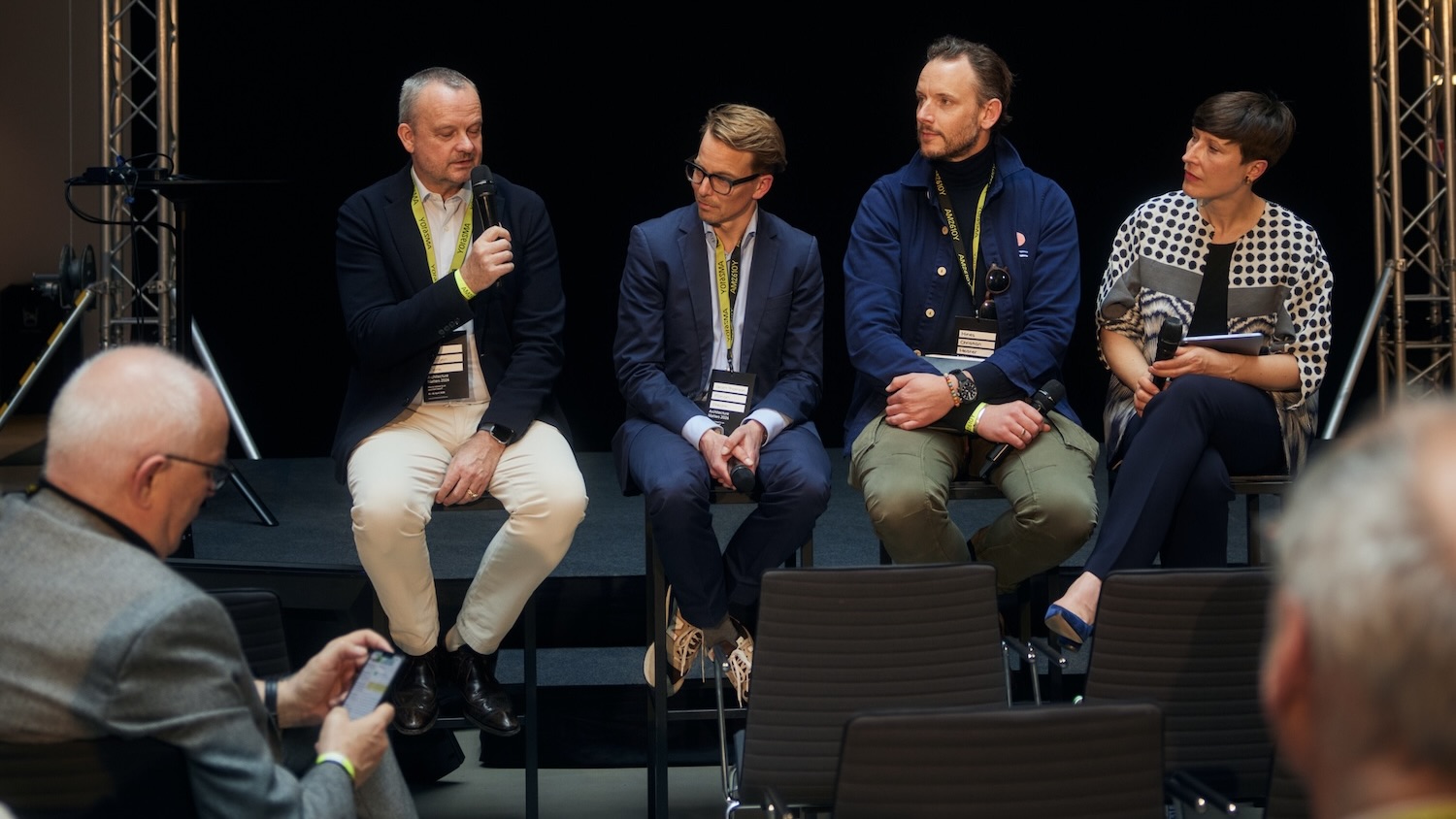
Together with Jürgen Fenk (DIH AG) and Dr. Florian Prechtl (Grant Thornton), participants discussed the current challenges of real estate financing. It became clear from the outset how different perspectives are within Europe. Terms such as debt capital, equity capital or financing structure are sometimes understood differently in the individual markets. “We obviously speak different languages in every country – despite the common language of English,” Christian Meister aptly summarized the discussion.
There was agreement, however, on one central issue: sustainability remains a decisive factor for the future viability of real estate. At the same time, it became clear that economic pressure is forcing many stakeholders to make difficult decisions. Before sustainability goals can be implemented, a project must first be financially viable.
The discussion therefore focused on the question of how much sustainability remains financeable under current market conditions. What impact do regulatory requirements have on investment decisions? How is the role of banks changing? And were previous sustainability goals perhaps more ambitious than their practical feasibility allowed?
The discussion made it clear that sustainability and economic viability will have to be considered even more closely together in the future. The challenge is not to play one off against the other, but to develop viable models that make both possible.
Impulse talks and discussion with, among others, Jürgen Fenk (DIH AG) and Dr. Florian Prechtl (Grant Thornton).
Moderation: Nadin Heinich, plan A, and Christian Meister, Hines.
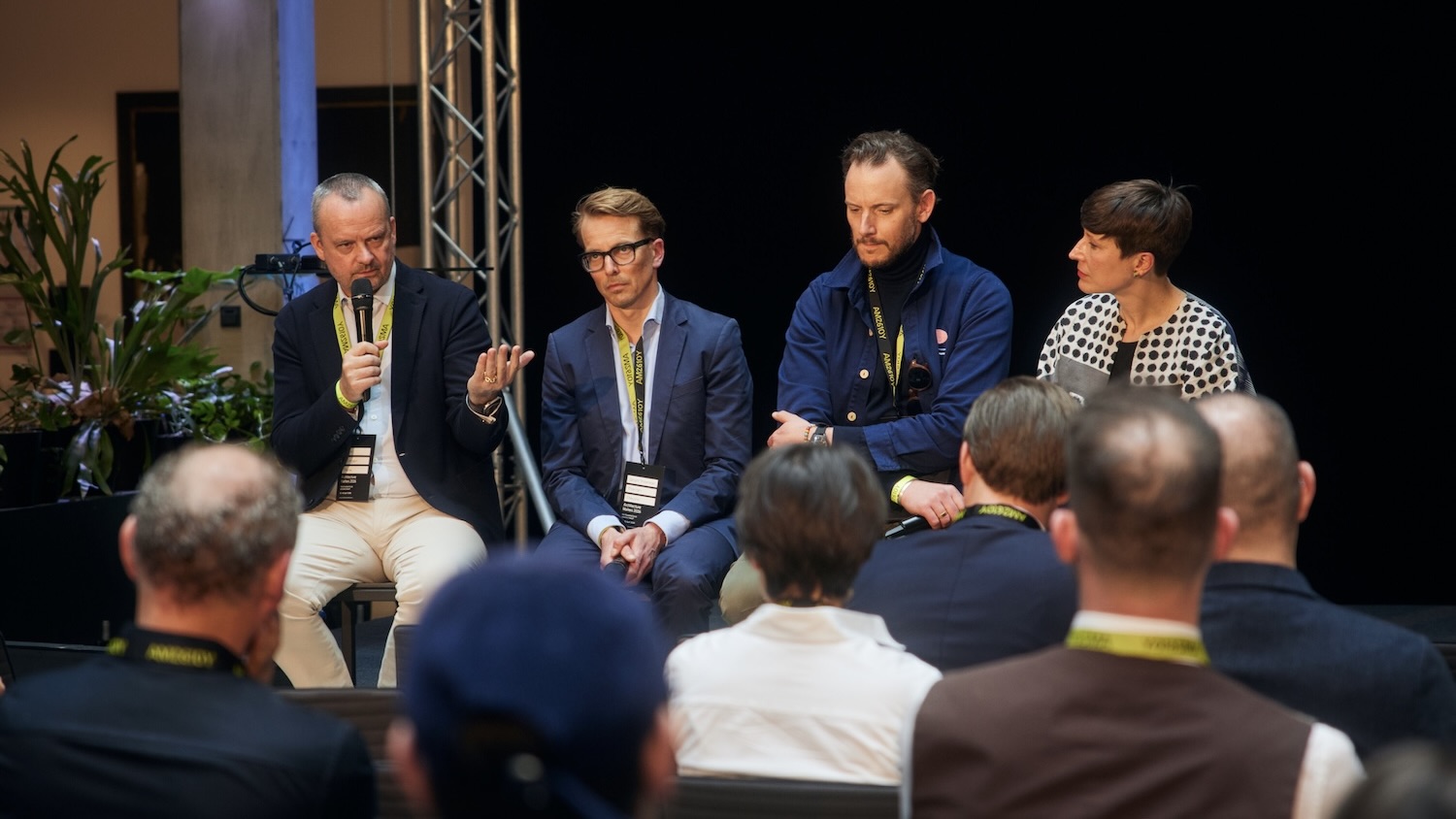
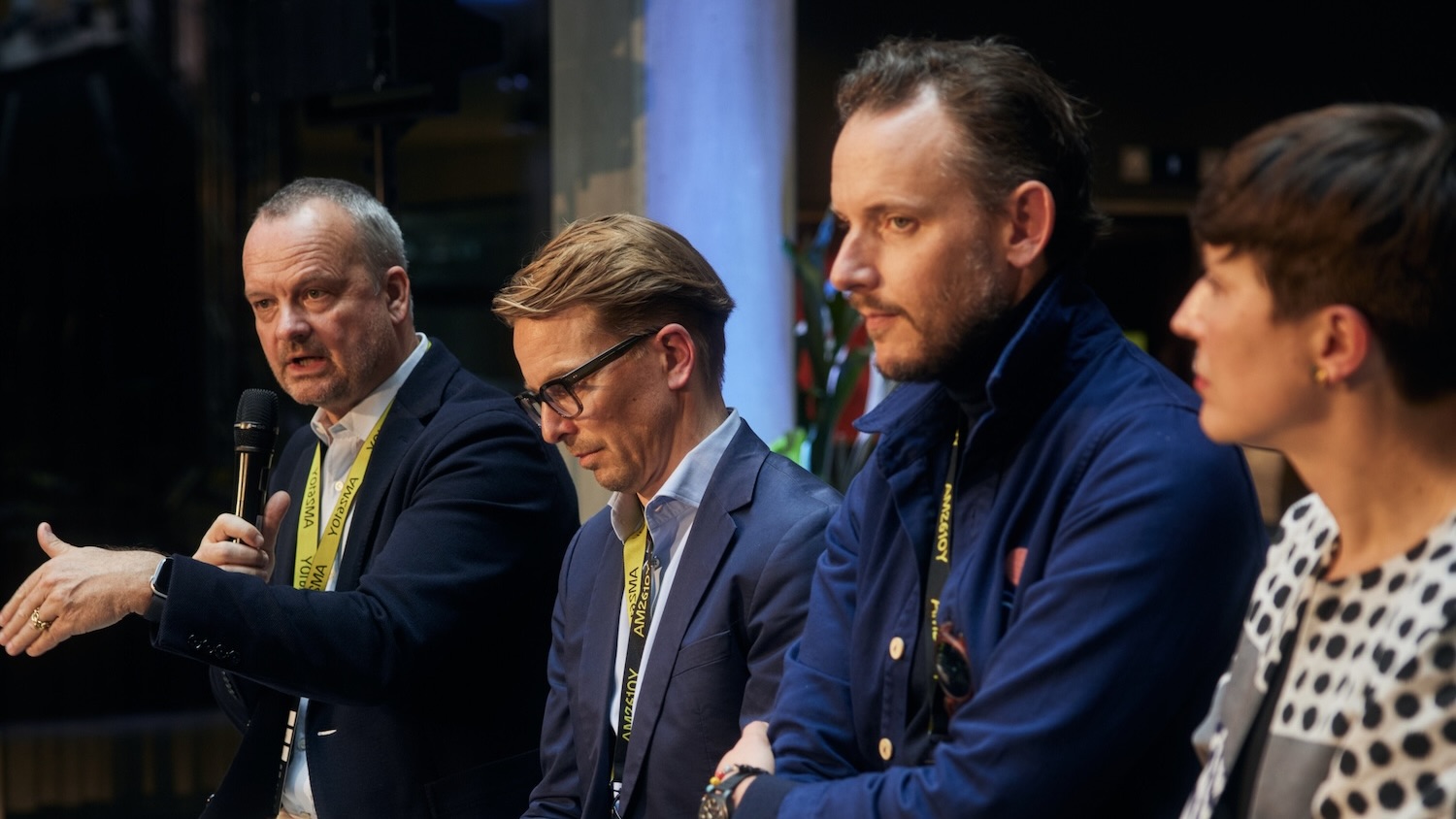
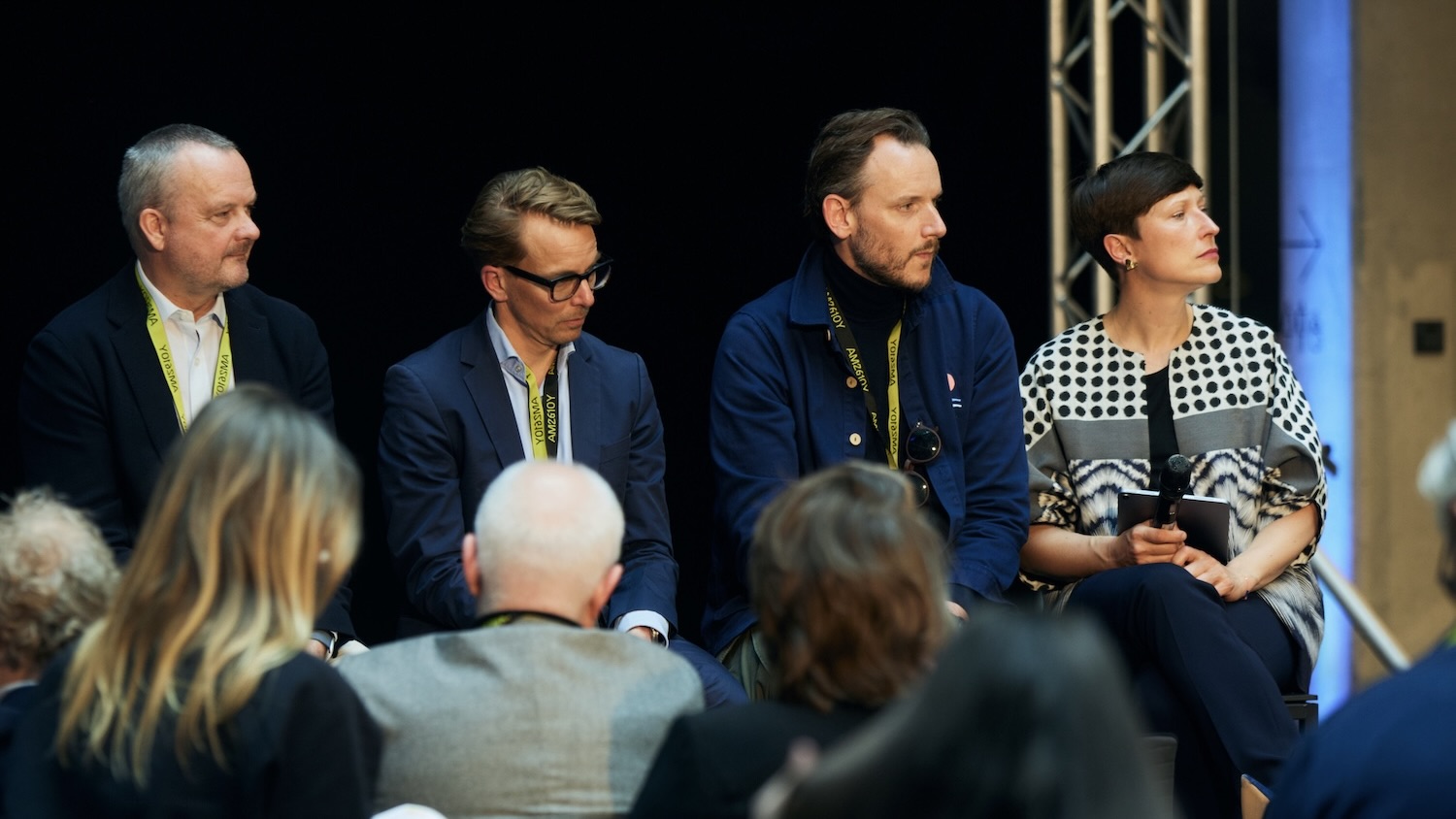
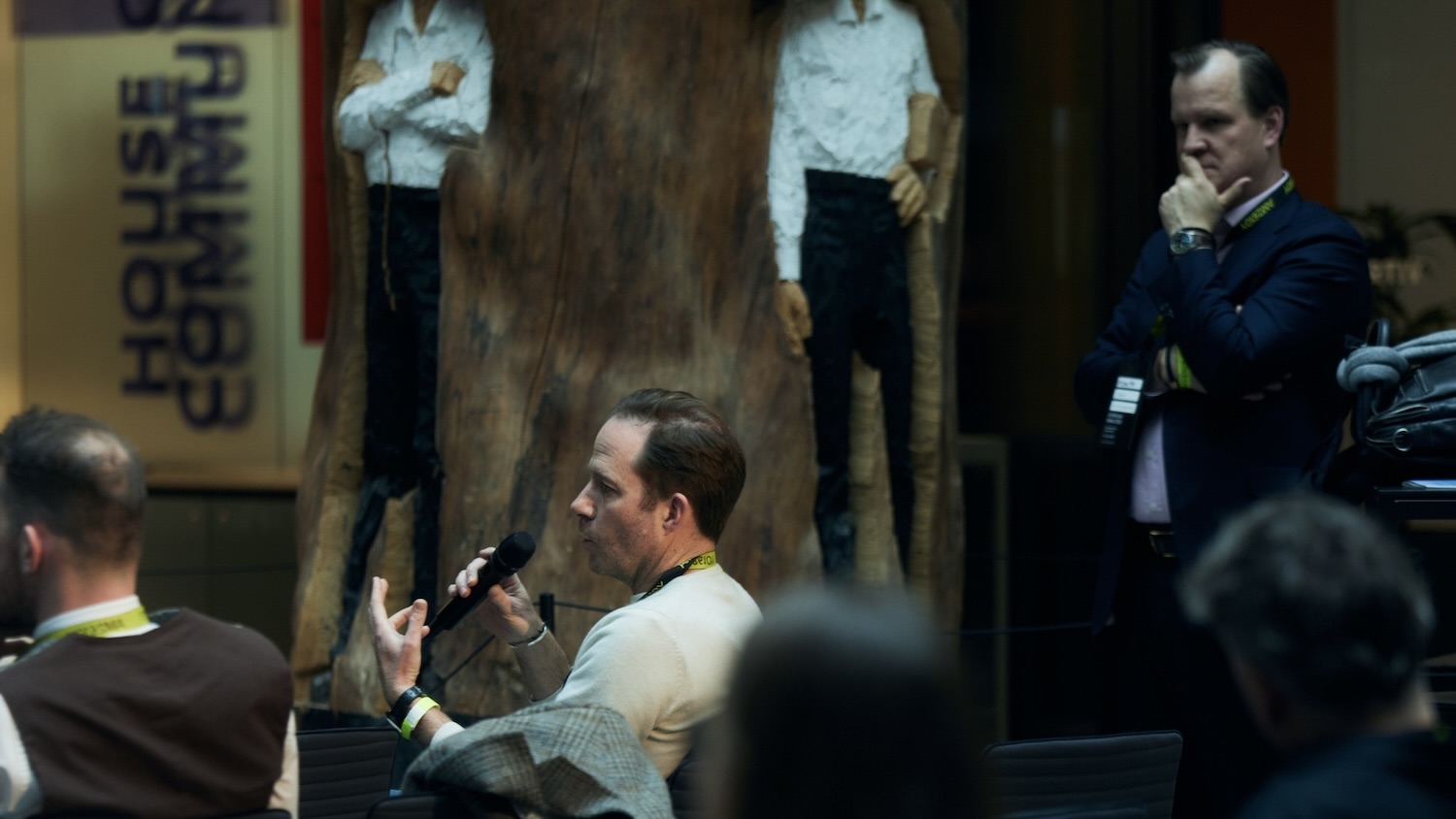
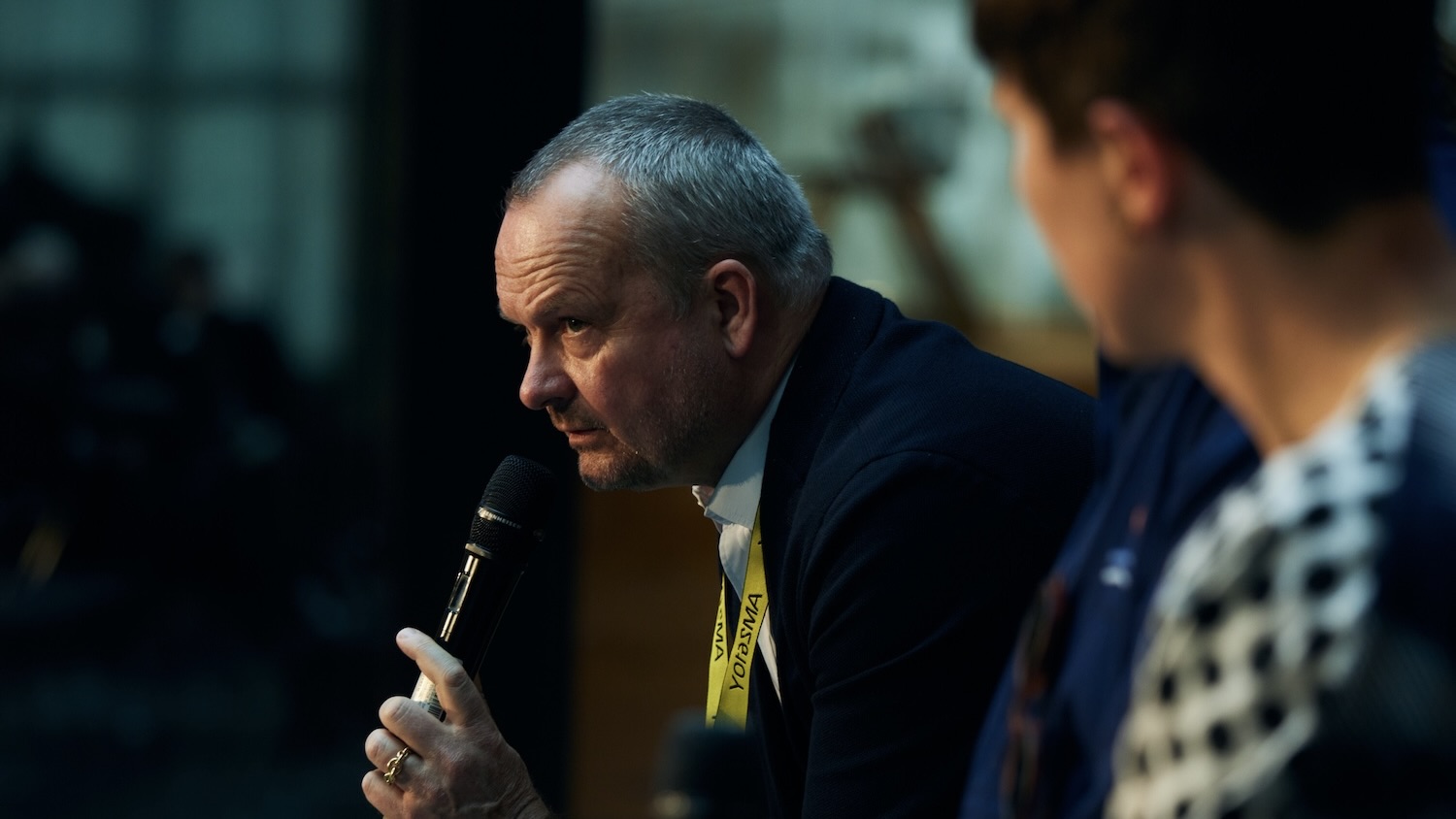
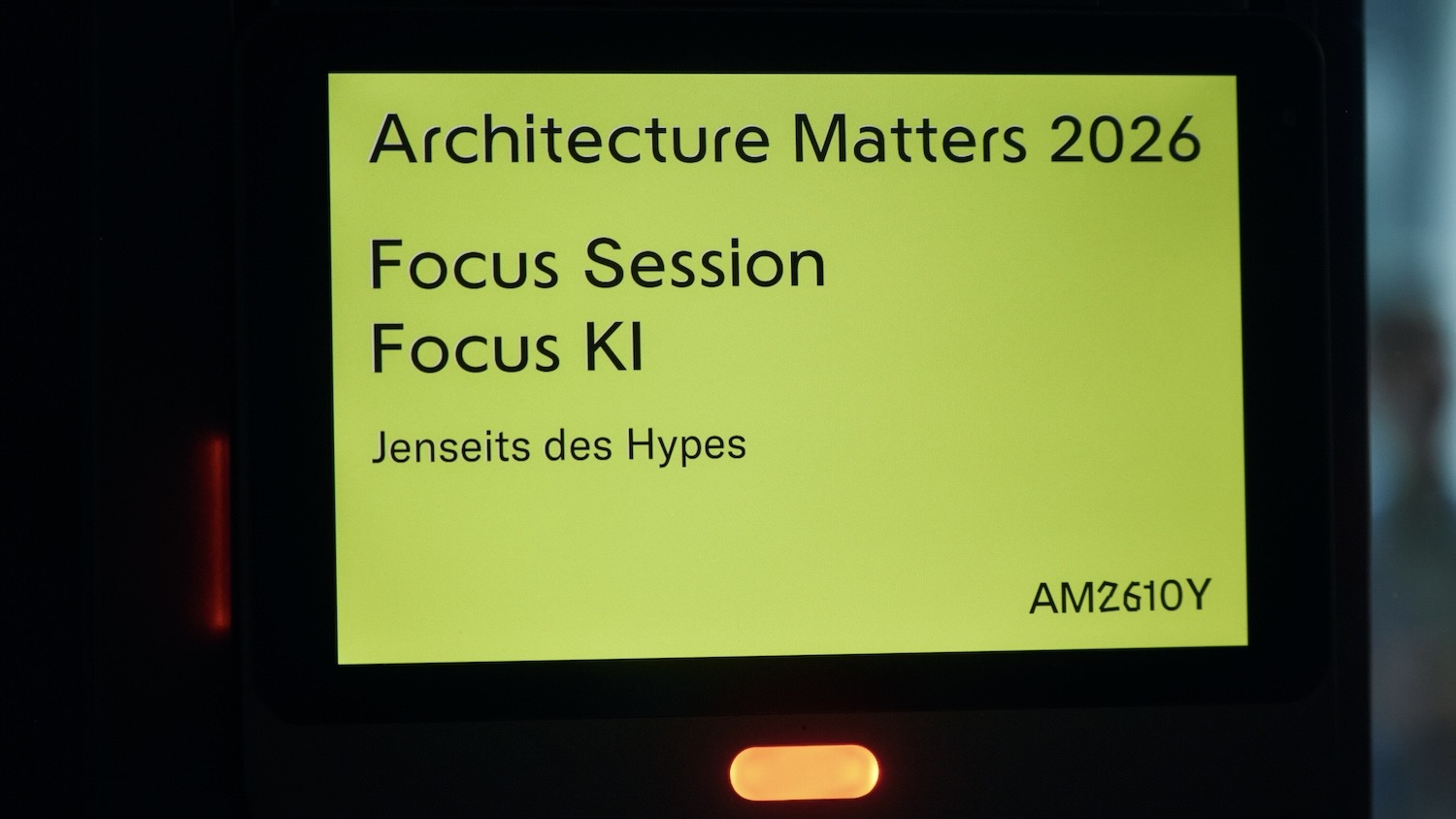
Artificial intelligence has replaced digitalization as the key future topic for many architecture firms. In the Focus Session initiated by Doelker&, participants discussed practical applications, opportunities and challenges of AI in planning and design.
Marc Schmailzl (Technical University of Munich) provided an overview of current AI technologies – from machine learning and large language models to image generators and deep research systems. It became clear how rapidly these tools are evolving and how naturally they are already being integrated into everyday practice in many firms.
One focus of the discussion was the question of technological sovereignty: What European alternatives exist to the dominant US providers? Participants also discussed the impact of generative AI on creative professions. Will it soon be possible to create high-quality visualizations with just a few prompts, and how will this change the work of specialized experts?
Sabine Richly (Digital Media Consultant) contributed a legal perspective. She addressed the still unresolved questions surrounding copyright and AI-generated content and highlighted the legal uncertainties that planners and designers currently need to consider.
Impulse talks and discussion with, among others:
Marc Schmailzl, Research Associate, TUM
Sabine Richly, Attorney-at-Law, Digital Media Consultant
Moderation: Arian Lehner, Architektur Aktuell
Programme: Martin Schnitzer, Hannes Dölker
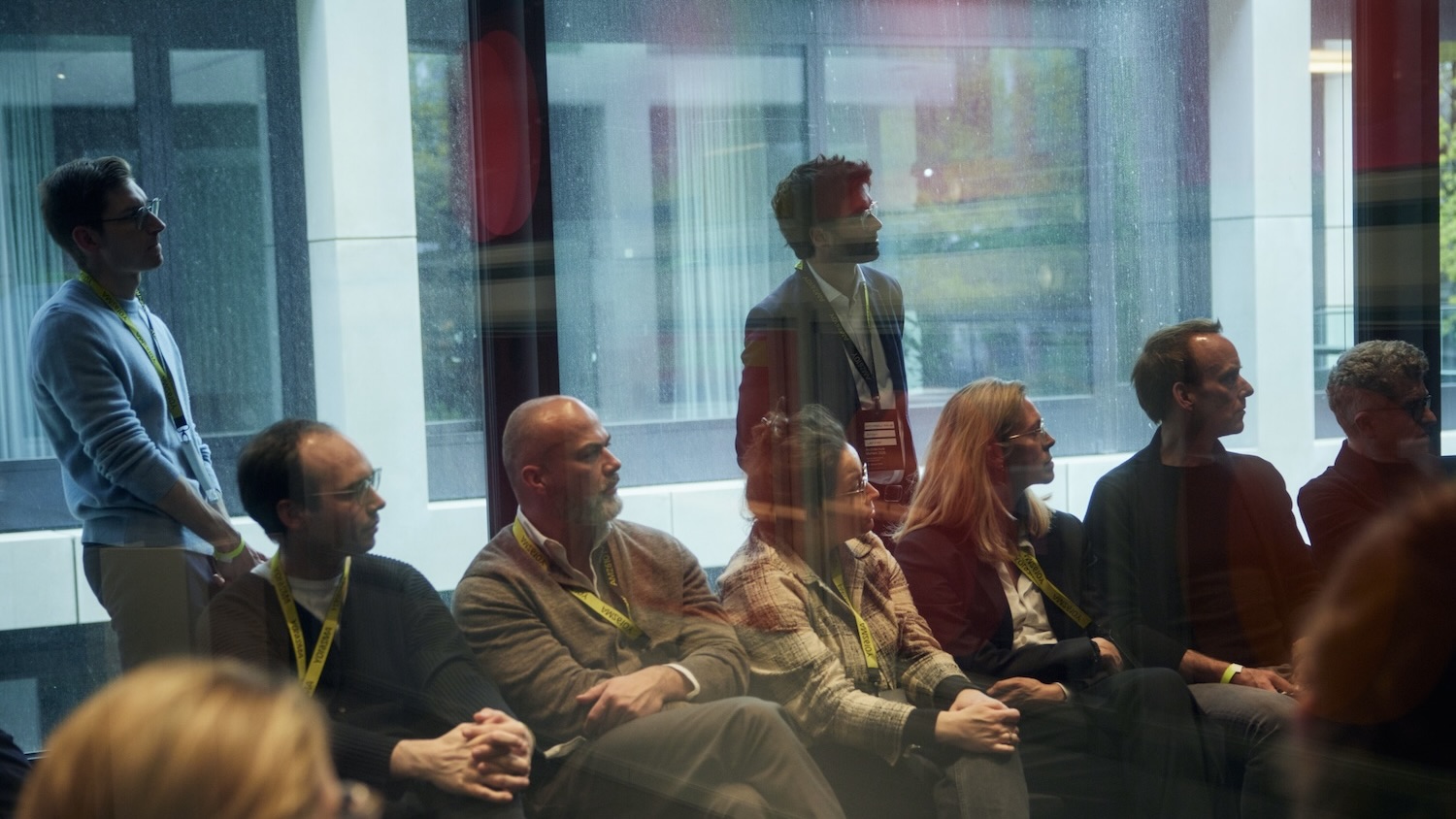
What is the future of the office at a time when traditional office locations are increasingly under pressure? In the Focus Session “The End of Monoculture. Offices for an Uncertain Future”, participants discussed new mixed-use concepts, flexible building structures and the limits of mixed-use development.
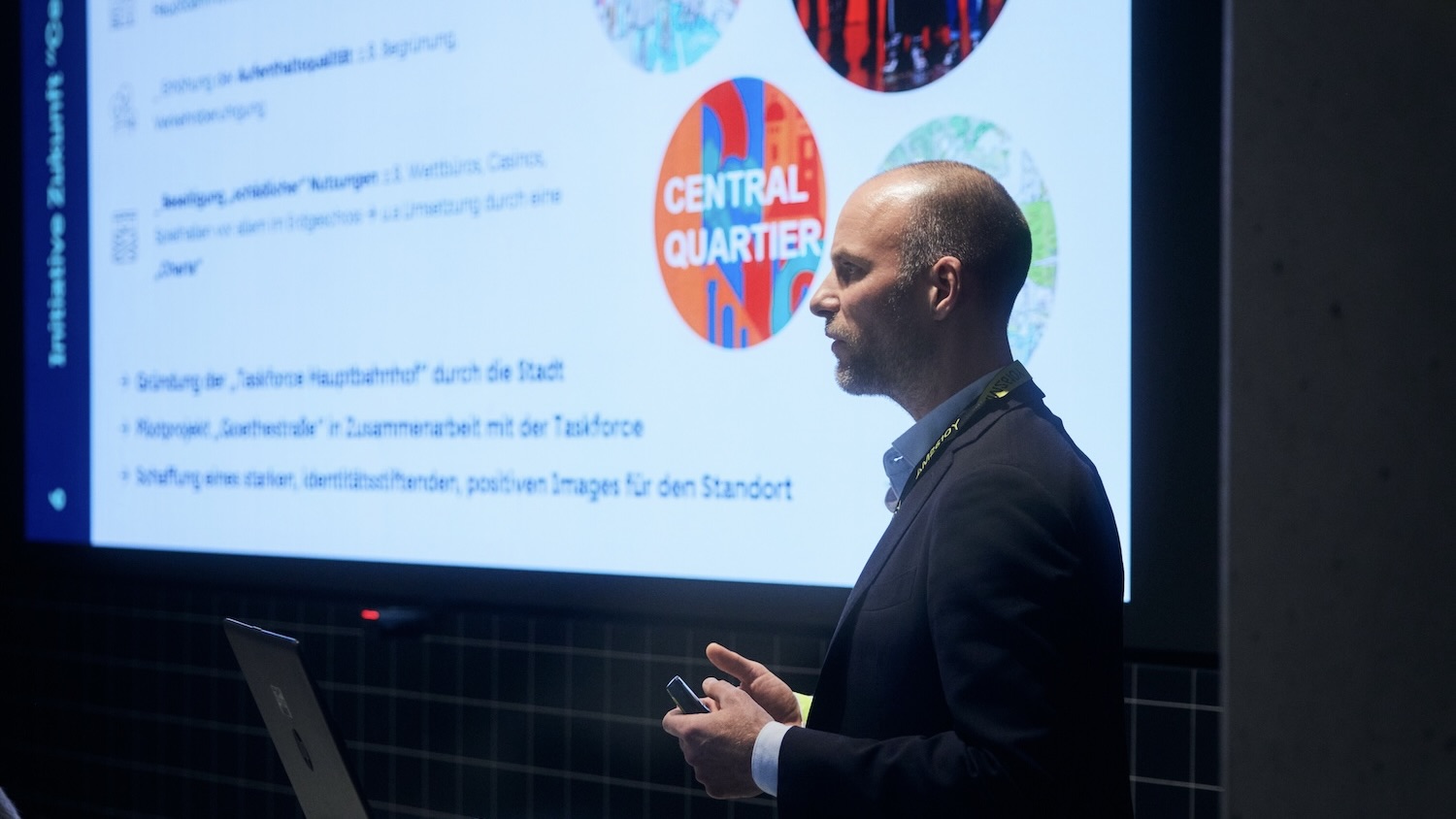
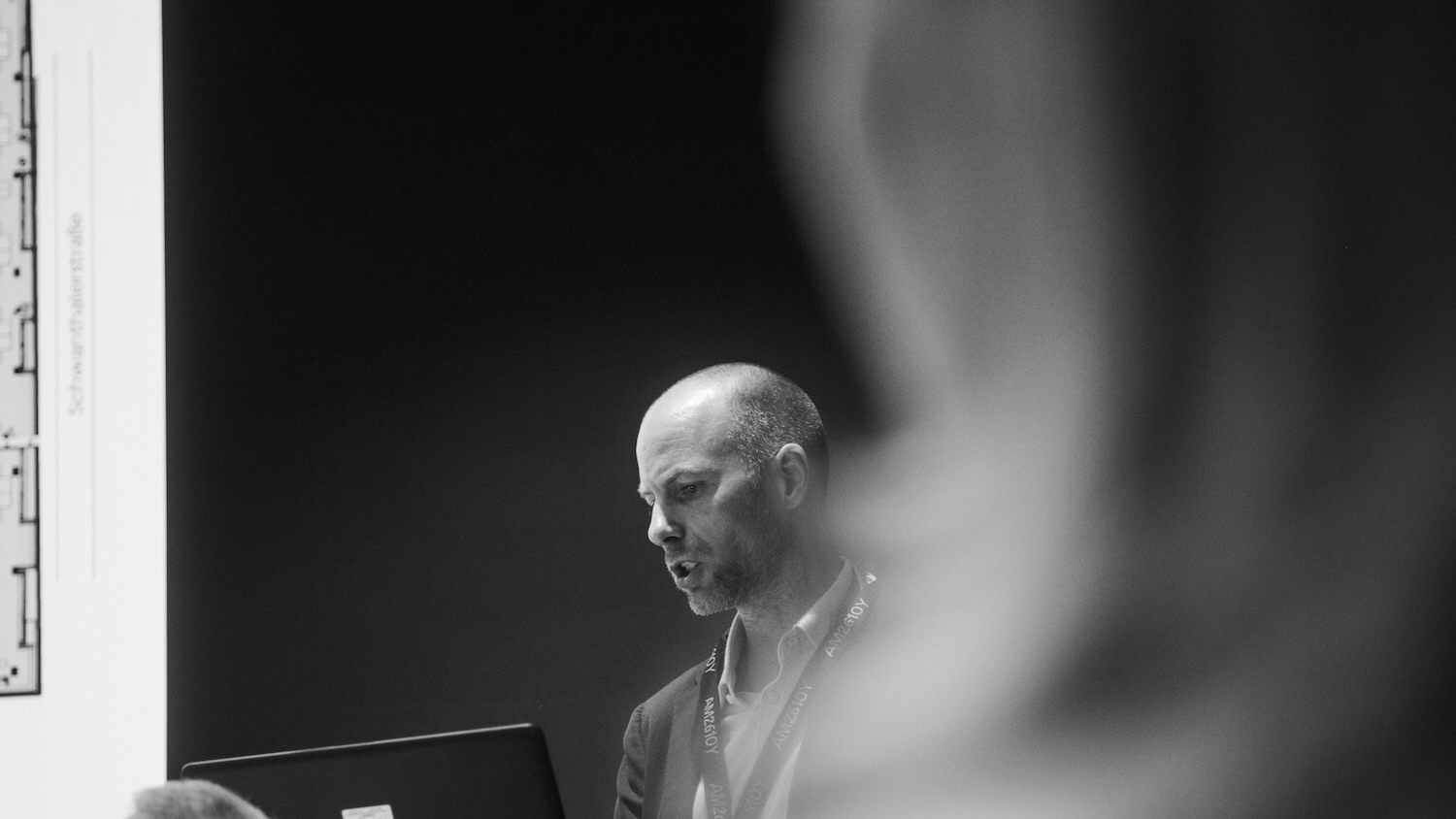
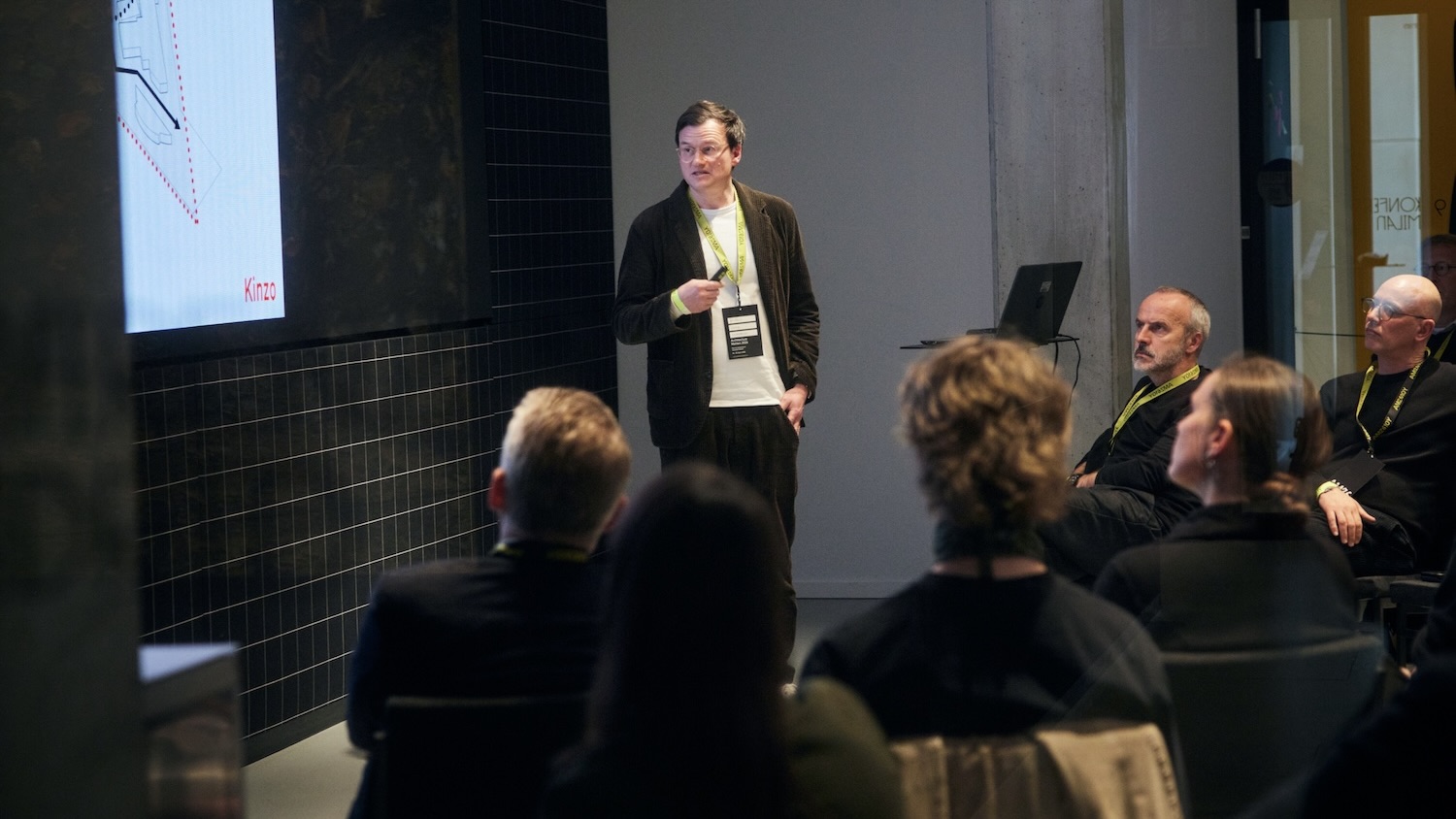
Impulse talks were given by Michael Bacherl from the Department of Urban Planning and Building Regulation of the City of Munich, Chris Middleton of Kinzo, Stefan Schillinger of Accumulata and Tim Schmitt of the IPAI Innovation Park Artificial Intelligence. Drawing on current projects such as the IPAI Campus in Heilbronn, the transformation of the Sony Center in Berlin and the new Munich development The Stack, the discussion highlighted the wide range of possible responses to an uncertain future of work.
At the centre of the debate was the question of whether mixed-use development is truly an effective remedy against lifeless office monocultures. While there was broad agreement on the benefits of mixed-use concepts, it also became clear that not every office building is suitable for conversion and that not every form of flexibility is economically viable. Stefan Schillinger therefore emphasized the need to assess each project individually. Planning for potential future residential use by incorporating additional staircases or technical installations, he argued, can quickly become uneconomical in new office developments.
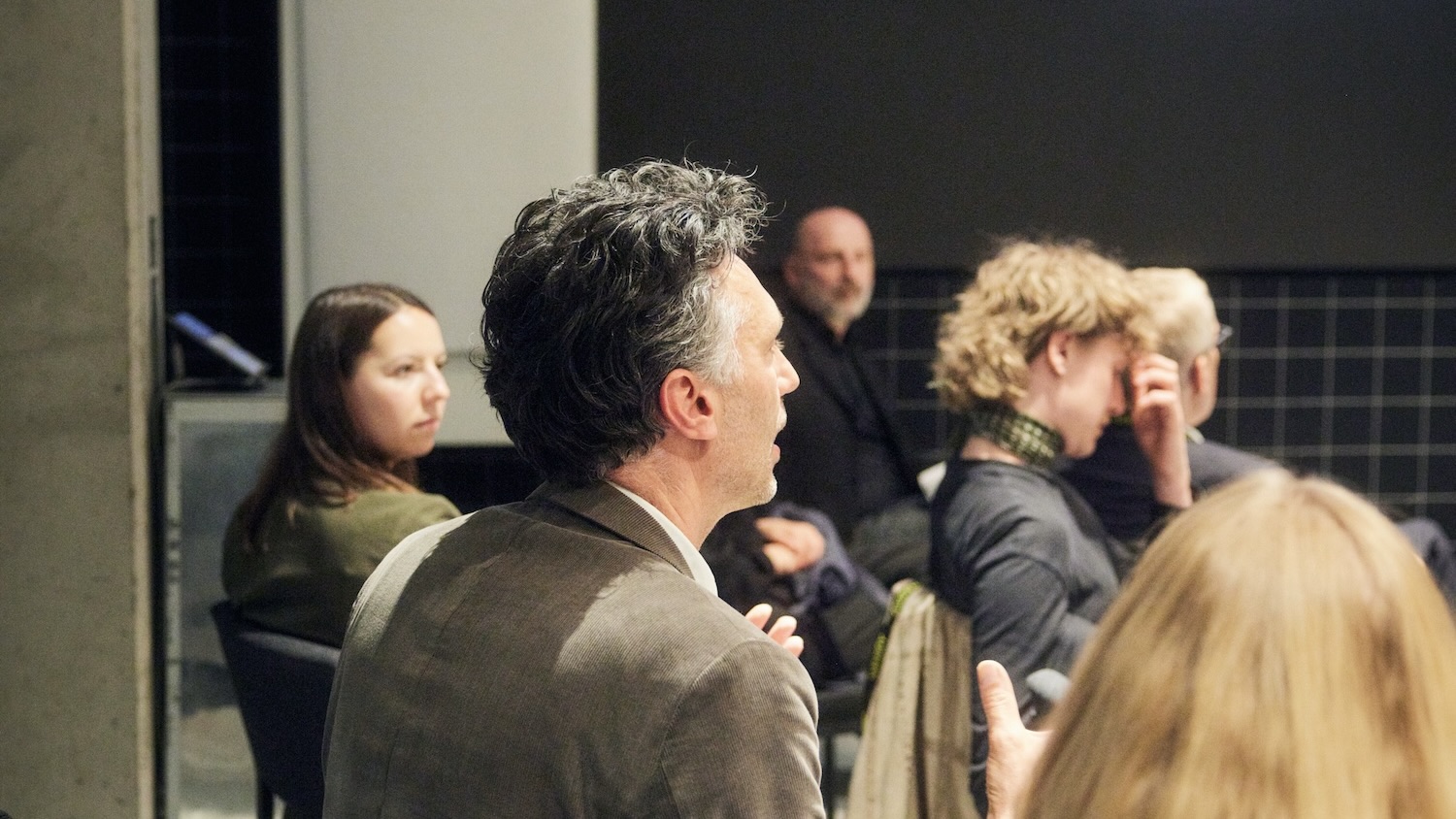
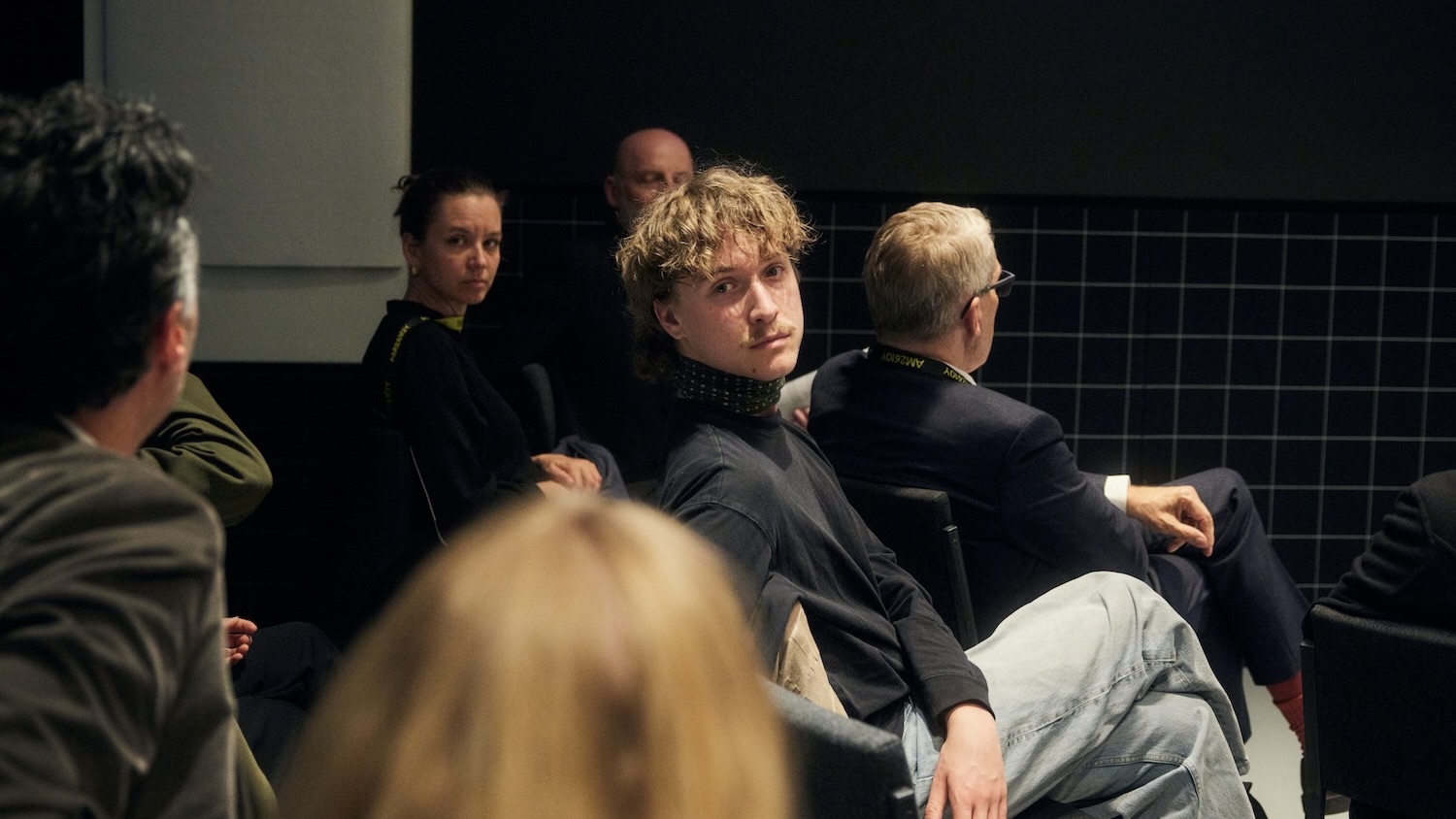
The lively discussion demonstrated the strong interest in the topic. Moderator Jan Friedrich summed it up succinctly: he had hardly needed to do more than allocate speaking time to the many participants wishing to contribute.
Impulse talks and discussion with, among others:
Michael Bacherl, City of Munich
Chris Middleton, Kinzo
Stefan Schillinger, Accumulata
Tim Schmitt, IPAI Innovation Park Artificial Intelligence
Moderation: Jan Friedrich, Bauwelt
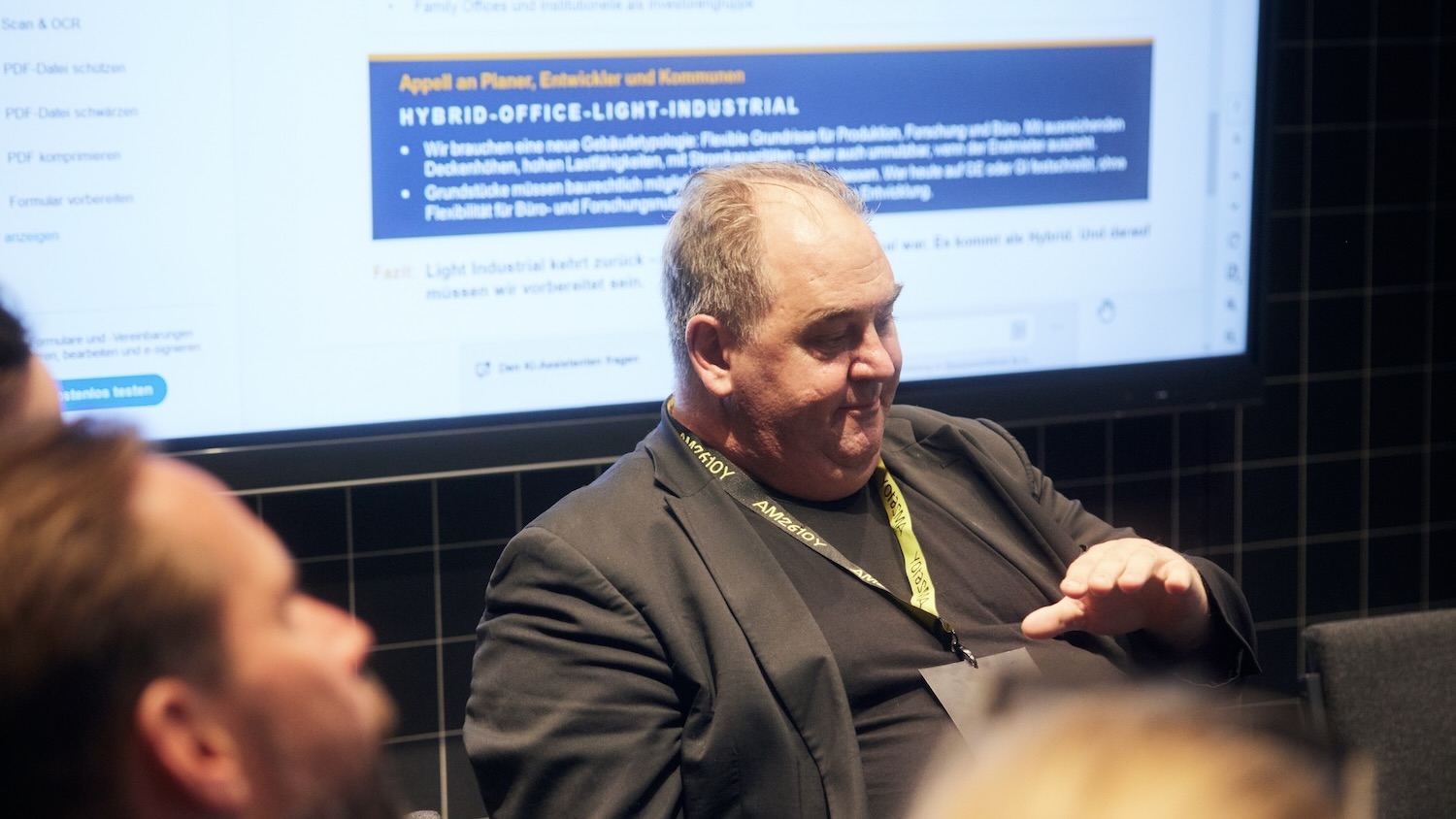
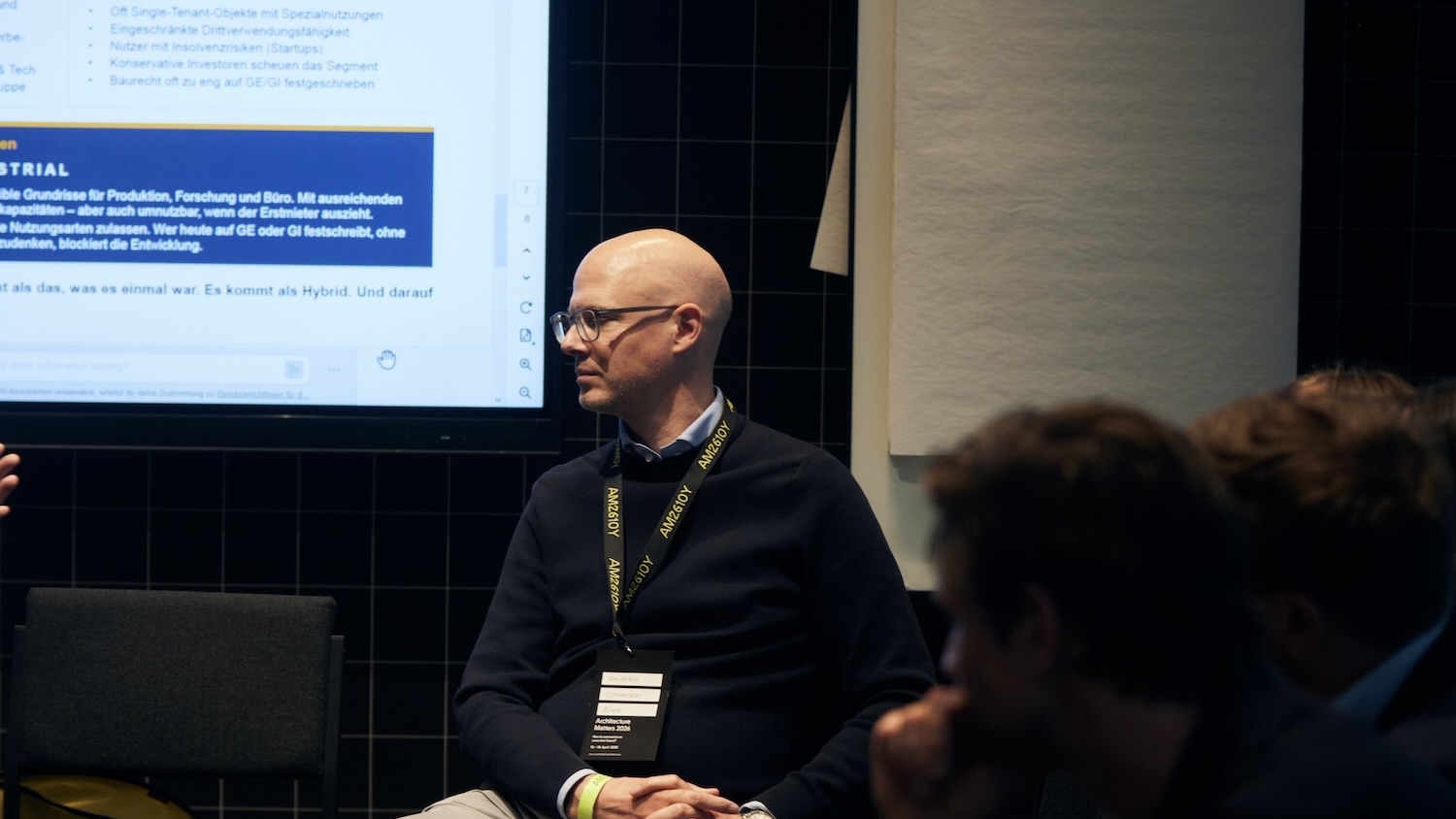
The return of production to the city was the central topic of the Focus Session “Light Industrial”, moderated by Thomas Sevcik (arthesia). The discussion explored how cities can respond to changing economic and geopolitical conditions. Supply chain disruptions, resilience strategies and shorter value chains are bringing production closer to places of consumption again – and therefore back into urban environments.
Impulse talks were given by Eva Herr from the City of Cologne and Christoph Zapp of Pamera. Participants discussed how this paradigm shift can be managed from both a planning and a societal perspective. For many municipalities, which have focused primarily on housing development in recent years, the integration of new production and commercial uses requires a fundamental rethink in administration, planning and urban development.
The discussion made clear that the term “Light Industrial” extends far beyond traditional manufacturing facilities. It includes urban production sites, technology-oriented businesses, research and development facilities, as well as data centres. Thomas Sevcik argued for challenging outdated perceptions, noting that data centres should no longer be seen as isolated infrastructure boxes on the urban fringe, but rather as integrated components of vibrant urban districts.
The conversion of vacant office buildings into light-industrial uses emerged as a particularly promising approach. Combined with residential and office functions, such developments could create more diverse and lively neighbourhoods, especially in peripheral urban areas affected by office vacancies.
At the same time, it became clear that public acceptance of such concepts still needs to be developed in many places. The example of Cologne demonstrated that while new forms of urban production are gaining importance, their benefits are often not yet sufficiently communicated. As a result, there was strong interest in continuing the discussion and developing further strategies for the productive city of the future.
Impulse talks and discussion with, among others:
Eva Herr, City of Cologne
Christoph Zapp, Pamera
Host and Moderation: Thomas Sevcik, arthesia
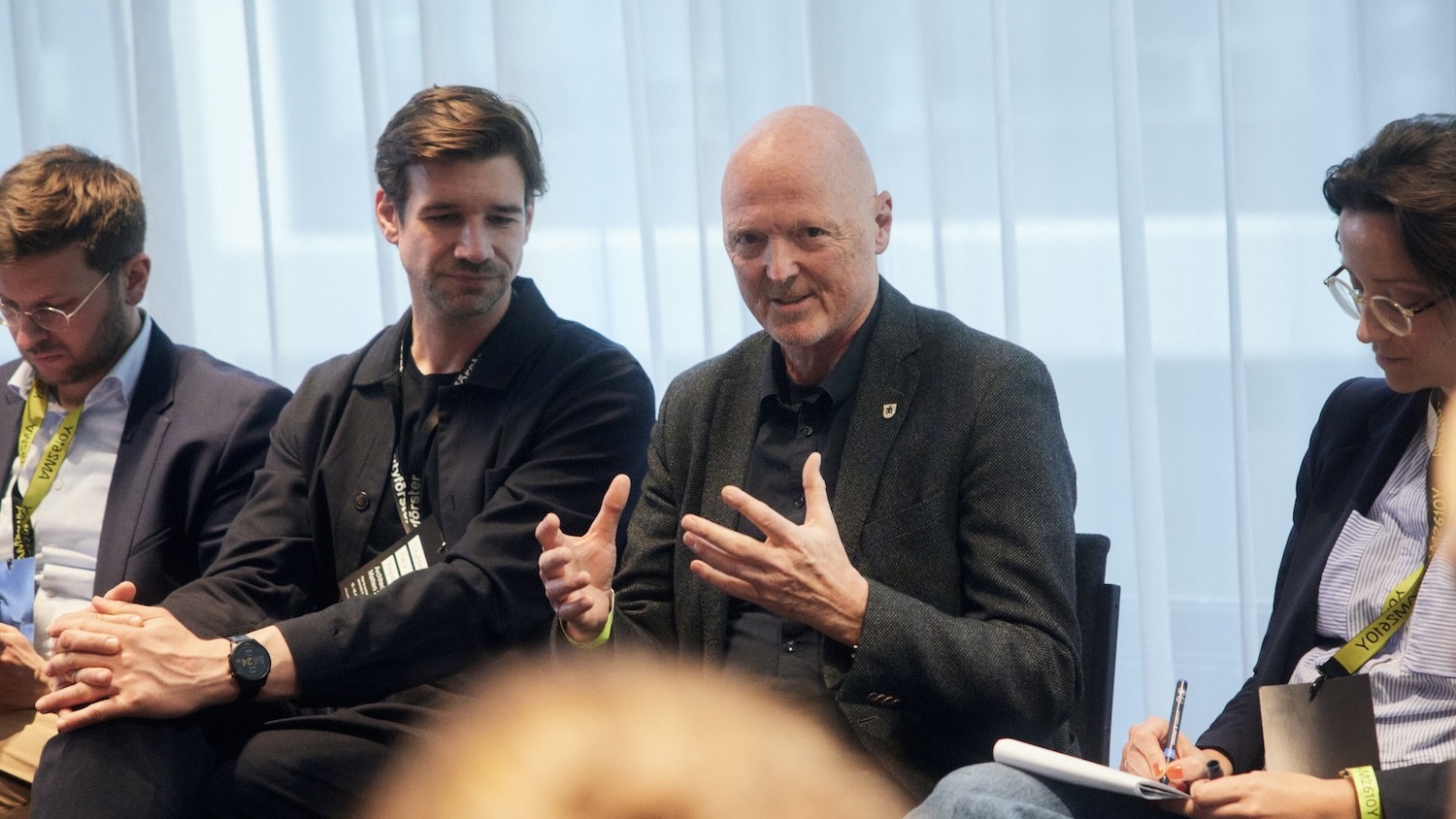
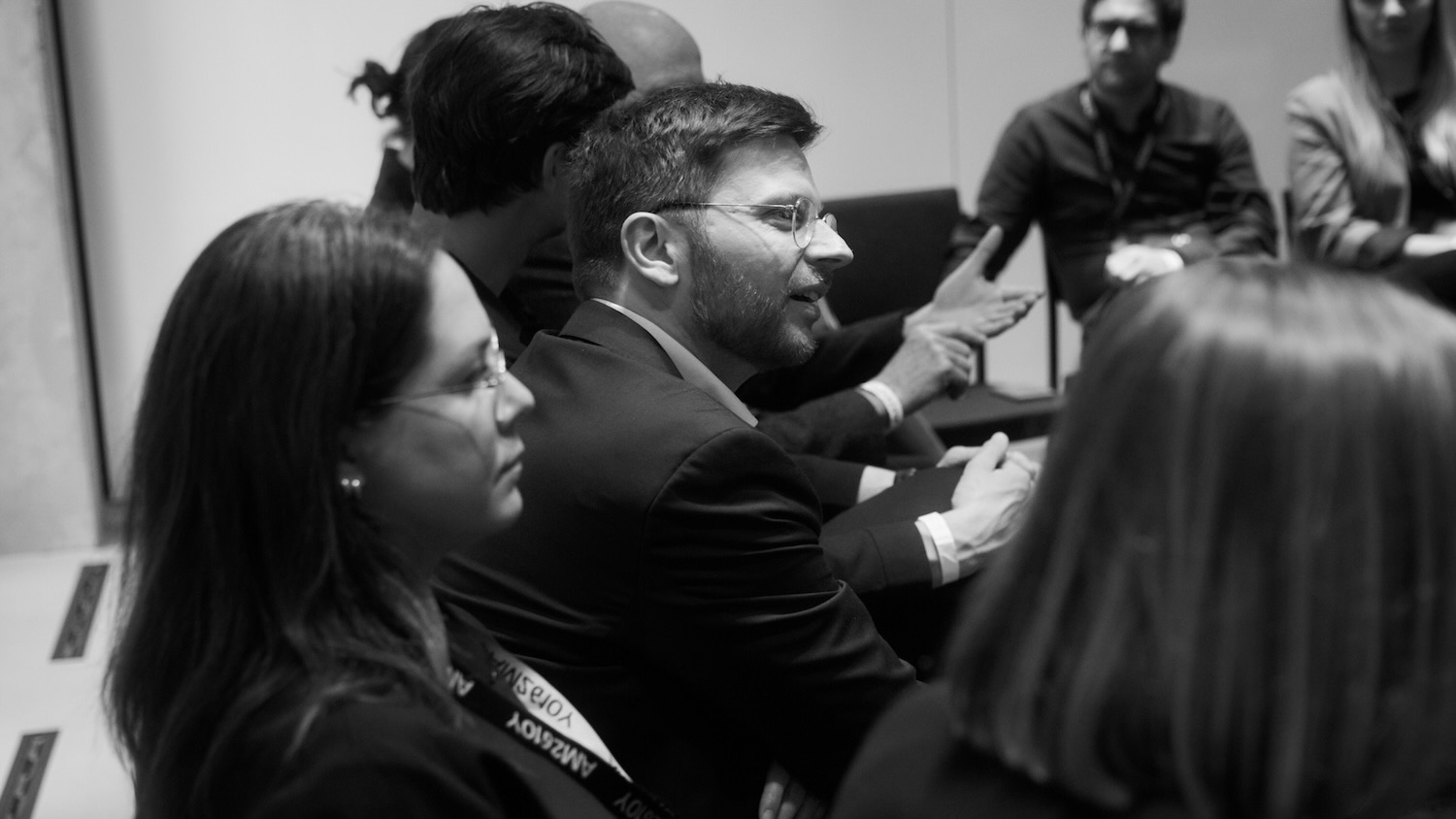
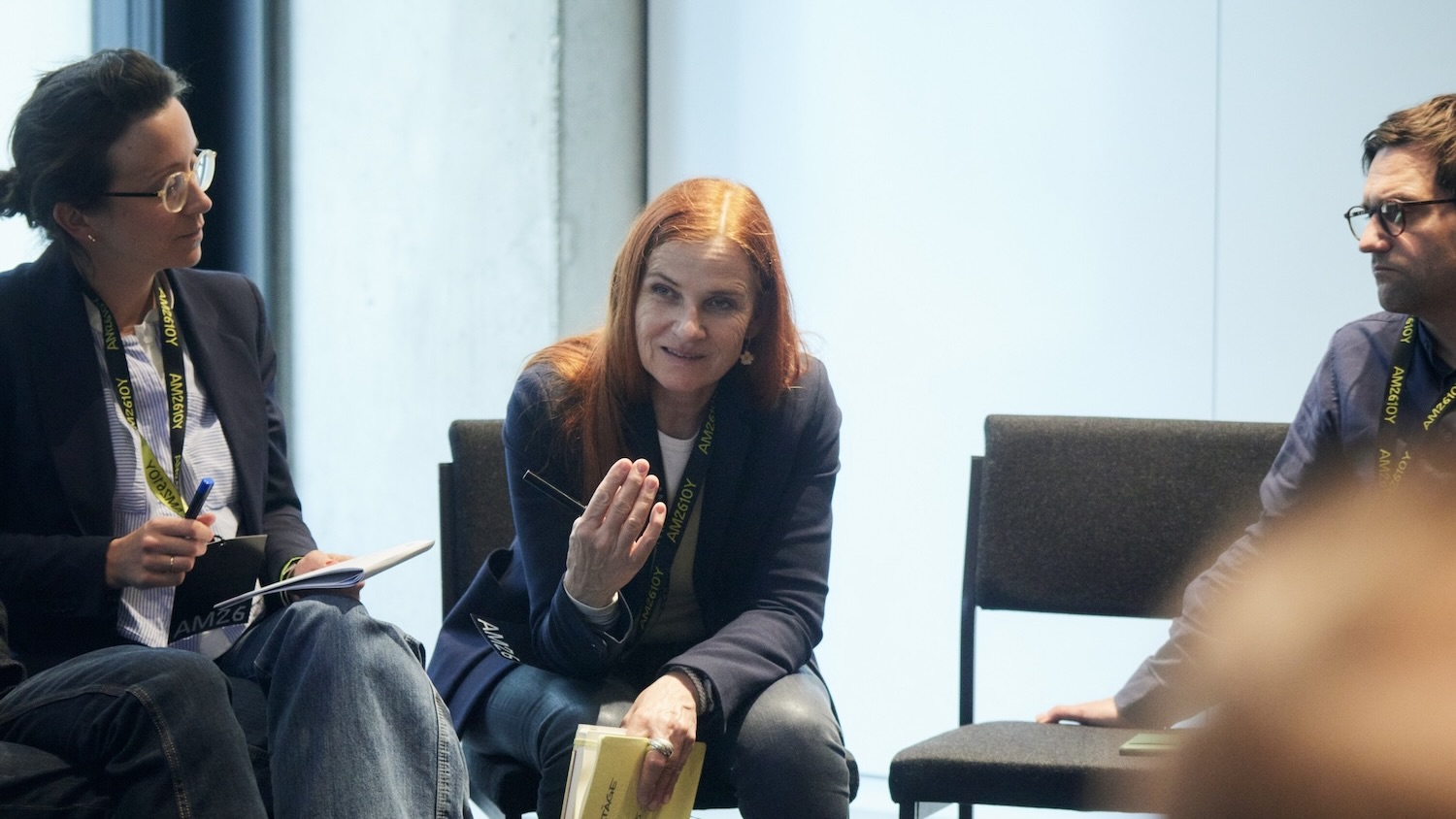
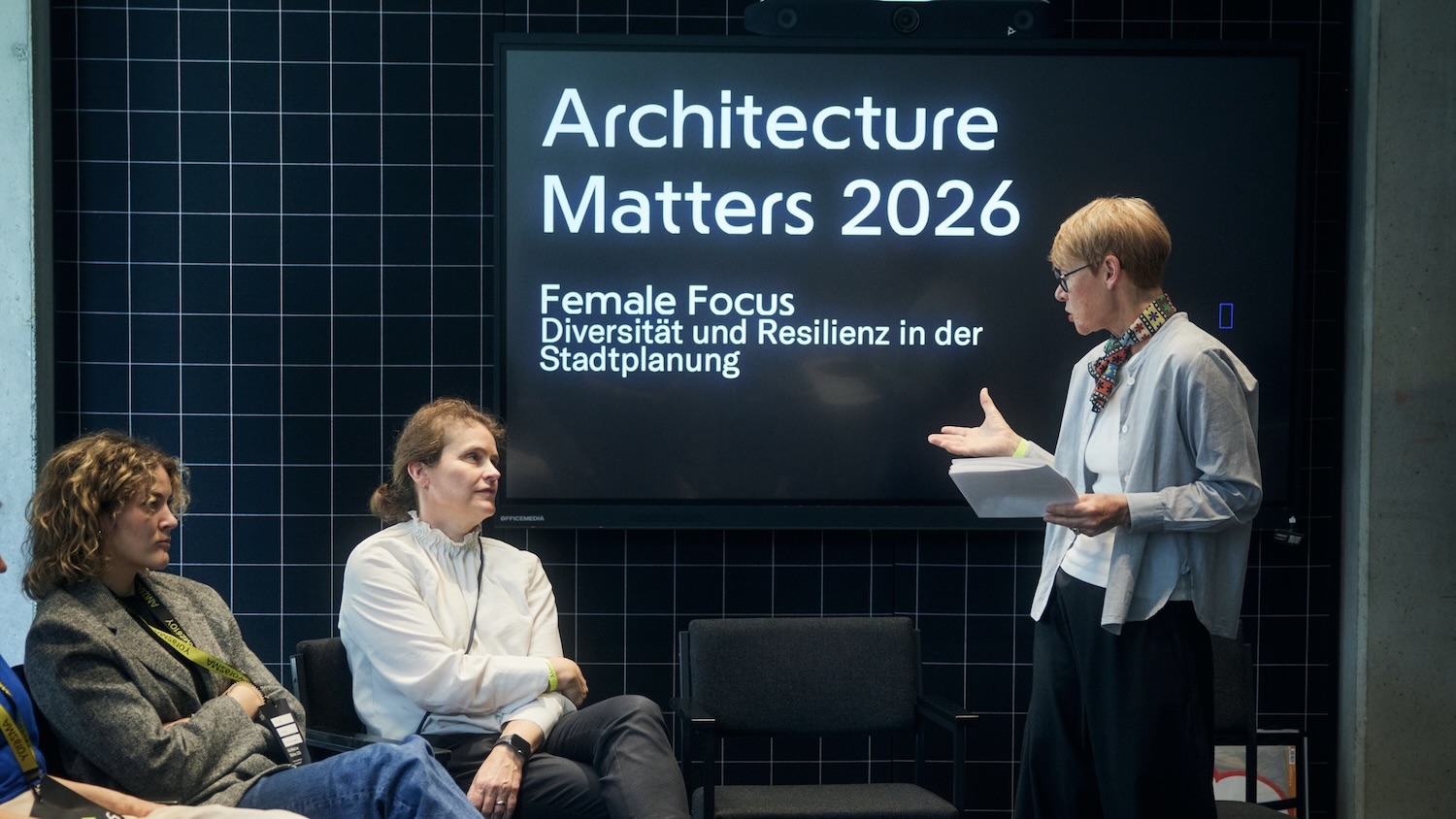
In the Female Focus session, Regula Lüscher shared her personal experiences with leadership and power during her time as Berlin’s Senate Building Director. The discussion explored how women can make use of their own strengths without feeling the need to imitate—or even outperform—the traditionally male leadership styles that have long shaped professional environments.
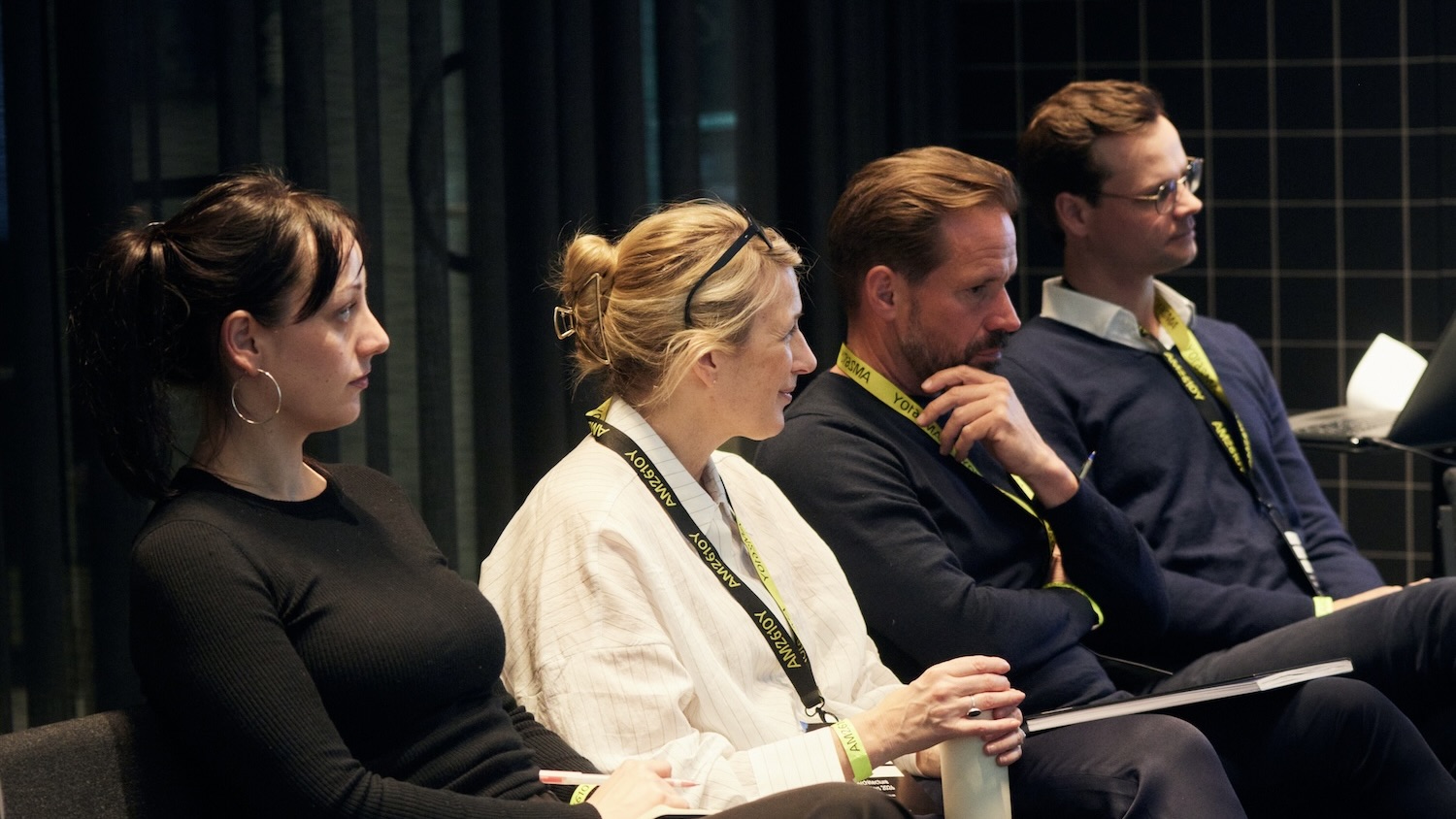
With 17 women and two men participating, the session provided an open setting for participants to reflect on their own experiences as women in leadership positions. Topics ranged from career development and decision-making to visibility, confidence and the challenges of navigating organisational structures that are still often shaped by unequal power dynamics.
The session concluded with a forward-looking exercise: participants were asked what they would change following the workshop. The responses left Regula Lüscher optimistic. All participants committed to taking concrete steps to improve both their personal situation and the broader gender balance within their professional environments.
Programme and Moderation: Regula Lüscher, Die Stadtmacherin