The Latvian city of Liepāja does not see itself as being on the edge of Europe. As the European Capital of Culture 2027, it aims to show what the rest of the continent can learn from the Baltic region.
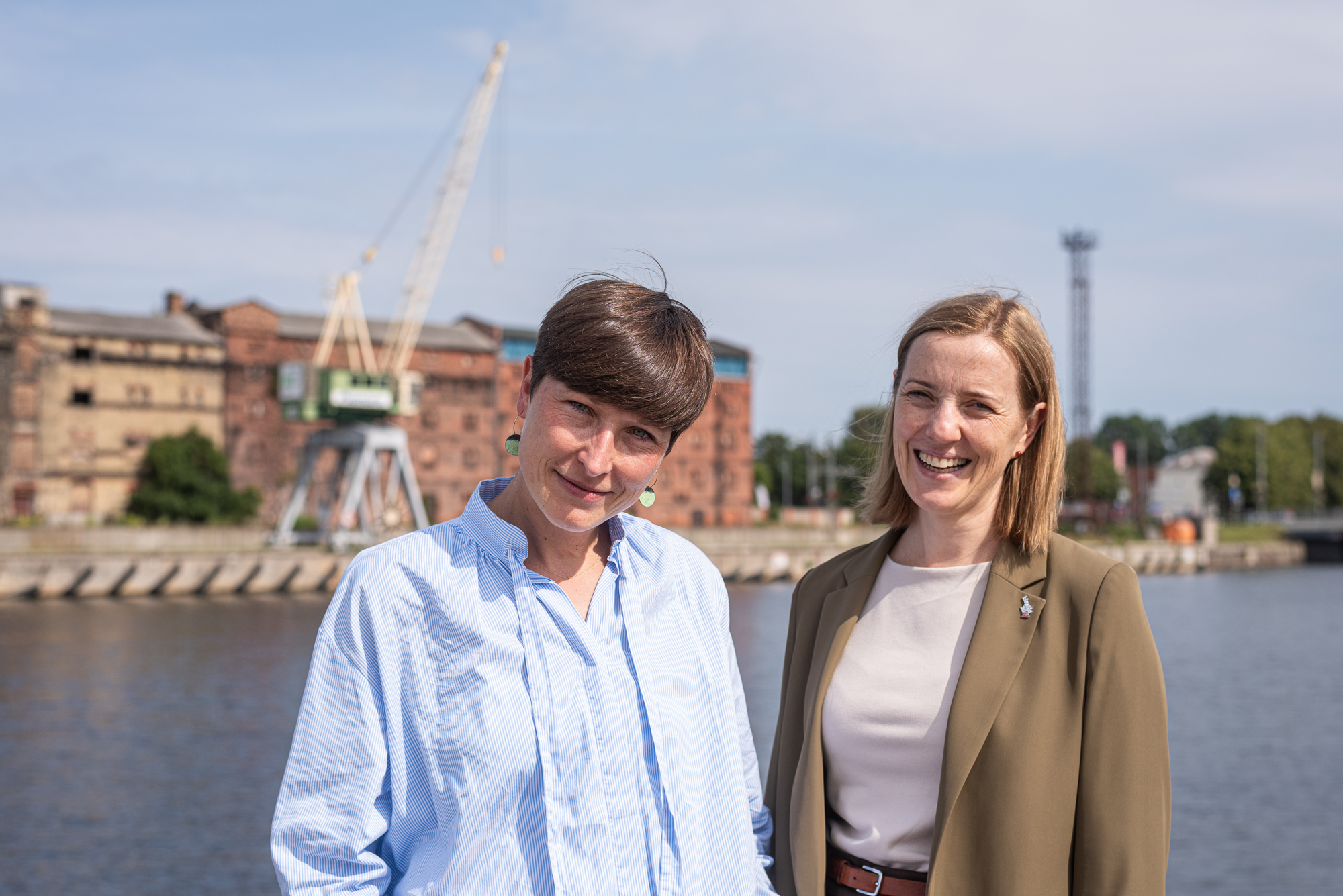
Nadin Heinich: Why did Liepāja want to become a European Capital of Culture?
Inta Šoriņa: Because Liepāja has never thought of itself as culturally provincial. The city is home to both a professional theatre and a symphony orchestra – a combination found nowhere else in Latvia outside Riga. So when we decided to apply in 2020, there was a great deal of confidence. We were almost too certain that Liepāja was destined to receive the title. It was only during the application process that we realized this confidence was actually our weakness. The real question was not, Why should we win? It was, What do we want to tell Europe?
Nadin Heinich: What emerged from that process?
Inta Šoriņa: We realized that we had to rediscover our city. Not from the inside, but with a certain distance. We worked on the application during the pandemic, when almost everything happened online through countless conversations and coordination meetings. It became clear that Liepāja – which will become Latvia’s second European Capital of Culture after Riga in 2027 – cannot be understood in isolation. In 2027, the title will not belong to Liepāja alone, but also to the South Kurzeme region and the town of Kuldīga. The region is an essential part of the story. It is about collaboration, shared identity, and the question of how culture can create an impact beyond municipal boundaries.
Nadin Heinich: The motto of Liepāja 2027 is “(un)rest.” What does it mean to you?
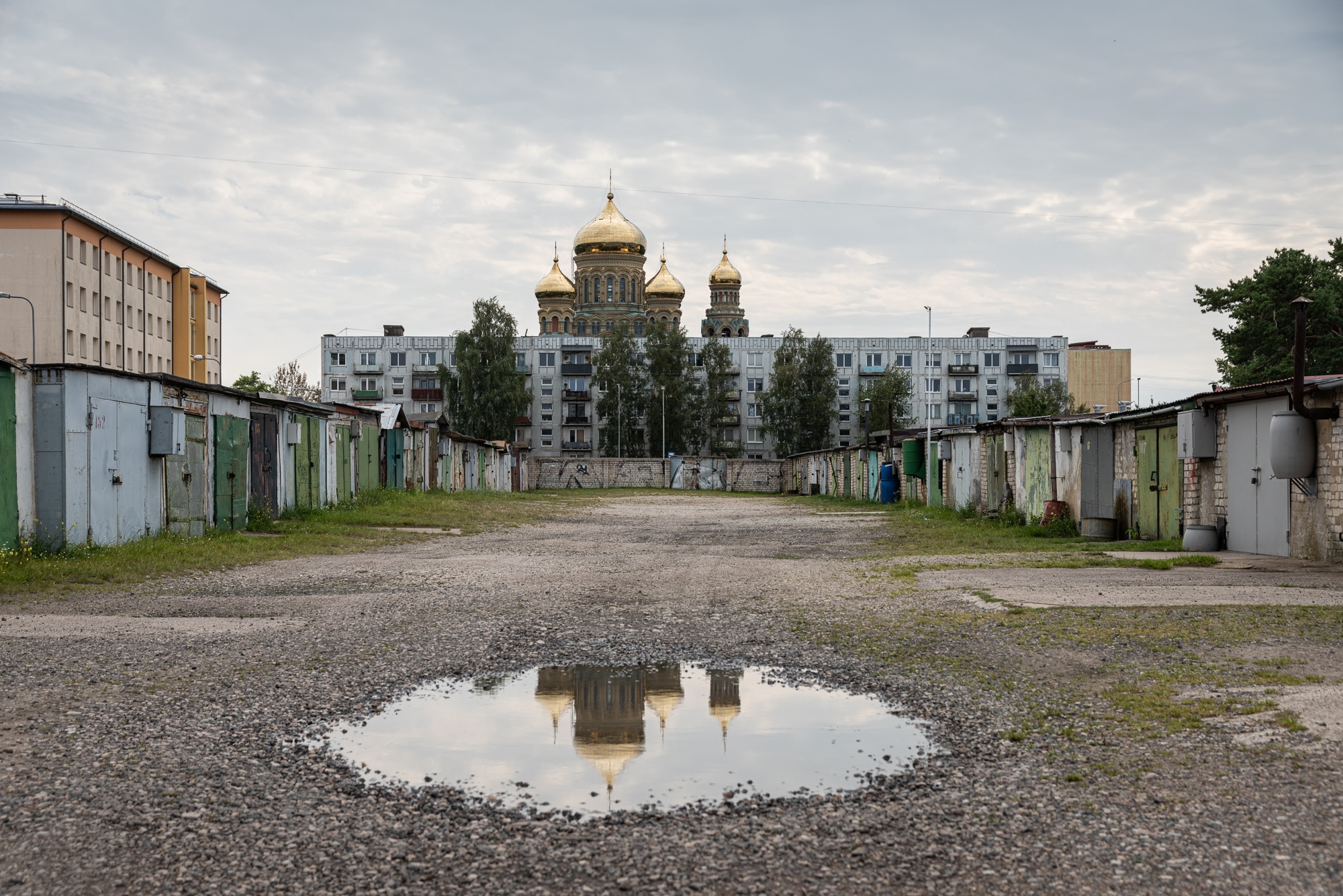
Inta Šoriņa: The word describes our condition remarkably well. Liepāja is a city suspended between calm and unrest. We are located on the Baltic Sea, along a coastline that is both open and vulnerable. There is extraordinary natural beauty here, but also a historical and political unease that never fully disappears. To me, “(un)rest” also means that we are not finished. This city is not a completed picture but a place in the making. It is precisely this state of becoming that generates creativity. For us, it is not a marketing slogan but a political and cultural description of who we are.
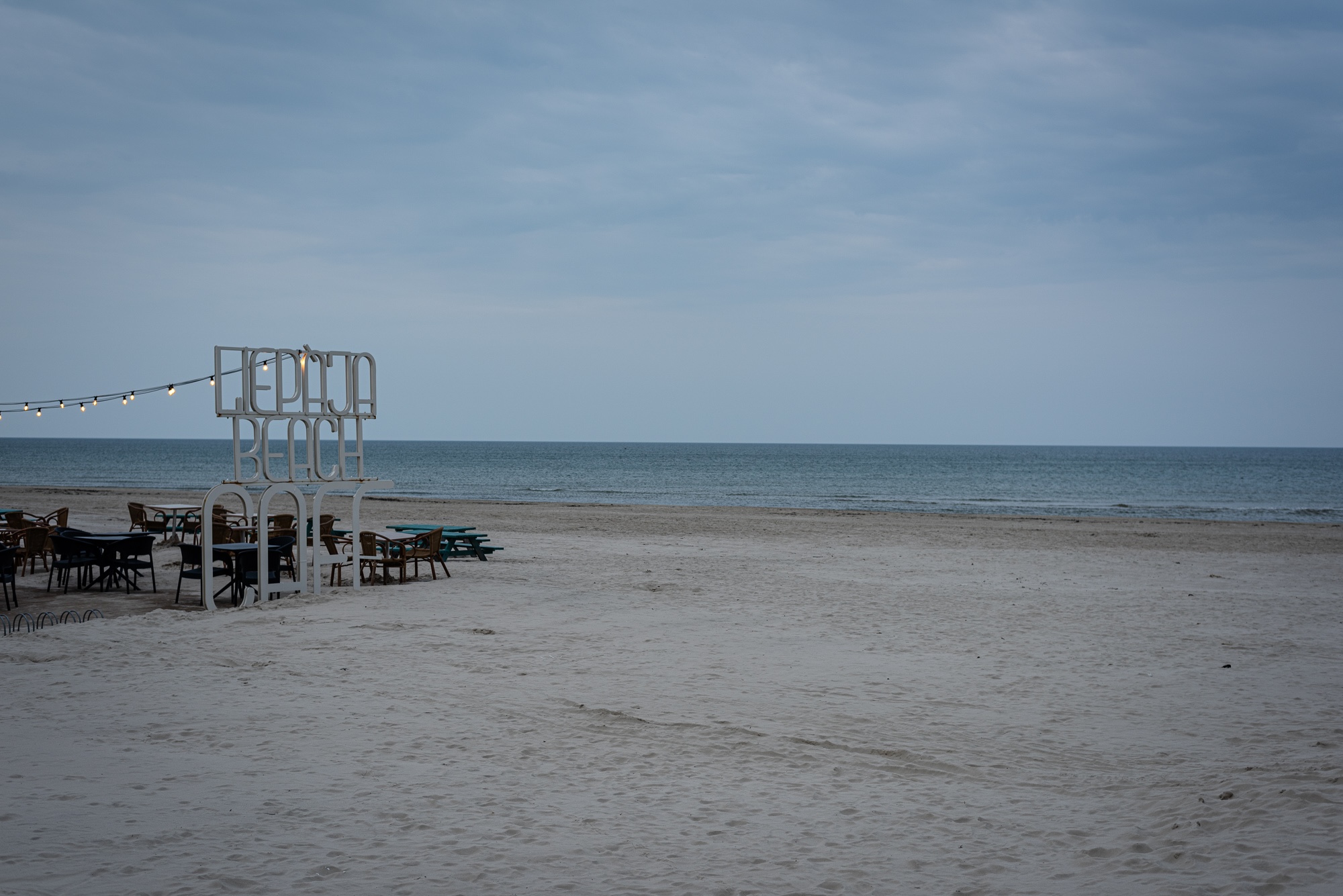
Nadin Heinich: Russia appears only indirectly in your application book. Why is the subject nevertheless so central?
Inta Šoriņa: Because in the Baltic region, it can never simply be ignored. When Russia launched its full-scale invasion of Ukraine, many of us did not experience it as an abstract geopolitical shock, but as something deeply personal. Suddenly there was a sense that what was happening in Bucha had, in a different form, already happened to our own families. Stalinist terror has never truly been reckoned with internationally, and Russia was never required to take responsibility for the imperial system of violence that shaped the Soviet era. We have lived with this knowledge for decades. In Western Europe, it was not taken seriously enough for far too long.
Nadin Heinich: Do you mean that Latvia understood earlier what kind of threat Russia posed?
Inta Šoriņa: We had to understand it because we carry that history within our own country. In Liepāja, there is the added fact that a significant part of the population is Russian-speaking. Many people are loyal to Latvia and fully part of this society. But there are also groups who remained within a Russian information sphere for years. The war exposed what we had tolerated for too long: parallel realities, propaganda, and conflicts over language and memory. This tension is real. It is part of our everyday life, even if it is not always visible from the outside.
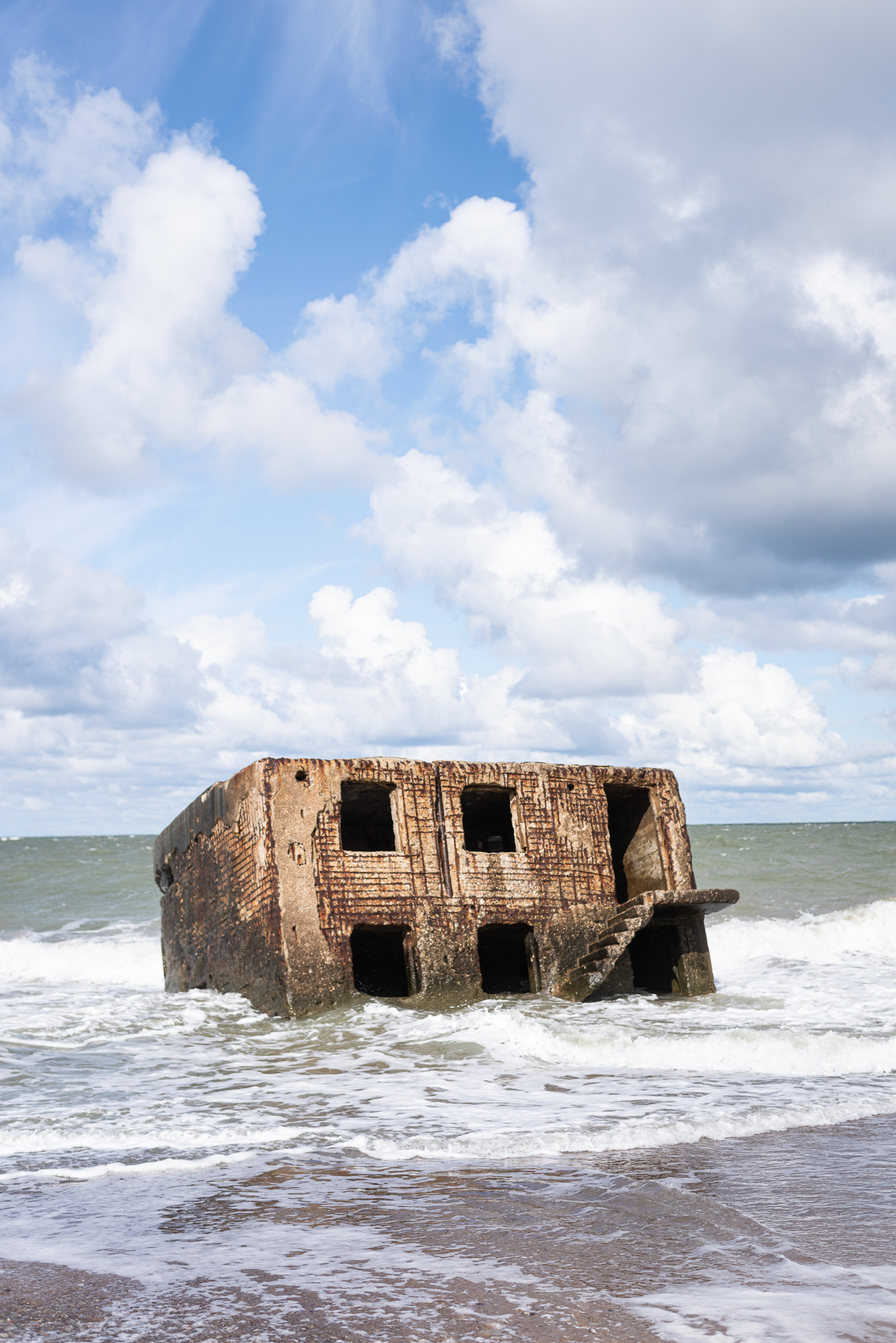
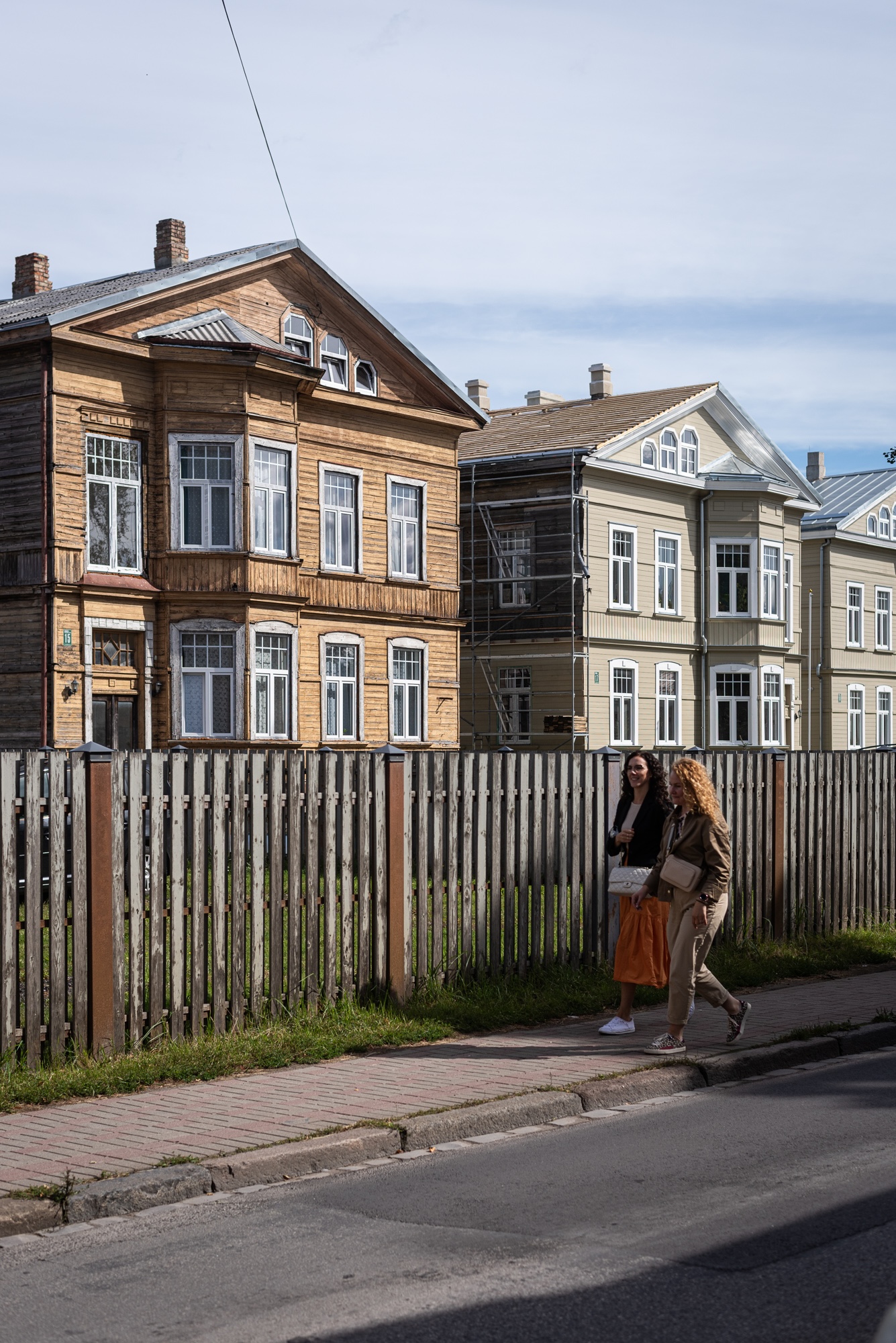
Nadin Heinich: What do you hope for from Germany and Western Europe?
Inta Šoriņa: A greater willingness to listen to the experiences of the Baltic states. For a long time, we looked to Western Europe as if we first had to become “European.” The most important mental shift for me in recent years has been realizing that we are not on the edge of Europe—we are Europe. And we bring with us a body of knowledge that is often missing in the West: about imperial continuities, Russian soft power, and the fragility of freedom. Germany in particular underestimated Russia for a long time, not only politically but also culturally and mentally. Many things were dismissed as folklore, nostalgia, or mere symbolism when, in reality, they were expressions of political power.
Nadin Heinich: What can a European Capital of Culture achieve in such a situation?
Inta Šoriņa: It cannot replace a security architecture. But it can create a public space for dialogue, foster collective reflection, and bring people out of their bubbles. That is essential for us. One of Latvia’s greatest challenges is not only the geopolitical situation but also growing social fragmentation—the coexistence of groups, neighborhoods, and communities that barely speak to one another anymore. Liepāja 2027 is therefore an attempt to relearn participation: locally, regionally, and across Europe. If we succeed, the legacy of this title will extend far beyond a single year of cultural events.
About: Inta Šoriņa is Chair of the Board of the Liepāja 2027 Foundation. As Project Director, she led the city’s successful bid to become a European Capital of Culture. Previously, she served as Managing Director of the Liepāja Region Tourism Information Office.
Text: Nadin Heinich (plan A)
Photography: Heinrich Völkel (Ostkreuz)
