Former Head of Culture at the Odesa City Council, Ivan Liptuga, reflects on the shelling of the historic city centre, the political sensitivity of street names and monuments, and the challenge of preserving the port city’s rich and layered cultural heritage in times of war.
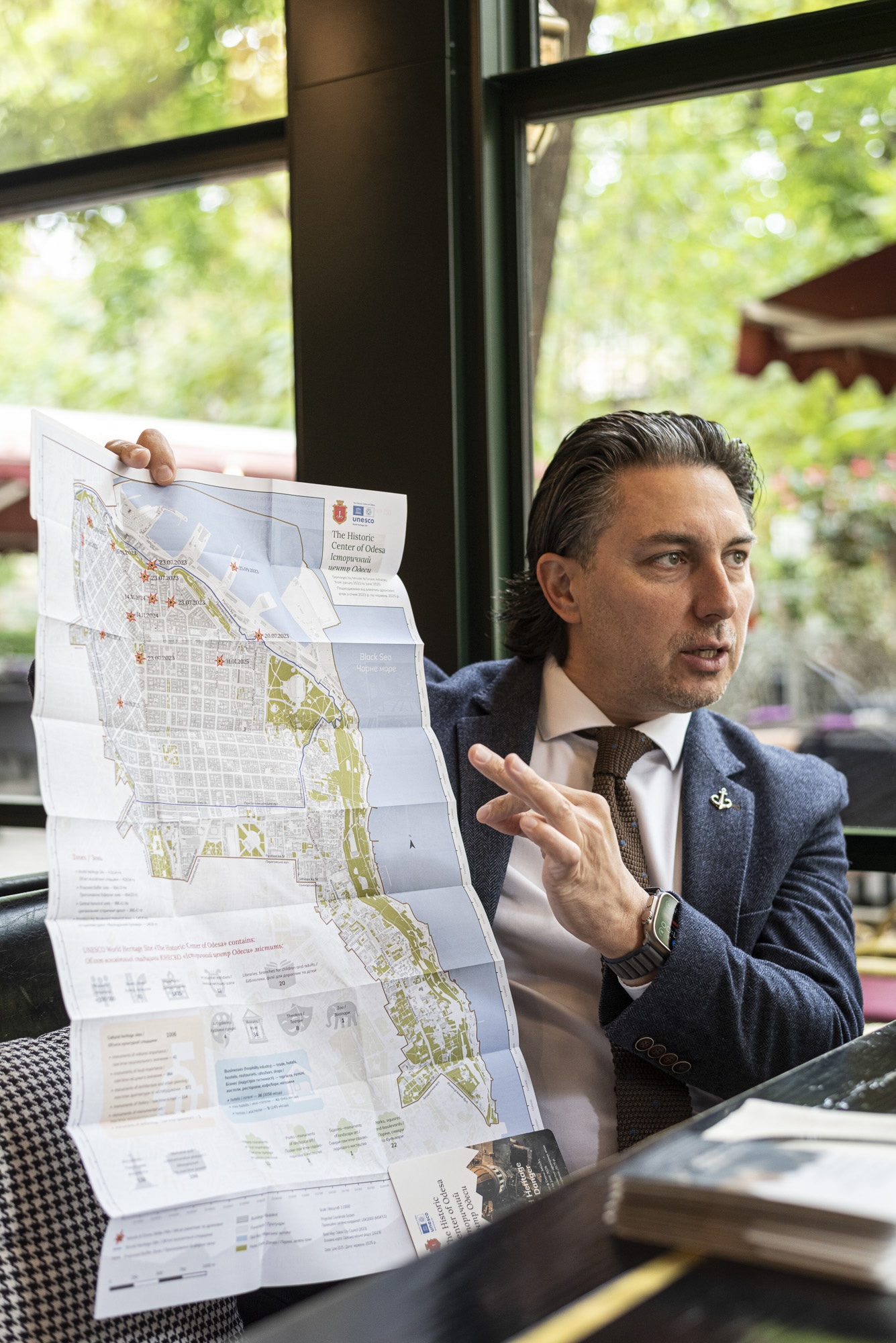
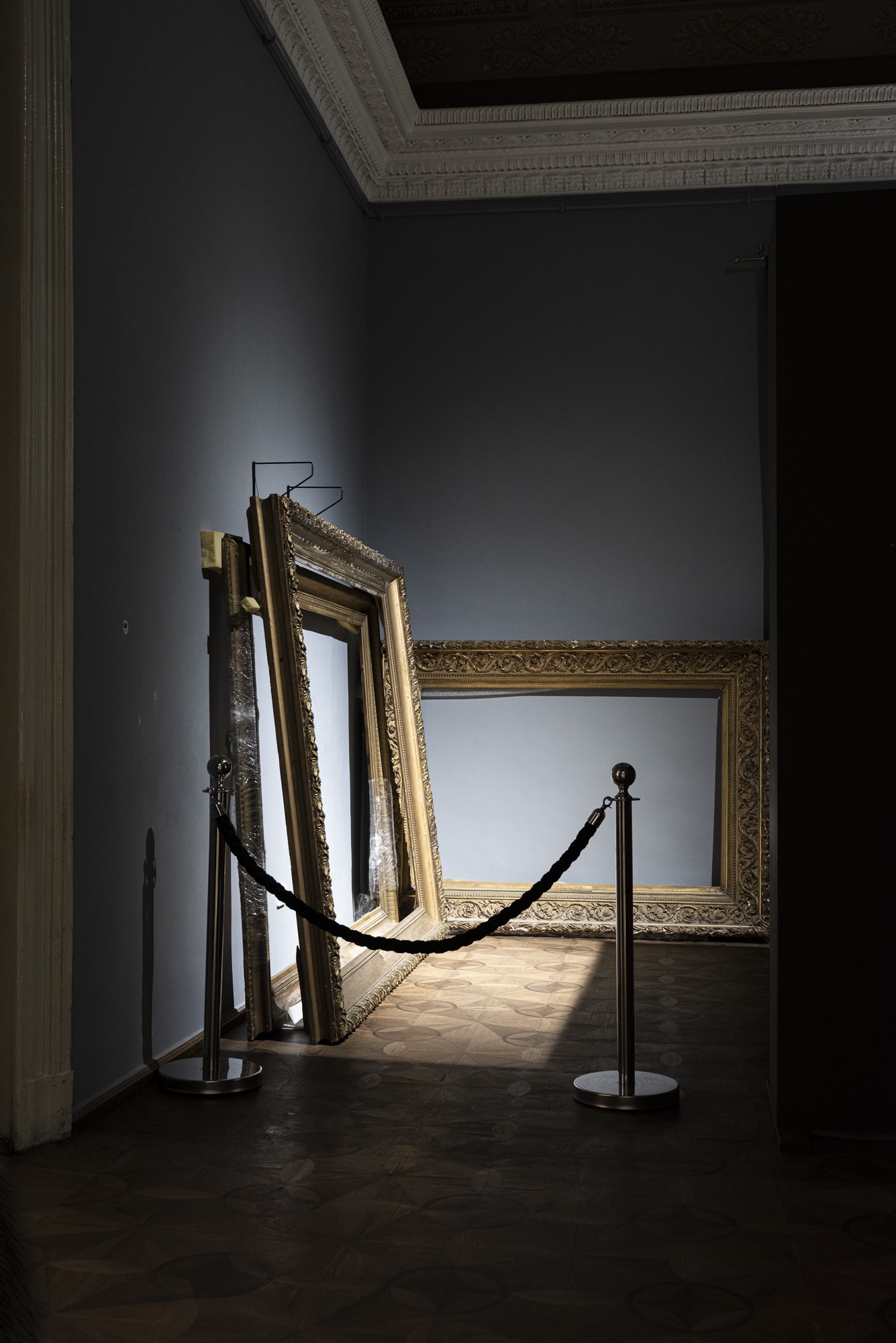
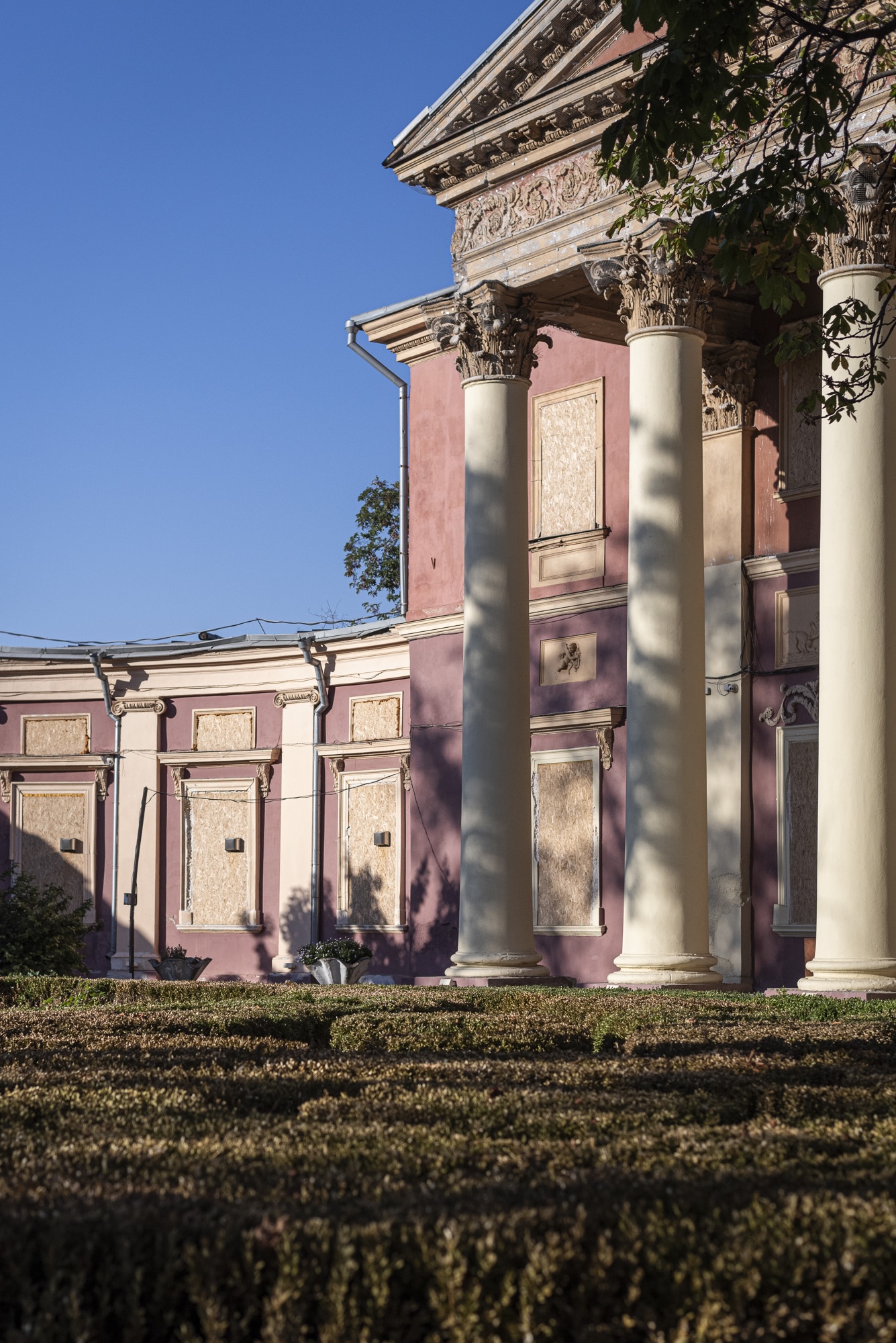
Ivan Liptuga: I have brought a map of Odesa. It shows the UNESCO core zone, which largely corresponds to the territory of the 19th-century Porto Franco, as well as the buffer zone that protects the World Heritage Site. The map also documents Russian attacks on the historic city centre. Since January 2023, the World Heritage Site has repeatedly come under large-scale attack. Around 170 listed buildings have been damaged so far, including some of the city’s most important museums—the Archaeological Museum, the Odesa National Fine Arts Museum, the Maritime Museum—as well as the Transfiguration Cathedral. Where are you staying in Odesa?
Nadin Heinich: At the Bristol.
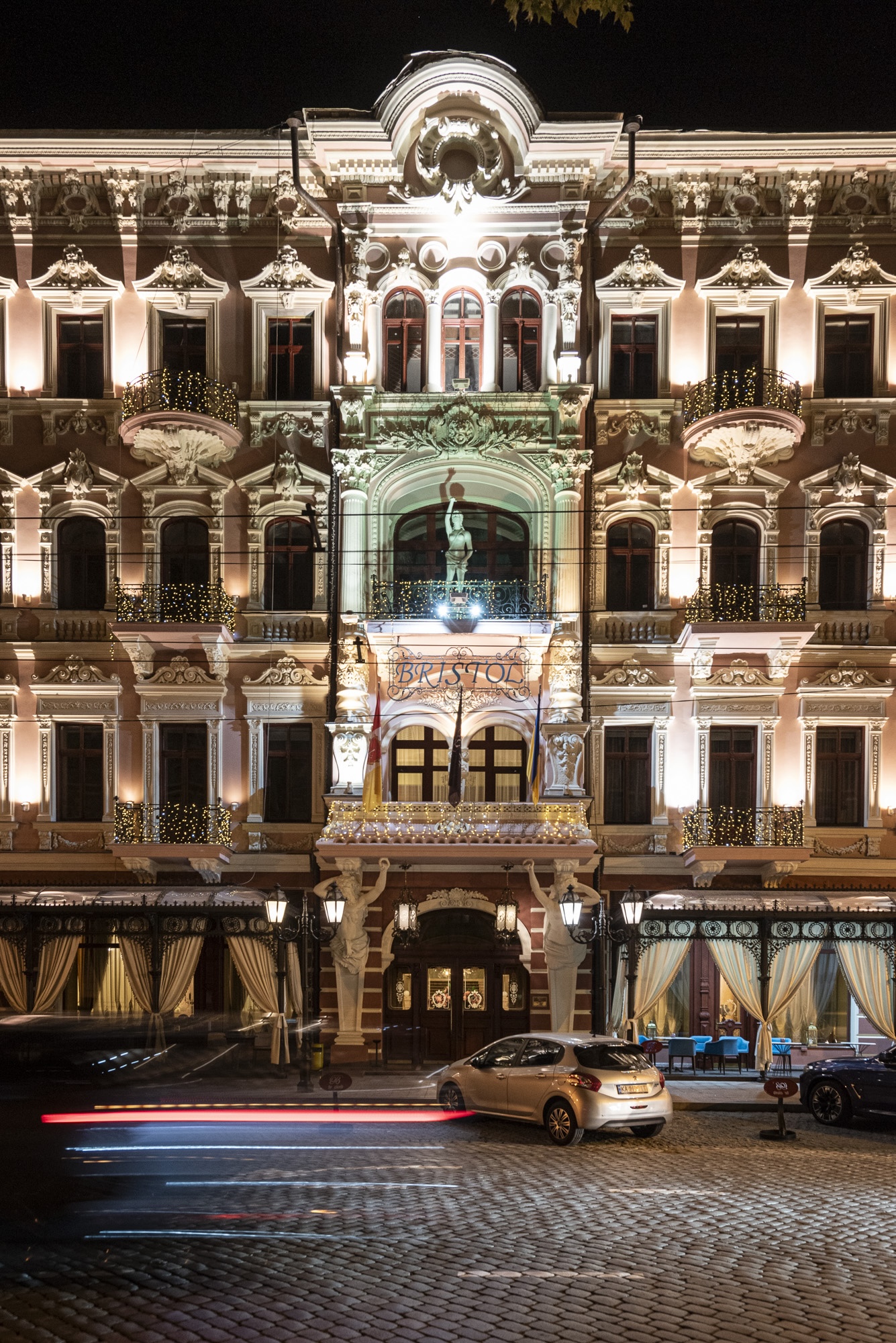
Ivan Liptuga: The Bristol? You know the hotel was severely damaged in a missile strike in January?
Nadin Heinich: Yes. It has just reopened, although not all floors are back in operation yet. We are among its first guests.
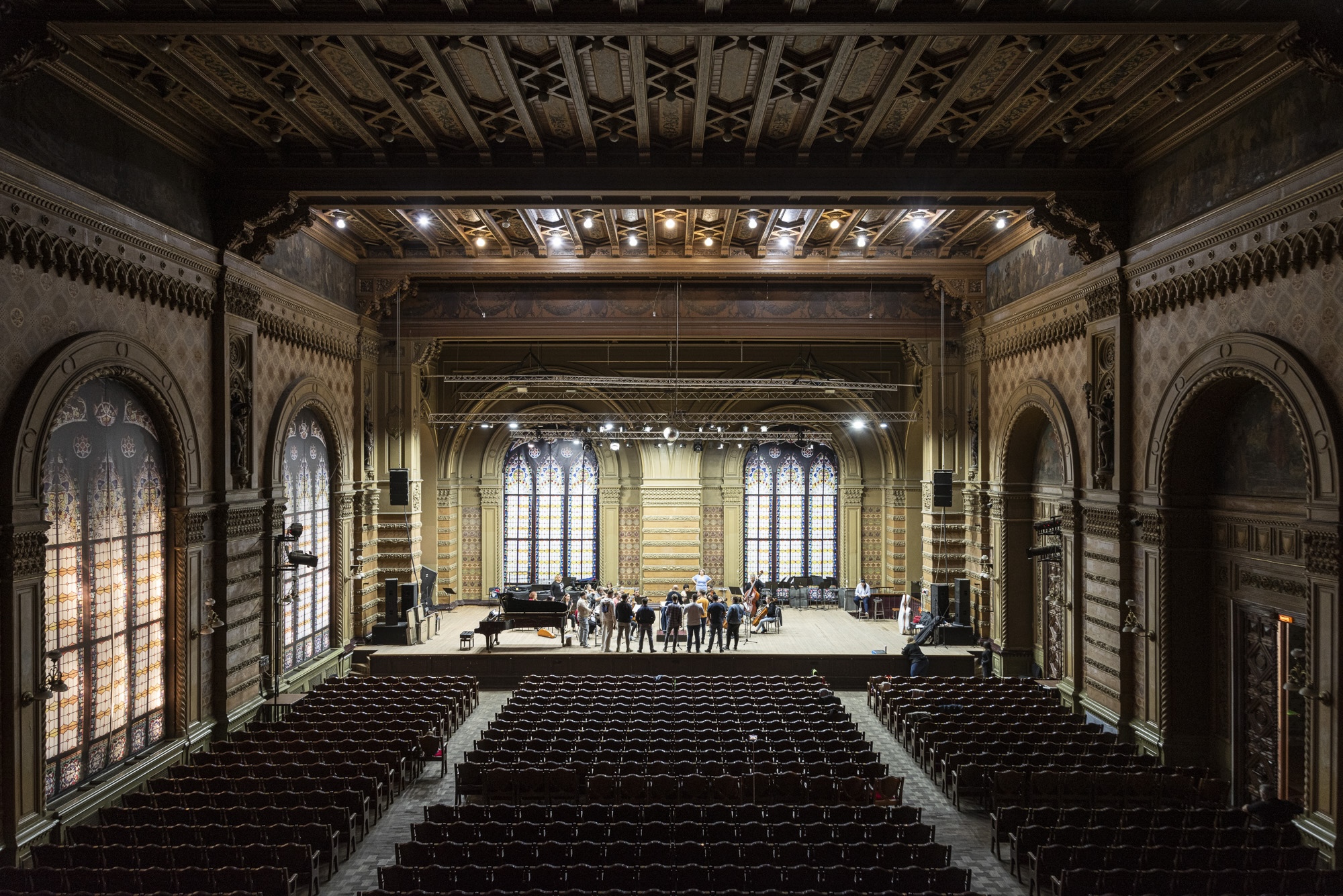
Ivan Liptuga: It remains a great mystery why the Bristol, of all places, was targeted. It stands in the heart of the UNESCO zone—a listed historic building surrounded by other protected landmarks, including the Philharmonic Hall. The strike was highly precise. Friday evening, seven o’clock. Three missiles hit the interior of the hotel, primarily the large conference area. The façade remained almost intact, apart from shattered windows. The main hall had been regarded as one of the city’s few certified shelters, and many international organisations held their events there.
For many people in Odesa, the attack came as a profound shock. We now experience drone attacks almost every night. The heaviest strikes are usually directed at the port, energy infrastructure or military facilities. But the Bristol? In this war, there are more questions than answers. I cannot find any logic in it.
Nadin Heinich: Did you expect this war?
Ivan Liptuga: I was born in 1979, when Ukraine was still part of the Soviet Union, and remained a Young Pioneer until 1991. I know what a communist upbringing meant. My children identify far more naturally as Ukrainians than either my generation or my parents’ ever did. From a European perspective, the Soviet Union may have seemed strange. But in my view, Putin and today’s Russia have nothing to do with that world anymore. He has discredited the legacy of previous generations—for centuries behind us, and perhaps for centuries to come. Russia is not only destroying its neighbouring countries. It is attacking our fundamental understanding of law, security and order. Its message is simple: We do it because we can—and because no one stops us.
Odesa has always been a predominantly Russian-speaking city. As a public official at the City Council, I am required to use Ukrainian in all official communication. Within my family and among friends, however, we all speak Russian. For decades, Russia and Ukraine were closely interconnected on every level—through the railways, the ports, trade fairs and literature. No one imagined that such a war could happen. I didn’t believe it myself, not even in January 2022. What had happened since 2014 in Crimea and eastern Ukraine seemed to many of us more like a series of provocations and political manoeuvres than the prelude to a full-scale invasion. Even less did we expect Ukraine to prove so resilient and determined.
Nadin Heinich: How do you balance immediate emergency measures with long-term strategies for preserving Odesa’s historic building stock?
Ivan Liptuga: In the short term, our resources are extremely limited. Part of the municipal budget goes towards supporting the country’s defence, while at the same time we have to help residents repair the damage caused by the war. Thousands of families have lost their homes or are living in damaged buildings, and no one knows when this war will end. We are creating new housing, supporting veterans and working to make the city more accessible. For the time being, our priority is simply survival.
Nadin Heinich: During the Soviet era, private ownership of urban housing was severely restricted. Following the mass privatisation of the 1990s, most residential property in Ukraine is now privately owned. Who owns the buildings in the historic centre today?
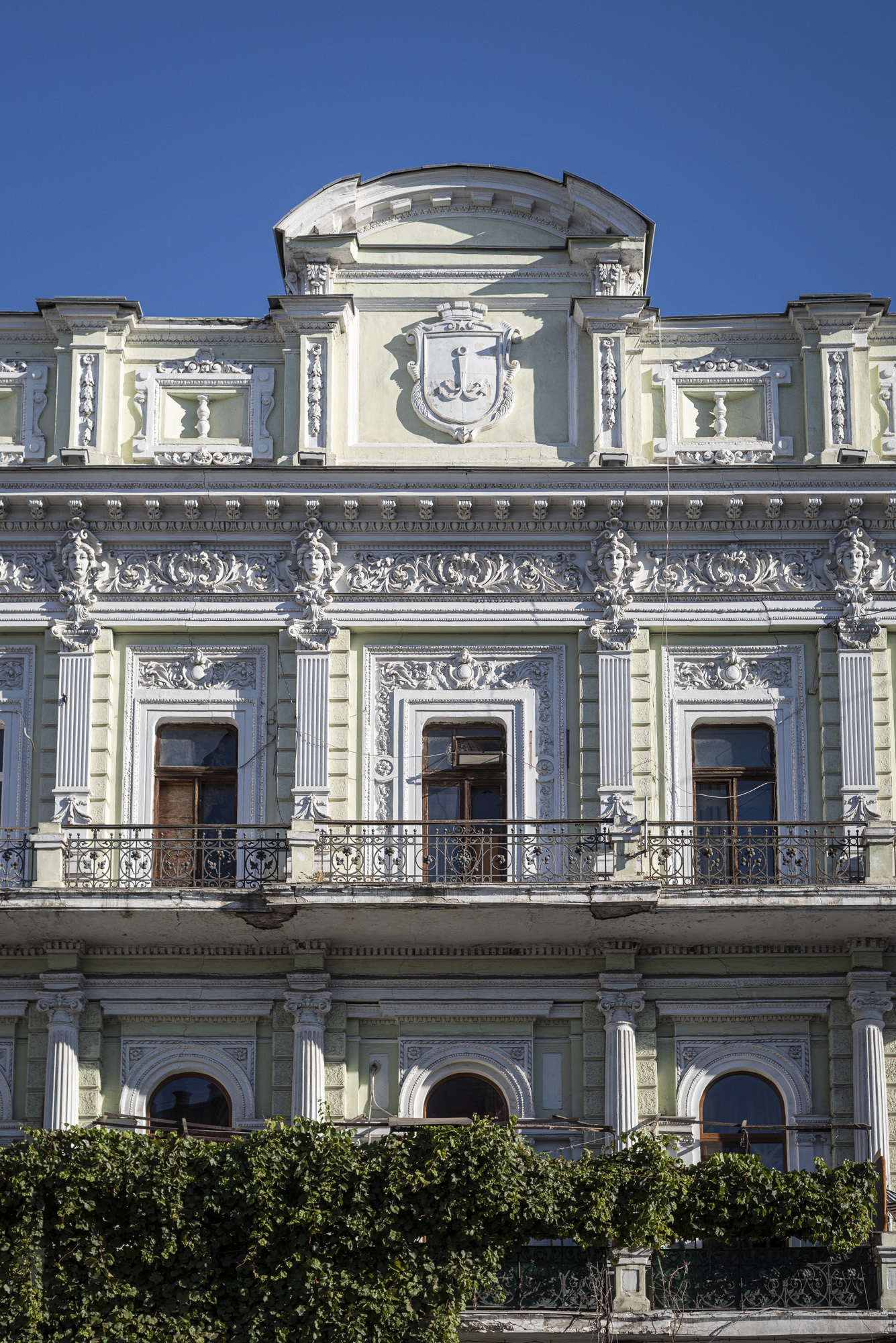
Ivan Liptuga: Privatisation was rarely a conventional purchase. In most cases, apartments were transferred to the people who were already living in them. As a result, ownership today is highly fragmented. Some buildings—or individual apartments—are privately owned, while others remain in public ownership, whether by the state, the regional authorities or the city. This mix of ownership is particularly complex in the historic centre.
Nadin Heinich: Since the historic city centre is a UNESCO World Heritage Site, is there a dedicated fund to support the restoration of its buildings?
Ivan Liptuga: UNESCO is not a funding institution but an intergovernmental organisation that sets standards and issues recommendations. There is no fund capable of financing the restoration of the entire historic building stock—that would require enormous resources. There is, however, international support for individual projects. With this assistance, we are currently working on the fundamentals, including a more comprehensive survey of what actually needs to be protected.
During the Soviet era, many buildings received only superficial repairs, usually limited to their façades. Today, responsibility for maintenance and restoration often lies with the owners or property management companies. But many residents—particularly older people and low-income families—simply cannot afford the costs. As a result, much of the work that should have been carried out long ago remains undone. In the end, the burden inevitably falls back on the city. Managing this was already difficult in peacetime; under wartime conditions, it is an even greater challenge.
Nadin Heinich: What does it mean in practical terms for Odesa’s historic city centre to be a UNESCO World Heritage Site?
Ivan Liptuga: Above all, it brings international visibility and political protection. It has changed a great deal. Odesa first applied for UNESCO World Heritage status in 2008 but was rejected several times. The UNESCO zone is extensive and includes a number of architecturally less harmonious buildings, some dating from the Soviet era. It was only under the conditions of war that the nomination process was accelerated. Since January 2023, Odesa has been inscribed on both the World Heritage List and the List of World Heritage in Danger. Under the 1972 World Heritage Convention, States Parties undertake not to take any deliberate measures that could directly or indirectly damage cultural or natural heritage located in the territory of another state. Against this backdrop, Russia’s role within the system is strikingly contradictory.
In July 2025, Italy and Ukraine signed an intergovernmental agreement in Rome providing for the restoration of six cultural landmarks in Odesa, including the Odesa National Fine Arts Museum, the Museum of Western and Eastern Art, the Philharmonic Hall and the Wedding Palace. The Zontag House on Prymorskyi Boulevard is to become a UNESCO centre coordinating the protection of the city’s World Heritage Site. Further partnerships are also being developed at municipal level, including with Venice, Rome and Genoa.
As I mentioned, UNESCO sets standards and issues recommendations. It is then up to national, regional and local authorities to adapt planning and heritage legislation so that it complies with the requirements of the World Heritage Convention. Inscription on the World Heritage List did not automatically designate every individual building in the historic centre as a monument of national significance. Rather, it is the historic centre as a whole that is protected as an ensemble of Outstanding Universal Value. Existing heritage designations and levels of protection remain unchanged. Anyone wishing to intervene in this sensitive urban fabric must, depending on the location and nature of the project, obtain approval from the relevant municipal, regional or national heritage authorities.
Nadin Heinich: All of them?
Ivan Liptuga: Not always all at once, but often several authorities at different levels. The problem is that old and new regulations currently coexist. The port is an industrial hub with rail infrastructure, shipping operations and cargo terminals, and it is regularly attacked in an effort to destroy our infrastructure. At the same time, the port area falls within the UNESCO-designated buffer zone. If damage occurs there following an attack—for example to a container terminal or railway infrastructure—the operators must register the necessary works in the state’s digital construction management system. Any project affecting listed buildings, their protection zones or historic urban areas is reviewed by the relevant heritage authorities. Until this review has been completed, the approval process cannot proceed in the usual way, even though certain procedures have been simplified under martial law.
Nadin Heinich: Renaming streets with Russian or Soviet names is an extremely sensitive issue here in Odesa…
Ivan Liptuga: These renamings were not our own initiative. The legal basis came from Kyiv in 2023, when Parliament passed the decolonisation law.
Nadin Heinich: But if Parliament approved it, doesn’t that reflect the will of the Ukrainian people?
Ivan Liptuga: The city’s official history, spanning some 230 years, is deeply intertwined with Russian culture. The names of scientists, writers, musicians, industrialists and patrons who lived and worked here are deeply embedded in Odesa’s collective memory. Since 2014, a series of laws has sought to decolonise public space, with the 2023 legislation significantly intensifying this process. Everything that could be interpreted as glorifying Russia, Russian imperial policy or its representatives is to disappear from the public realm. As a result, a large number of streets had to be renamed within a very short period of time. In addition, there is a list of monuments scheduled for removal or relocation.
Nadin Heinich: Have you become accustomed to living under this constant threat in Odesa?
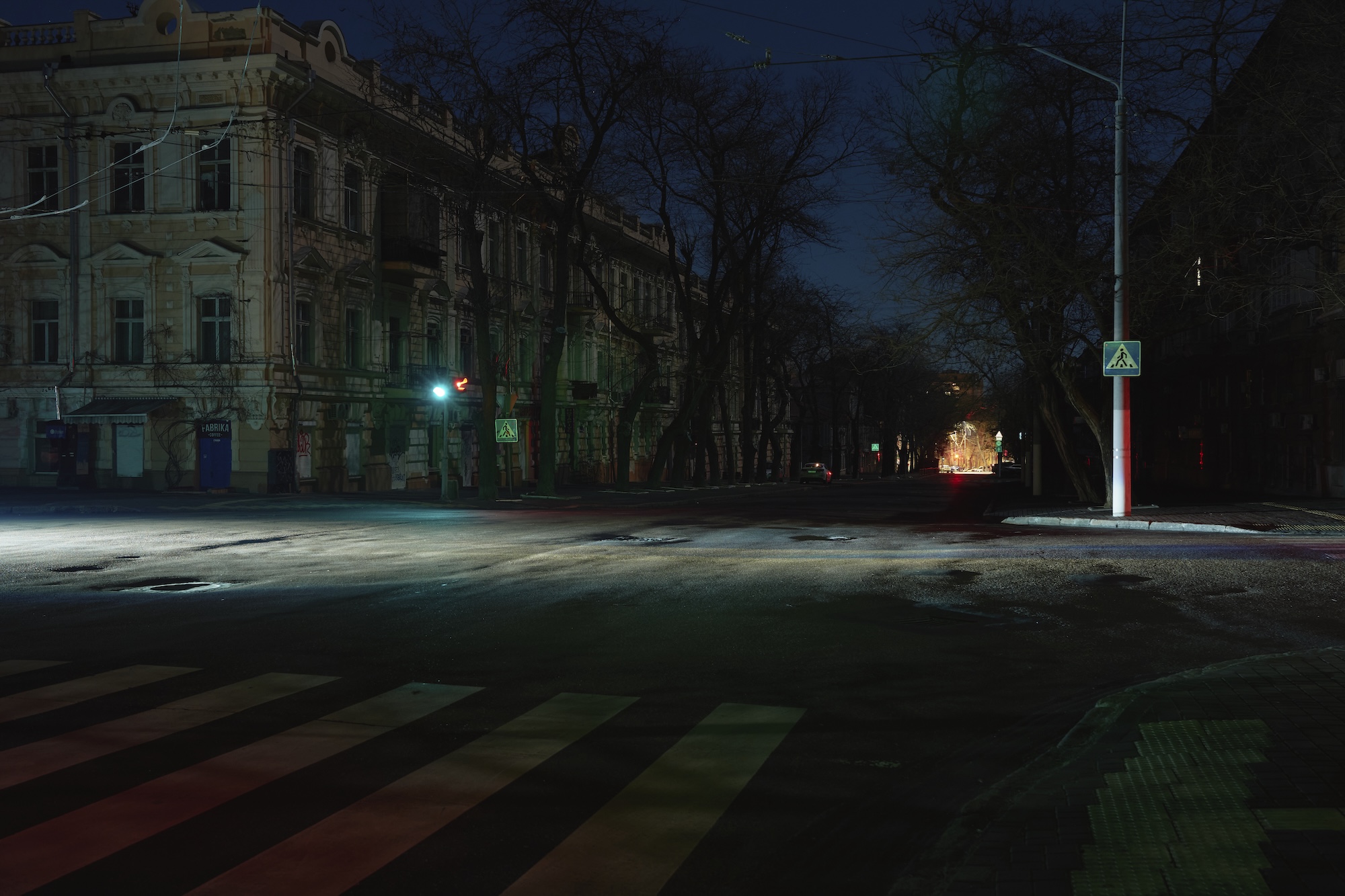
Ivan Liptuga: You can never get used to explosions. In March, the area where I live also came under attack. I live outside the city, near the port of Chornomorsk. Since the beginning of the war, there have been repeated strikes on the port and energy infrastructure, but this time our own neighbourhood was hit. There were fires all around us, people screaming, our neighbour was killed—you never become accustomed to something like that.
There is something deeply unsettling about the modernity of this war. We have countless apps, we can follow in real time what is flying where, and we know almost instantly what has happened. But of course, there are no guarantees. Who could have imagined that three ballistic missiles would strike the Bristol—a five-star hotel in the very centre of the city, in the heart of the UNESCO zone, right next to the Philharmonic Hall? I always considered it one of the safest places in Odesa. Now I can even imagine them firing at the Opera House.
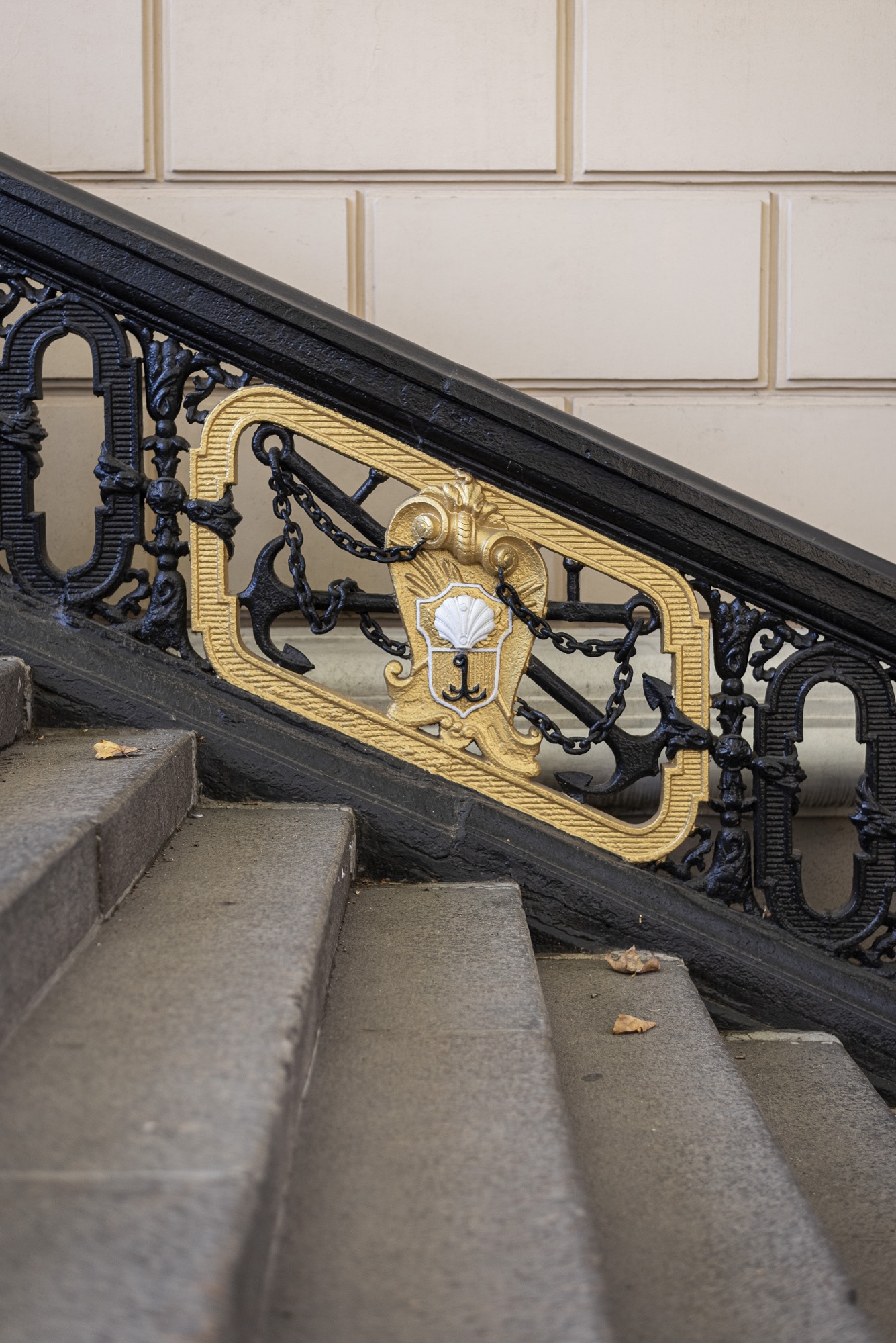
Odesa is younger than its myth suggests—and at the same time older than Catherine the Great. The name “Odesa” first appeared in a document dated 21 January 1795. In 1792, following the Treaty of Jassy, the territory became part of the Russian Empire. Two years later, Catherine II ordered the construction of a military harbour and commercial port at the settlement then known as Khadzhibei. Under the direction of the Spanish-born officer José de Ribas, work on the harbour facilities and cathedral began on 2 September 1794—a date that Odesa continues to celebrate as the city’s official founding day.
Yet the new city was not built on empty land. Khadzhibei had existed since the early fifteenth century as a settlement founded by the Crimean Khan Hacı Bey, complete with a fortress, mosque, Muslim cemetery, taverns and an already significant grain port. Over the centuries, the settlement passed from the Crimean Khanate to the Grand Duchy of Lithuania, later to the Ottoman Empire, and only afterwards came under Russian rule. The imperial narrative of Odesa’s “founding” by Catherine the Great largely overlooks this earlier history.
During the nineteenth century, Odesa developed into one of the Russian Empire’s most dynamic ports and trading centres. Its rise was driven by the success of the harbour, liberal administrative policies and its status as a free port between 1819 and 1859. Governors such as the French-born Duke of Richelieu, who led the city from 1803 to 1814, and later Count Mikhail Vorontsov, Governor-General of New Russia and Bessarabia, laid out its strict orthogonal street grid, recruited Western engineers and physicians, and established theatres, a public library, a lycée and learned societies. Trade in grain and other commodities attracted Germans, Greeks, Jews, Italians, Ukrainians, Russians, Armenians and many others. Cosmopolitan Odesa became the fourth-largest city in the Russian Empire, after St Petersburg, Moscow and Warsaw. This period is still widely regarded as the city’s “Golden Age”.
It is precisely this legacy that makes today’s debates so contentious. Odesa’s Golden Age was inseparable from the structures of the Russian Empire. Under the 2023 Ukrainian law On the Condemnation and Prohibition of the Propaganda of Russian Imperial Policy in Ukraine and the Decolonisation of Toponymy, municipalities are required to remove from public space names, symbols and monuments associated with the Russian Empire, the Soviet Union or the present-day Russian Federation.
About: Ivan Liptuga served as Director of the Department of Culture, International Relations and European Integration at the Odesa City Council until November 2025, where he coordinated efforts to protect the city’s historic centre. A lawyer and economist by training, he is Chairman of the National Tourism Organisation of Ukraine.
Text: Nadin Heinich (plan A)
Photography: Heinrich Völkel (Ostkreuz)
