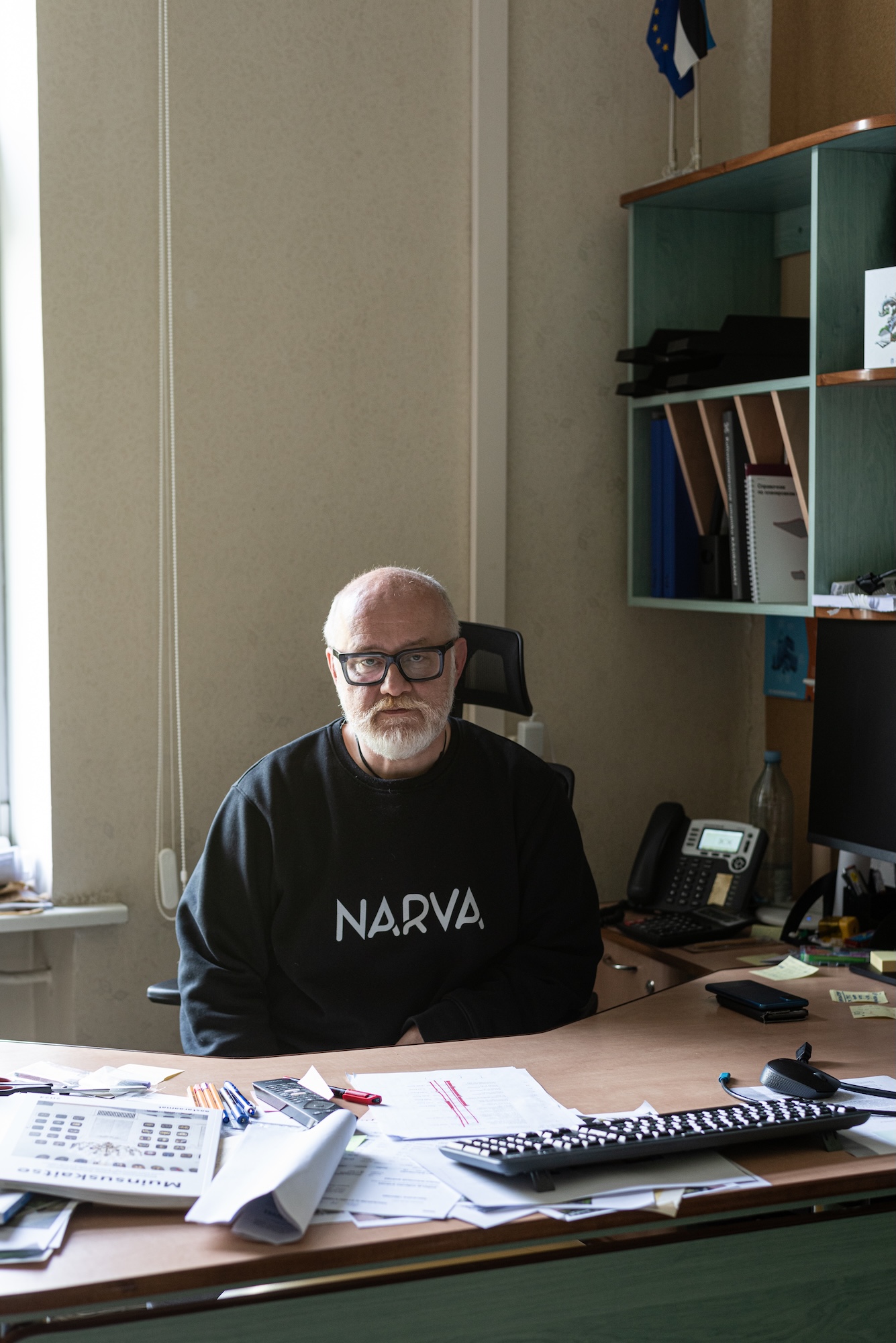
Nadin Heinich: I wanted to buy that sweater too, but they told me at City Hall that the black one was no longer available in my size.
Peeter Tambu: Then you need to ask more insistently. Tell them the Mayor wants you to help promote Narva.
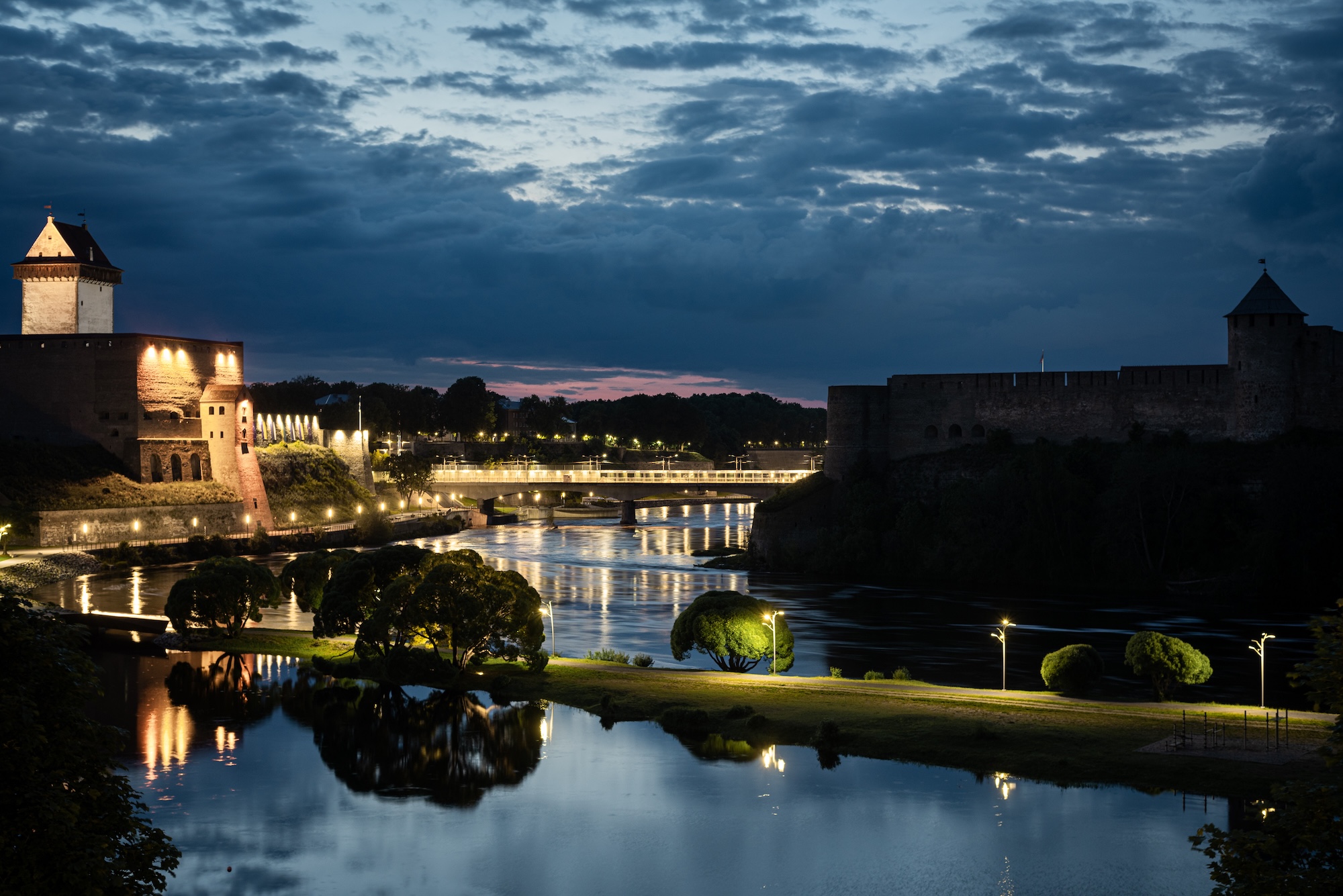
Nadin Heinich: We were surprised by how little military presence there is in Narva. The river marks the border between the European Union and Russia, yet the situation on the ground seems remarkably ordinary—people are fishing on both banks.
Peeter Tambu: Warfare today is no longer fought by the standards of 1944. From a military perspective, it would make little sense to attack Narva in isolation. With today’s weapons systems, it would not be a single border city under threat, but Estonia as a whole. A stronger military presence in Narva would therefore be largely symbolic.
In Western Europe, security is still often viewed through the lens of the Second World War. That is why the idea keeps resurfacing that Russia might use Narva to test NATO’s willingness to respond—to provoke the Alliance without attacking the entire country. I find that highly unlikely. Securing the river and the border is the responsibility of the police and the border guard. We haven’t built fortresses since the nineteenth century. An architect designs for life, not for war.
People who live here have learned to live with a constant sense of tension. You cannot exist in a permanent state of fear. Ukraine shows that even in wartime, people maintain everyday routines. A meeting is interrupted by an air-raid alert, everyone moves to a shelter, and afterwards they simply continue working.

Nadin Heinich: How deeply has this border condition shaped the city’s history?
Peeter Tambu: Narva is one of the oldest continuously inhabited places in Estonia, with archaeological evidence dating back to around 6500 BC. The city itself took shape in the thirteenth century around the Danish castle on the western bank of the river. The river has always been a defining feature of the landscape, but only rarely a hard border. Across the water stands Ivangorod Fortress, built by Russia in the late fifteenth century. The dialogue between Narva Castle and Ivangorod Fortress continues to define the character of the place to this day.
Under Swedish rule, Narva developed into one of the region’s most important border and fortress cities during the seventeenth century. The bastions, designed by Erik Dahlberg, gave the city the military topography that remains legible even today. In the nineteenth century, however, Narva’s centre of gravity shifted from the military to industry. With the establishment of Kreenholm, the city became a factory town on an extraordinary scale—at one time home to the largest textile mill in Europe.
Even the former fortifications were given a new meaning. The bastions were transformed into the Dark Garden, Narva’s oldest public park—a place where defensive architecture became public space.
Nadin Heinich: During the Second World War, Narva was almost completely destroyed within the space of just a few months in 1944. Why was the city hit so hard?
Peeter Tambu: Narva was by no means an isolated case. In the spring of 1944, several Estonian cities were bombed, and Soviet air raids struck numerous places across the Baltic region. In Narva, however, this violence became especially concentrated. The attacks of 6–8 March, followed by artillery bombardment and further destruction through July, reduced the historic Old Town to ruins. By the end of the campaign, up to 98 per cent of the city had been destroyed. The comparatively low number of civilian casualties was largely due to the fact that most of the population had already been evacuated.
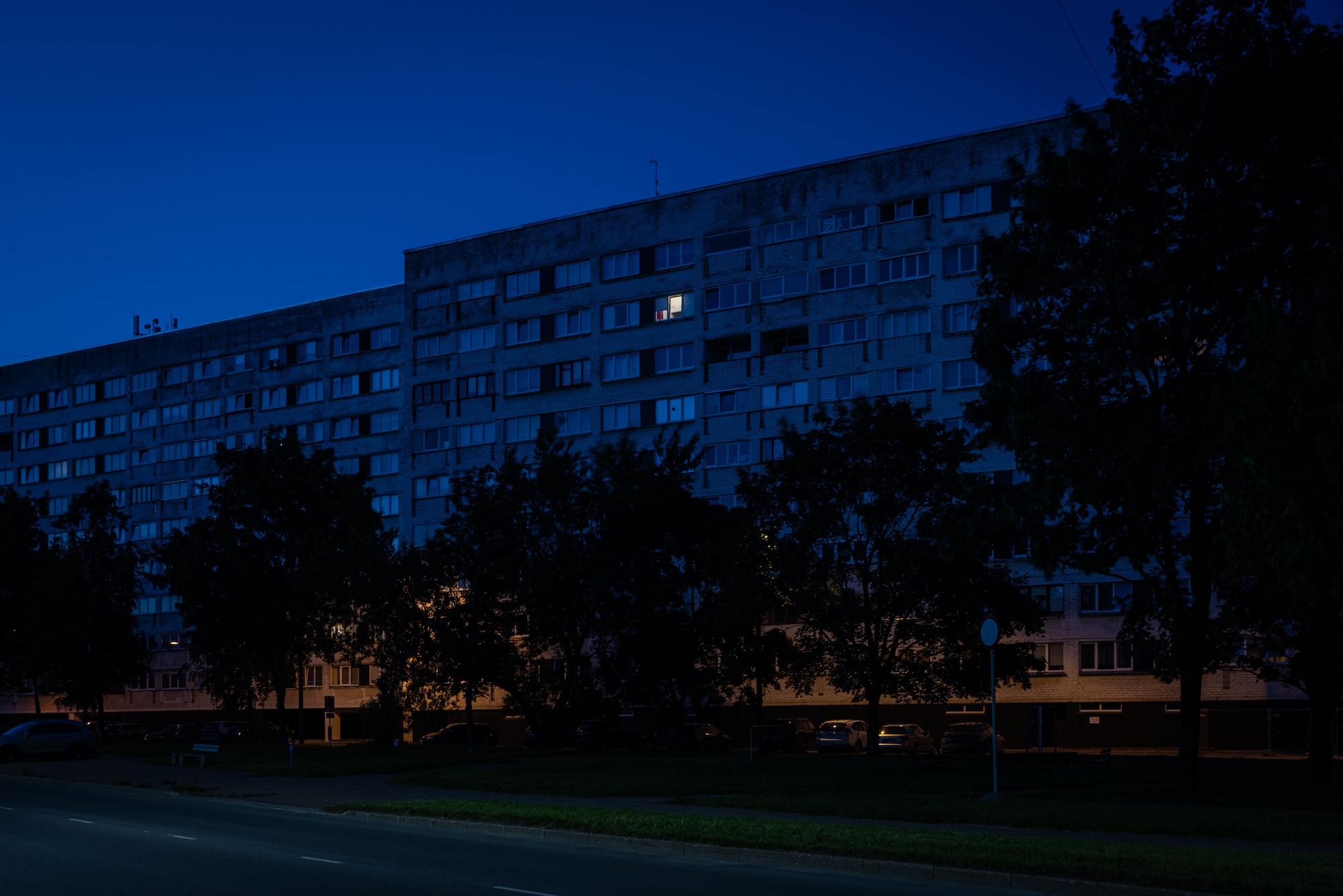
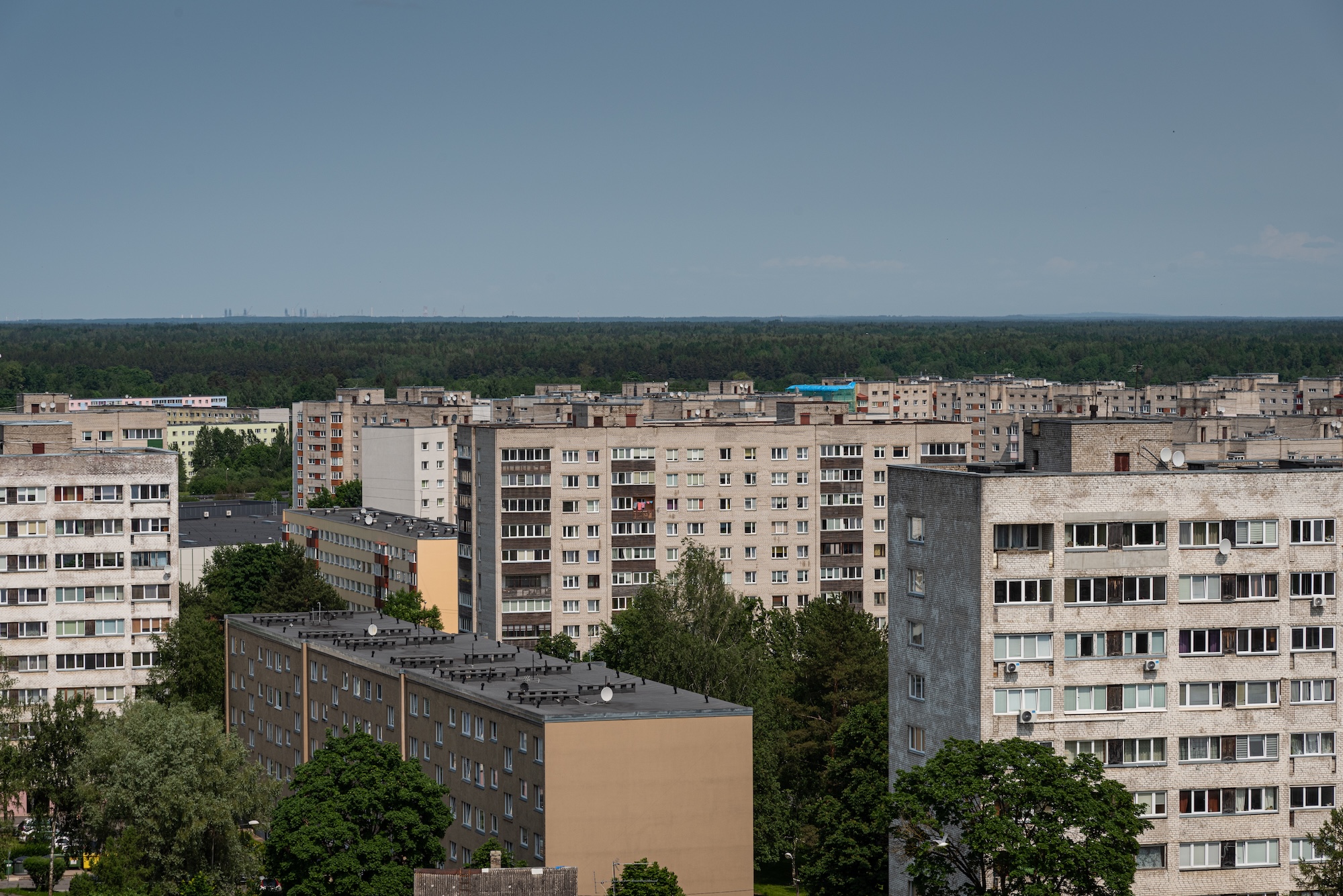
What is crucial, however, is what happened after 1945. Many buildings in the Old Town could, in principle, have been restored, and plans to do so did exist. But the Soviet authorities decided against reconstruction. During the 1950s, the ruins were systematically cleared away, and Narva was rebuilt as a Soviet industrial and workers’ city. Many of its former residents were never allowed to return. Instead, workers from other parts of the Soviet Union were brought in. Today’s Narva is therefore not only the result of wartime destruction, but also of a profound political and demographic reshaping of the city.
Nadin Heinich: How do you continue planning a city whose historic centre was almost erased?
Peeter Tambu: In Narva, we work simultaneously on several planning levels: the Old Town, the industrial district, and the city as a whole. The key is to concentrate development rather than allow it to spread outwards. Narva is a shrinking city, which is why we focus our efforts on the historic centre and the riverfront.
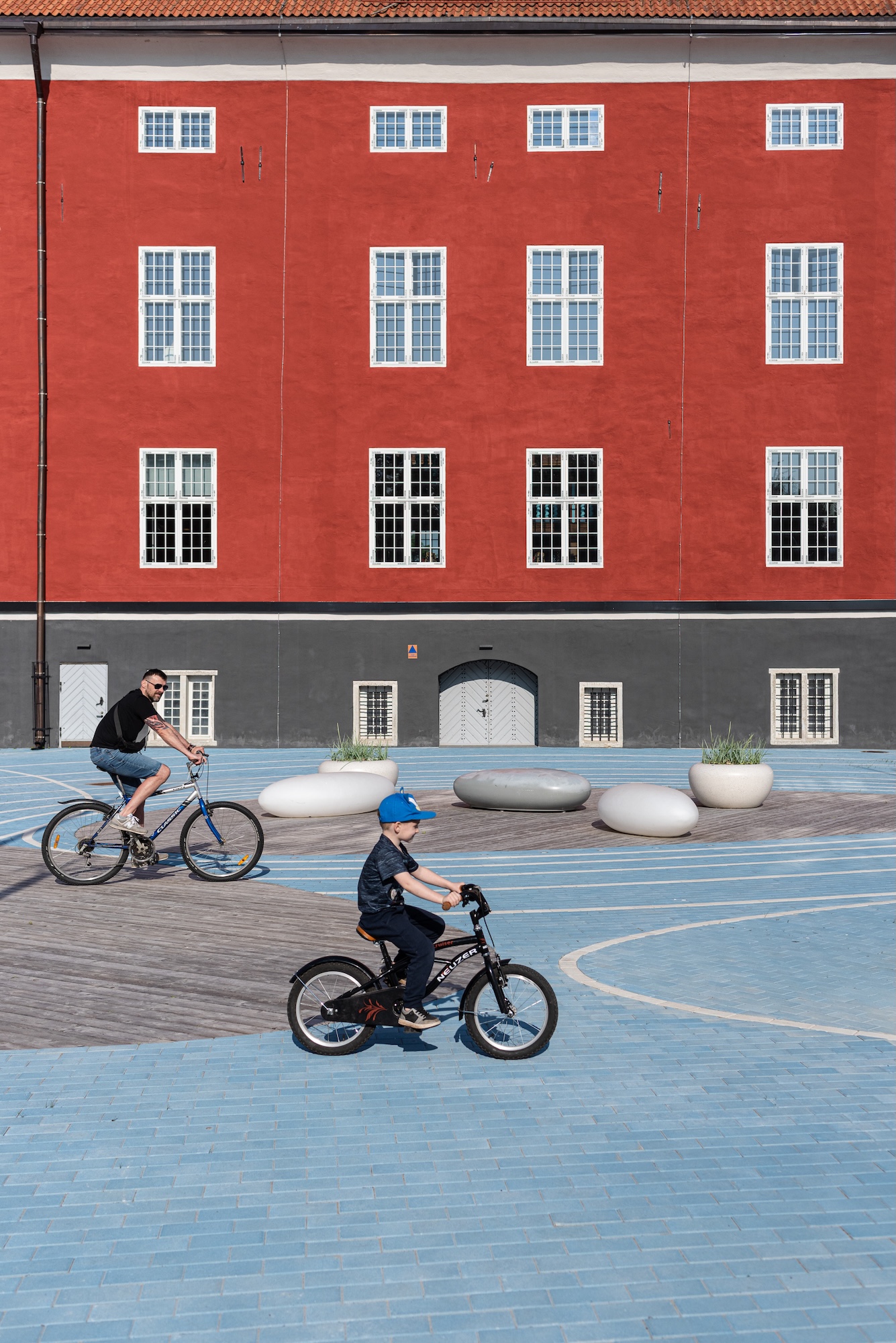
One example is Stockholm Square, located behind the Town Hall. To many local residents, it feels like a historic place, but in reality it is a contemporary public square built on the site of the destroyed Old Town. The competition was won by the Estonian architecture practice KOKO. Rather than recreating historical scenery, we have chosen a contemporary architectural language that keeps the city’s lost layers legible. The archaeological park, which is currently under development, follows the same principle: the green space remains open, views towards the river are preserved, and the historic city buried beneath the ground is not built over but acknowledged as Narva’s archaeological memory.
Nadin Heinich: With the completion of the University of Tartu Narva College in 2012, the city attracted international attention for the first time since Estonia regained its independence as a place of contemporary architecture. Was that a turning point in urban planning?
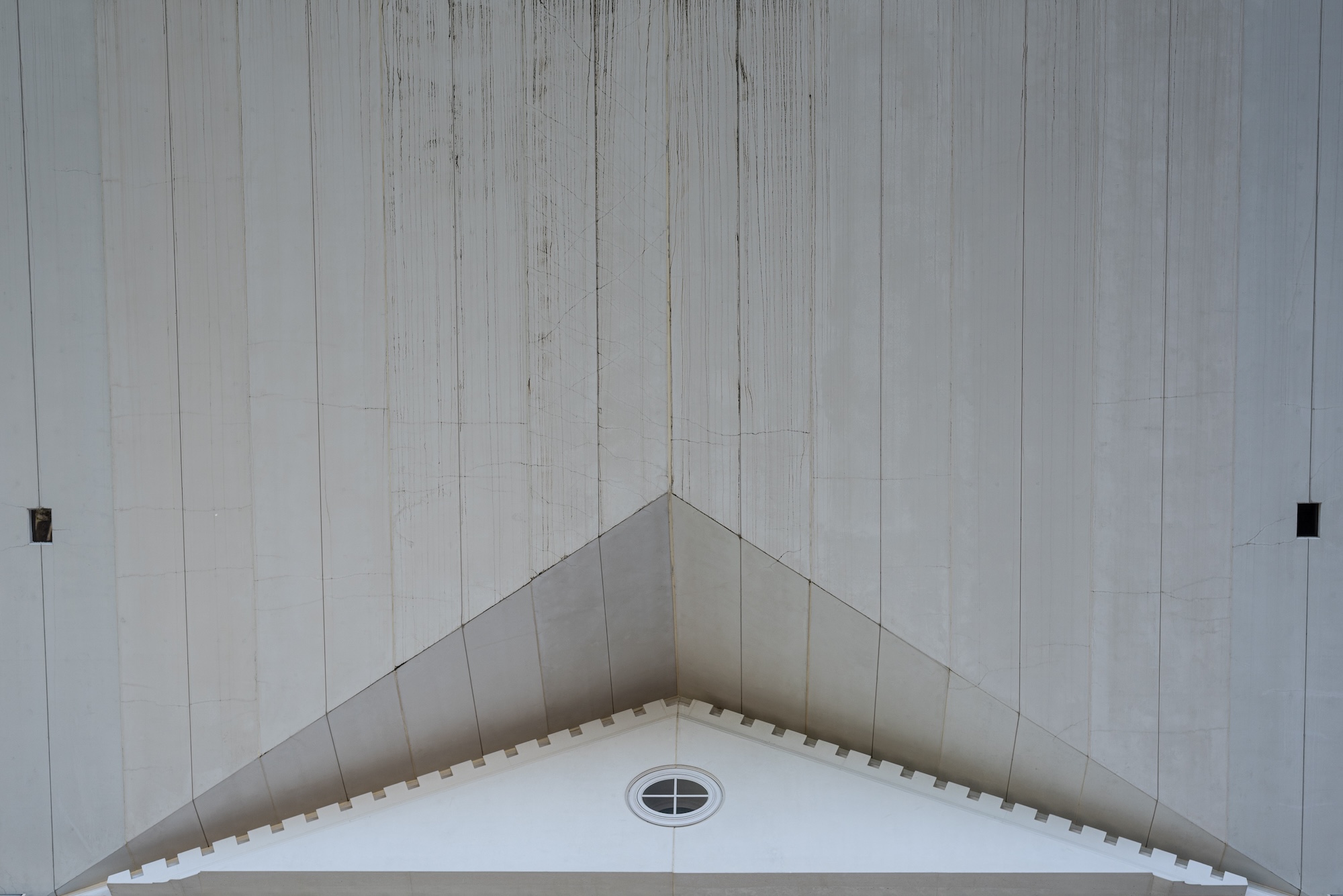
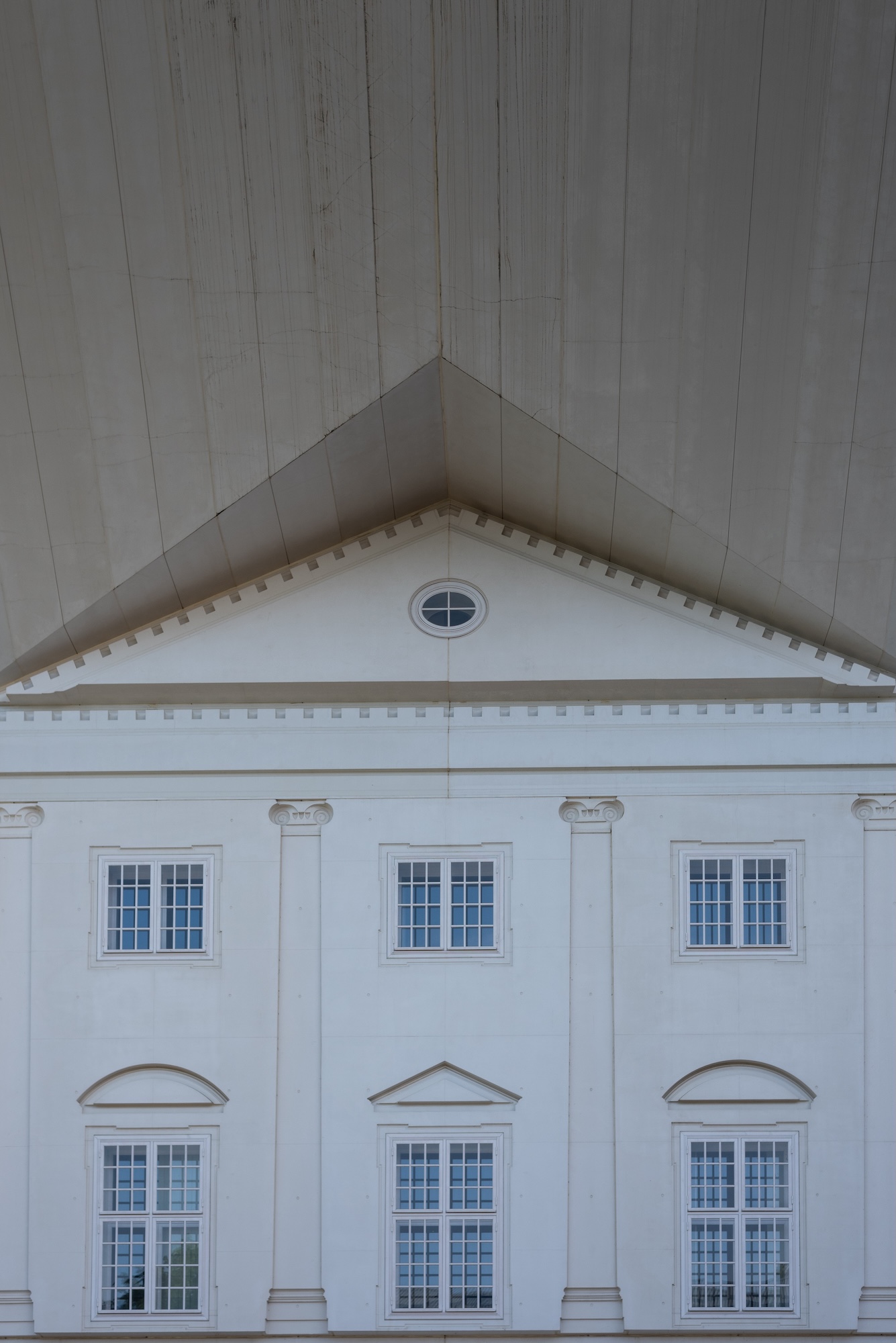
Peeter Tambu: After the war, only the basement of the former Stock Exchange building remained. The competition therefore posed a delicate challenge: the historic volume had to become legible once again without obscuring the façade of the Town Hall. The solution was the new Narva College building, which does not reconstruct the former Stock Exchange but instead marks its absence. The surviving vaulted cellars were incorporated into the new building.
This principle is fundamental to our approach. We are not interested in creating historical replicas. Instead, we seek contemporary architecture that respects the historic street pattern and the original building volumes. The same approach will guide the development of the neighbouring blocks around the Town Hall, where the aim is to make the spatial structure of the old town legible once again while building for the present.
Nadin Heinich: How is Narva responding to urban shrinkage? Do you expect this process to continue?
Peeter Tambu: Yes, we do. Narva is still losing around 900 residents every year. At its peak, the city had more than 80,000 inhabitants; today, that number has fallen to just over 52,000. That is why we no longer plan for growth, but for concentration. Public investment is directed strategically towards the city centre and the riverfront. For the first time, the new master plan identifies a priority development area. The idea is straightforward: no more vacant sites on the periphery, but greater urban density at the centre.
During the Soviet era, Narva was an industrial and workers’ city, shaped by Kreenholm, the power plants, and the metalworking industry. That industrial DNA has not disappeared, but it no longer sustains the city in the same way. Rather than pursuing expansion, Narva’s urban strategy focuses on making more precise use of its existing urban fabric. New impulses—such as the permanent magnet plant opened by Neo Performance Materials in September 2025—do not fundamentally change this approach. The central challenge remains the same: to reorganise the shrinking city in a way that restores the importance of its historic centre.
Nadin Heinich: Are there any plans for Kreenholm, once the city’s largest employer?
Peeter Tambu: Today, Kreenholm is owned by Narva Gate OÜ, a company backed by the Swedish investment groups Gabrielsson Invest AB and CA Fastigheter AB. In 2021, the Manufaktuur project was added to Estonia’s list of nationally significant cultural buildings. The aim is not to redevelop the entire former spinning and weaving complex at once, but to transform the old spinning mill—around 20,000 square metres—in stages for cultural and public use.
When these plans were first conceived, the border was far more open and St Petersburg played a much larger role in the project’s outlook. That context no longer exists. Since 2014—and even more so since 2022—Kreenholm has to be understood differently: not as a fast-moving development opportunity, but as a long-term project that will evolve through successive cultural interventions.
Text: Nadin Heinich (plan A)
Photography: Heinrich Völkel (Ostkreuz)
